
Baby Yoda (aka Grogu)

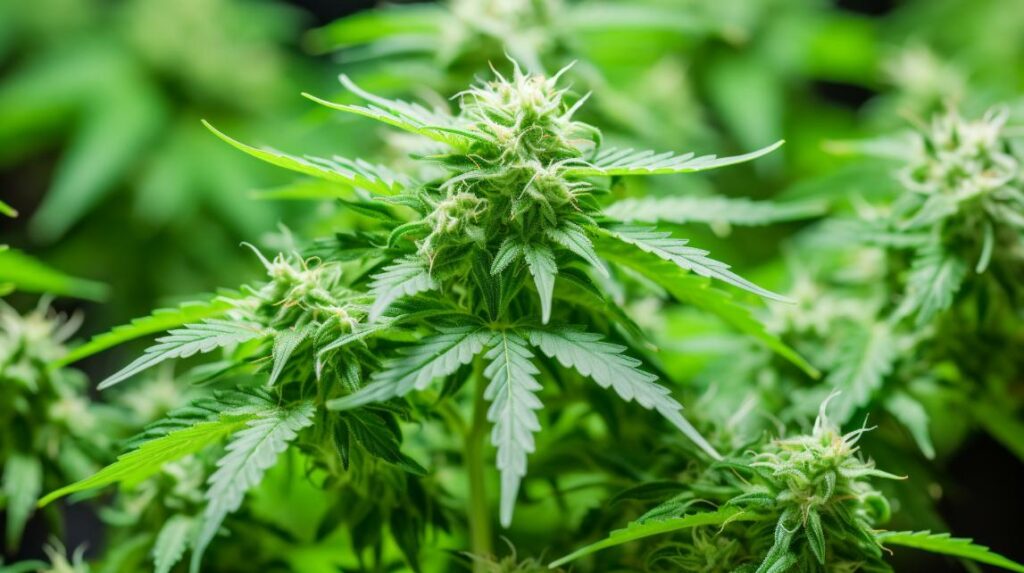
The cannabis industry is ever-evolving, with new strains emerging that capture both the imagination and the palates of connoisseurs. Among these, the Baby Yoda Strain has garnered attention, not only for its whimsical name that resonates with pop culture enthusiasts but also for its distinctive genetic composition.
A crossbreed of Khalifa Kush and The Menthol, this hybrid strain boasts a complex terpene profile and a high THC content that promises a multifaceted experience. Enthusiasts praise its nuanced flavors and the balance it strikes between cerebral and physical effects, suggesting a versatility that could appeal to both recreational and medicinal users.
As we examine the attributes that make the Baby Yoda Strain a subject of interest within the cannabis community, questions arise about its potential applications and the science behind its unique characteristics, inviting a closer look at what sets this strain apart in a saturated market.
Genetic Lineage
The Baby Yoda strain boasts a distinctive genetic lineage, derived from the crossing of Khalifa Kush and The Menthol, which imparts its unique set of characteristics and potential benefits. This innovative hybrid strain emerges from the expertise of Compound Genetics, a renowned breeder known for developing unique cannabis varieties. By combining the pungent, citrusy profile of Khalifa Kush with the cool, refreshing notes of The Menthol, the Baby Yoda strain exhibits a complex flavor profile that appeals to a wide array of palates.
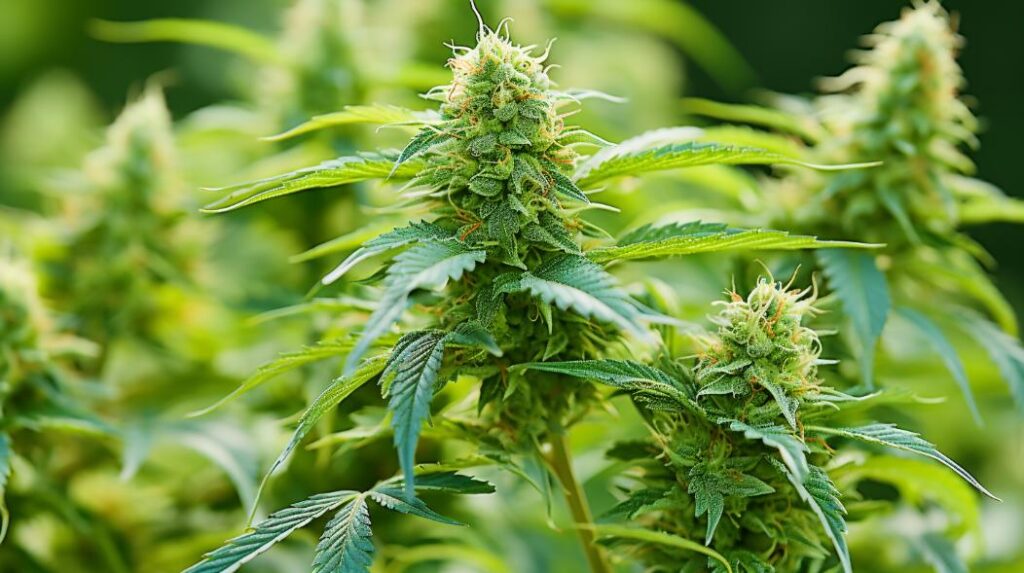
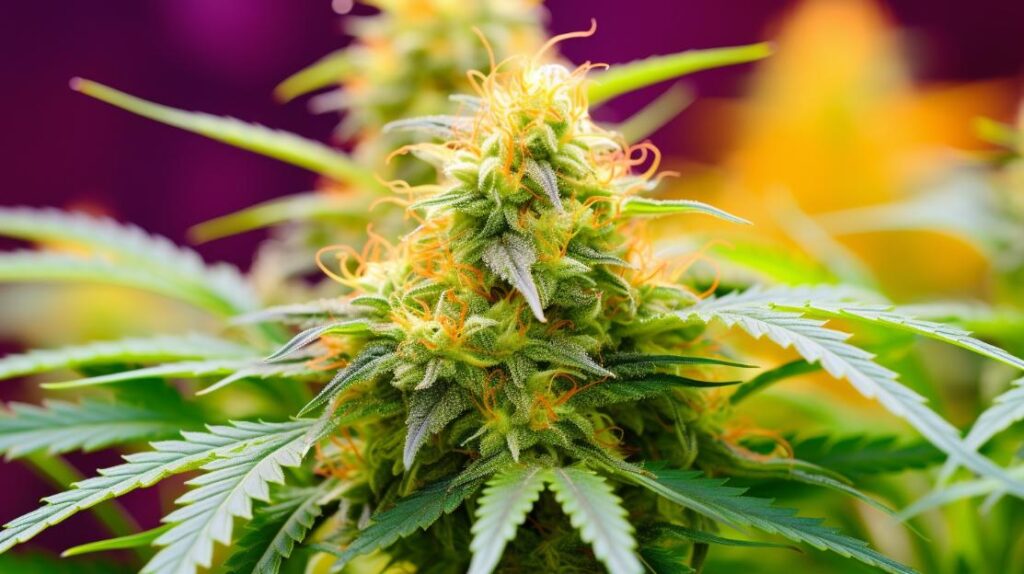
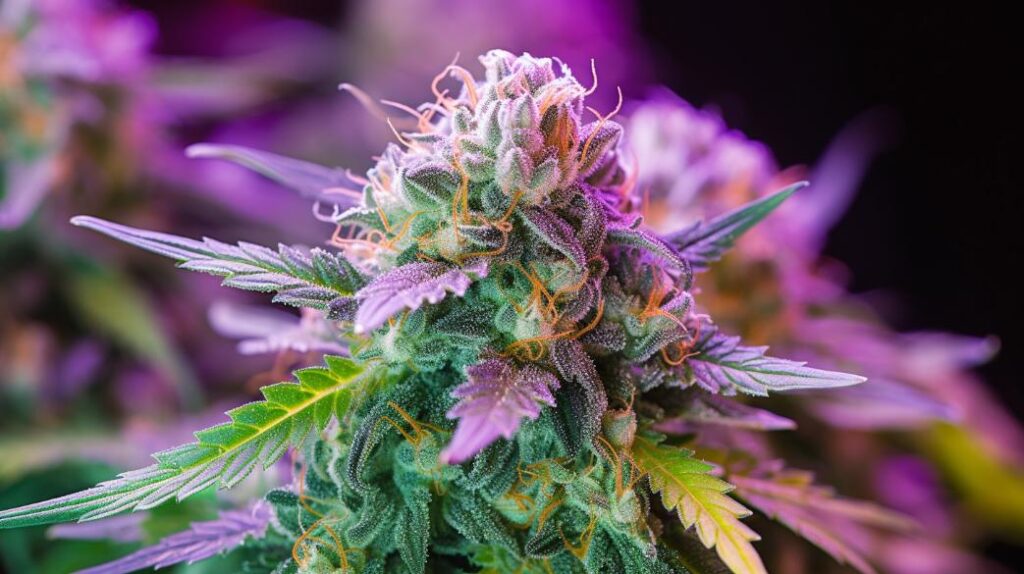
The bright, swampy green buds of Baby Yoda, adorned with vibrant orange hairs and a generous dusting of golden trichomes, are a visual testament to its rich genetic heritage. The strain’s appearance not only entices the senses but also offers a clue to the potential potency encapsulated within.
Understanding this genetic lineage is crucial for both consumers and cultivators. It allows connoisseurs to anticipate the strain’s effects and medical applications, while growers can tailor their cultivation techniques to suit the specific needs of this hybrid strain. Furthermore, by tracing the Khalifa Kush x The Menthol heritage, one can explore a family tree of cannabis strains, predicting qualities and effects based on shared genetics from the catalog of Compound Genetics.
THC/CBD Content
With a THC concentration hovering around 24%, the Baby Yoda strain is notable for its robust psychoactive potency and minimal CBD presence. This particular cannabis strain has garnered attention in the cannabis community for its high THC levels, which are primarily responsible for the strain’s strong euphoric and mind-altering experiences. The low CBD content in the Baby Yoda strain further accentuates these psychoactive effects, catering to users seeking a pronounced cerebral high.
The THC/CBD content ratio is a critical factor for consumers to consider, as it influences the overall effect profile of the strain. While the Baby Yoda strain’s THC content is consistently around 24%, it underscores the likelihood of potent psychoactive outcomes. The dominant terpenes, myrcene and caryophyllene, not only contribute to the strain’s distinctive aroma but also potentially complement the strain’s overall effects.
Connoisseurs and enthusiasts of Baby Yoda Strains appreciate the clear focus on delivering a powerful THC-driven experience. The emphasis on THC over CBD makes this strain a less suitable choice for those seeking the therapeutic and non-intoxicating benefits typically associated with higher CBD strains. Instead, Baby Yoda caters to a niche audience that prioritizes potency and a deep, immersive psychoactive journey.
Terpene Profile
Delving into the terpene profile of the Baby Yoda strain, myrcene and caryophyllene emerge as the predominant compounds, shaping the strain’s unique aromatic essence and influencing its potential therapeutic effects. Terpenes, the aromatic compounds found in cannabis, play a critical role in defining the character and benefits of different strains.
The earthy and musky aroma characteristic of myrcene is not just a sensory hallmark but also suggests sedative properties that might appeal to users seeking relaxation.
Caryophyllene, on the other hand, brings a spicy and peppery scent to the Baby Yoda strain. Beyond its olfactory contribution, caryophyllene is reputed for its anti-inflammatory and calming effects, potentially beneficial for those looking to alleviate physical discomfort or stress. The synergy between these terpenes could enhance the overall impact of the strain, a phenomenon known as the entourage effect.
Understanding the terpene profile is indispensable for both connoisseurs and medical patients. It allows for a more informed selection process based on the desired flavor, aroma, and therapeutic outcome.
In the case of the Baby Yoda strain, the interplay between myrcene and caryophyllene offers a glimpse into its potential as a soothing agent within the diverse world of cannabis strains.
Effects
Experiencing the Baby Yoda strain typically begins with a gentle tingle in the head and neck area, setting the stage for its calming and mood-elevating effects. This particular strain is known for its gradual onset, allowing users to acclimate to the initial sensations before fully embracing the range of effects it offers.
As the experience unfolds, individuals may find themselves enveloped in a state of increased sociability, often feeling talkative, giggly, and in some cases, even aroused. These effects contribute to the strain’s reputation for being an effective social lubricant.
However, while the Baby Yoda strain can induce a sense of euphoria and relaxation, it’s not without its potential drawbacks. Common side effects include dry eyes and dry mouth, sensations that are frequently reported among various cannabis strains. More so, its sedative qualities may lead to drowsiness, making it a strain best used during downtime.
Those seeking medical relief may find solace in this strain’s ability to alleviate symptoms associated with anxiety, stress, and depression. Nonetheless, it’s imperative to consult a health professional before utilizing the Baby Yoda strain for medical purposes, as its effects can vary from person to person.
When used responsibly, this strain can offer a unique combination of therapeutic benefits and pleasurable sensations.
Medical Uses
Utilizing the Baby Yoda strain for its therapeutic properties, many individuals report significant relief from chronic stress, anxiety, and depression. This particular cannabis variety, with its average THC level of 23-25%, offers potential medicinal benefits that are garnering attention in the realm of natural health alternatives. However, it is crucial to consult with a health professional before using the Baby Yoda strain or any form of cannabis for medical purposes.
When considering using cannabis for a medical condition, it’s important to be informed about its potential applications. The Baby Yoda strain is noted for:
- Providing a sense of calm and relaxation, which may be beneficial for those dealing with high levels of stress or anxiety.
- Easing depressive symptoms by uplifting mood and fostering a positive mental state.
- Alleviating pain, including headaches or migraines, through its anti-inflammatory properties.
- Promoting better sleep quality for individuals suffering from insomnia or other sleep-related issues.
Remember that self-medicating with cannabis can carry risks, and seeking professional medical advice is essential to ensure safety and appropriate use. Each individual’s response to the Baby Yoda strain may vary, and a tailored approach under medical supervision is advised.
Flavor and Aroma
The Baby Yoda strain tantalizes the palate with a spicy diesel flavor complemented by earthy and woody pine aromas, offering cannabis connoisseurs a unique and delightful sensory journey. Its distinctive taste profile, featuring undertones reminiscent of tobacco and pepper, sets it apart from other strains with similar effects. The presence of golden-amber crystal trichomes not only adds to the aesthetic appeal of the Baby Yoda strain but also enhances the overall flavor experience, making it a standout choice for both recreational and cannabis for medical purposes.
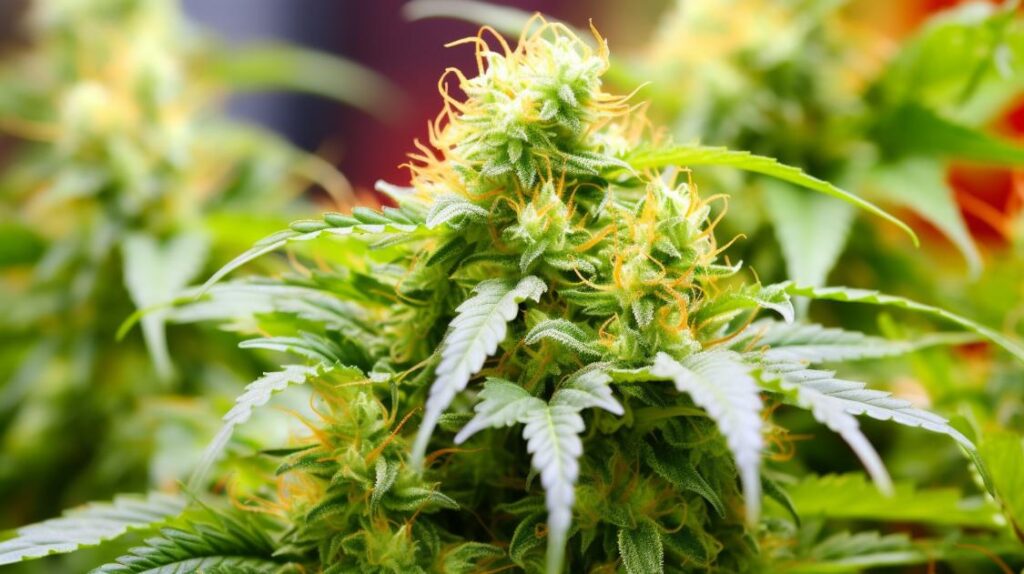
The rich aromatic presence in the Baby Yoda strain is further accentuated by its visual appeal, marked by vibrant orange hairs that stand out against the backdrop of dense green buds. This combination of exceptional flavors and aromas contributes to its popularity and widespread availability, ensuring that those with a penchant for unique cannabis experiences can readily find it in dispensaries.
The Baby Yoda strain’s sensorial profile is not only a treat for the taste buds but also an invitation to indulge in a cannabis journey that is both comforting and familiar yet intriguingly novel.
Appearance
With its eye-catching bright green buds adorned with vibrant orange hairs and a glittering coat of golden trichomes, the Baby Yoda strain boasts a visual allure that captivates cannabis enthusiasts. The appearance of this strain is not only a feast for the eyes but also a testament to the high-quality genetics and meticulous cultivation practices that go into the production of these premium Cannabis Seeds.
Key aspects of the Baby Yoda strain’s appearance include:
-
Vivid Coloration: The buds exhibit a swampy, neon green hue that instantly grabs attention, paired with fiery orange pistils that add contrast.
-
Dense Structure: Each nug is chunky and dense, shaped like a spade, showcasing the robustness of the strain.
-
Resinous Coating: The surface of the buds is lavishly covered in resin, indicative of the strain’s potency and appeal.
-
Trichome Richness: A notable presence of golden-amber crystal trichomes gives the Baby Yoda strain a sparkling finish, further enhancing its aesthetic value.
The unique and distinctive appearance of the Baby Yoda strain is a hallmark of its allure, making it a distinguished variety among a sea of cannabis options. Its striking visual characteristics reflect the careful attention to detail that cultivators pay to produce a visually stunning and potent product.
Grow Information
Building on the alluring aesthetic qualities of the Baby Yoda strain, successful cultivation is key to achieving its remarkable visual and potent characteristics. This indica-dominant hybrid, a progeny of Khalifa Kush x unknown strain, is known for its ease of growth and resilience. With the right grow information, cultivators can nurture this plant to its full potential, ensuring that dispensaries near and far boast a product that is both eye-catching and effective.
For enthusiasts looking to grow Baby Yoda, here is a concise table summarizing crucial information:
| Aspect | Detail | Recommendations |
|---|---|---|
| Growth Environment | Indoors/Outdoors/Greenhouse | Ensure adequate space |
| Flowering Time | ~63 days | Monitor and adjust conditions |
| Temperature | Day: 68-77°F / Night: 64-68°F | Maintain stable climate |
| Light Cycle | Veg: 18/6, Flower: 12/12 (hours) | Adhere to light schedules |
| Availability | Clone-only | Source from reputable suppliers |
While the strain is available only as a clone, this ensures a consistent quality and genetic profile. Cultivators should pay attention to providing high-quality soil and nutrients, and to maintaining optimal temperatures and light cycles for vigorous growth. With the correct approach, the Baby Yoda strain can flourish, eventually finding its way to dispensaries near those seeking its unique effects.
Adverse Effects
Despite its popularity among cannabis enthusiasts, the Baby Yoda strain can induce certain adverse effects, such as dry eyes and mouth, which are commonly reported by its users. When using any cannabis product, it’s crucial to be mindful of the potential health implications, including the less desired outcomes. Here are some adverse effects that may occur with the Baby Yoda strain:
-
Dry Eyes: A significant number of users experience dryness in their eyes, necessitating the use of lubricating eye drops to alleviate discomfort.
-
Dry Mouth: Also known as ‘cottonmouth,’ this is a typical reaction to cannabis, and staying hydrated can help mitigate this effect.
-
Dizziness: While less frequent, some individuals may feel dizzy or lightheaded post-consumption, which usually resolves by resting and reducing the dosage.
-
Anxiety or Paranoia: In a few cases, especially with overuse, users might encounter feelings of heightened anxiety or paranoia, suggesting that starting with a lower dose could be prudent for those new to the strain.
Understanding the potential adverse effects of the Baby Yoda strain is vital for responsible consumption and maintaining one’s health. Always use cannabis strains in moderation, and pay attention to how your body reacts to different products.
Comparisons with Similar Strains
Exploring strains akin to Baby Yoda, cannabis aficionados might consider the similarly potent and therapeutically beneficial Ghost OG and Gorilla Glue #4 for alternative experiences. These strains offer a rich palette of effects and benefits that mirror the high-THC profile and therapeutic potential for relief from chronic pain, inflammation, and anxiety, much like Baby Yoda’s reputed impact. For those seeking a serene and calming high, with similar effects to Baby Yoda, these strains could be ideal substitutions.
To help cannabis enthusiasts discern which strain might best suit their needs, a comparison table is provided below:
| Strain | Effects | Therapeutic Benefits |
|---|---|---|
| Baby Yoda | Relaxing, euphoric, sedative | Pain relief, anti-inflammation |
| Ghost OG | Strong cerebral effects, relaxing | Stress relief, pain management |
| Gorilla Glue #4 | Heavy-hitting, couch-lock | Insomnia relief, anxiety aid |
Each strain has a unique flavor profile that may appeal to those who enjoy the spicy, woody, and earthy notes of Baby Yoda. For instance, Ghost OG often carries a citrusy, pine flavor, while Gorilla Glue #4 exhibits a more pungent, earthy taste with hints of diesel.
Connect with local dispensaries or use online platforms to compare the availability of these strains. Whether you’re a fan of Kush varieties or strains like The Menthal, exploring these options can lead to discovering new favorites with similar attributes to Baby Yoda.
Research and Studies
Scientific investigation into the Baby Yoda strain has shed light on its distinctive cannabinoid profile and potential therapeutic effects. As a derivative of the Khalifa Kush lineage, this strain has been the subject of attention for both its unique name and the promising applications it may have for individuals with chronic conditions.
Recent research and studies have focused on several key aspects of the Baby Yoda strain:
-
Cannabinoid Concentration: Analysis has revealed a high THC content, which may contribute to its potency and effectiveness for pain relief.
-
Terpene Profile: The presence of specific terpenes is believed to influence the strain’s aroma and may also play a role in its therapeutic properties, including stress reduction and relaxation.
-
Genetic Stability: Crossbreeding with the Khalifa Kush x has resulted in a genetically stable strain, ensuring consistent effects for users.
-
Medical Application: Ongoing clinical studies are examining the potential for the Baby Yoda strain to alleviate symptoms of chronic conditions, such as anxiety and insomnia, without significant adverse effects.
As the scientific community continues to explore the intricacies of cannabis strains like Baby Yoda, the importance of rigorous research becomes increasingly apparent in understanding their full potential.
History and Origin
How did the Baby Yoda strain emerge as a distinctive player in the cannabis industry?
The story begins with the strategic crossing of two renowned strains: Khalifa Kush and The Menthol. Each with its own elite genetics, the former is a potent descendant of OG Kush, while the latter is an indica-dominant hybrid.
This deliberate hybridization created Baby Yoda, a strain that quickly distinguished itself through its potent effects and a flavor profile that captivated the palates of cannabis connoisseurs.
Khalifa Kush x The Menthol combination yielded a product that resonated with real people, offering a blend of therapeutic and recreational appeal. Its high THC content and potential medicinal benefits garnered attention, marking Baby Yoda as a memorable strain in the market.
Growing Baby Yoda is an art in itself, requiring cultivators to maintain precise environmental conditions and provide meticulous care. This dedication to quality cultivation is reflected in the strain’s consistent potency and effectiveness, cementing Baby Yoda’s reputation.
The strain’s journey from a mere crossing of Khalifa Kush and The Menthol to a beloved staple in the cannabis community is a testament to the innovation and expertise of breeders in the industry.
Frequently Asked Questions
Is Baby Yoda Indica or Sativa?
Baby Yoda is predominantly an indica strain with a genetic composition of 70% indica and 30% sativa, resulting from the cultivation and lineage of Khalifa Kush and The Menthol strains.
What Is the Hardest Indica Strain?
The hardest indica strain exemplifies notable cultivation challenges but offers considerable sleep aid potential when compared to other medical strains, distinguished by its profound sedative properties and robust therapeutic efficacy.
What Does Yoda Taste Like?
In the realm of galactic cuisine fictions, Yoda’s flavor profile is unrecorded, diverging from Jedi dietary habits which are seldom explored in narratives, leaving taste speculation to the imagination of enthusiasts.
Is Jedi a Sativa or Indica?
Jedi, a hybrid with distinct genetics, leans towards indica with a 70:30 ratio. Cultivation challenges are moderate, but its unique properties make it a favorable strain comparison to its parentage.

Responses