
Deep Breath

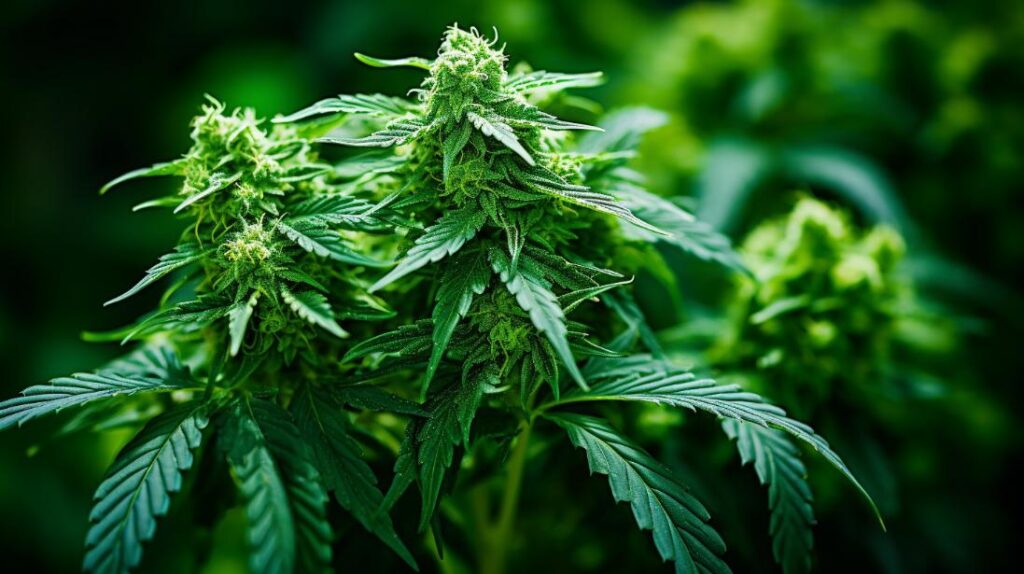
The Deep Breath strain, meticulously engineered by Baked Beanz, is a balanced hybrid deriving from Alien Breath, POGO, Berry Breath, GG4, and Mendo Breath. This genetic amalgamation promises an invigorating mental high balanced with profound relaxation, making it effective against depression, chronic pain, stress, and muscle spasms. With a THC content ranging between 18% to 20%, it strikes a 50/50 indica-sativa balance. Its complex aroma merges astringent chemicals with berries, while terpenes like Caryophyllene and Limonene enhance its therapeutic efficacy. Cultivation requires precise care, flourishing in warm, Mediterranean-like environments. Exploring its nuanced profile reveals a multifaceted approach to cannabis breeding and therapeutic application.
Genetic Lineage
The Profound Inhale strain emerges as an intricate hybrid, meticulously engineered through the genetic amalgamation of Alien Breath, POGO, Berry Breath, GG4, and Mendo Breath, showcasing a rich heritage of aroma, potency, and effect. Bred by the renowned Baked Beanz, this strain stands out for its unique genetic blueprint, which combines the best traits of its ancestors. The inclusion of Mendo Breath, a well-known variety for its sweet, earthy notes and profound relaxation effects, plays a pivotal role in shaping the Profound Inhale’s characteristic warm body highs and its nuanced flavor profile.
The strain’s aroma, a distinctive blend of astringent chemicals and berries, owes much to its diverse lineage. From the pungency of GG4 to the fruity undertones of Berry Breath, each genetic contributor adds layers to its complex bouquet. The flowering cycle, spanning 8-9 weeks, reflects a carefully balanced growth pattern, indicative of its breeders’ expertise in creating a harmoniously blended hybrid. Essentially, Profound Inhale encapsulates the essence of its genetic heritage, offering a sophisticated experience highlighted by sweetness, potency, and a deeply satisfying pungency inherited from the legendary Mendo Breath.
THC/CBD Content
Exploring further the characteristics of Deep Breath, its THC content ranges from 18% to 20%, positioning it as a strain with moderate to high potency. As a hybrid, bearing a balanced mix of 50% indica and 50% sativa, Deep Breath exemplifies the equilibrium sought after by many cannabis enthusiasts. This balanced genetic composition contributes to its wide-ranging effects, which include an invigorating mental high, enhanced sociability, bursts of creativity, alongside profound relaxation and notable pain relief properties.
The hybrid nature of Deep Breath, with its significant THC concentration, makes it particularly effective in treating a variety of conditions. Its therapeutic applications are diverse, ranging from alleviating symptoms of depression to managing chronic pain, mood swings, stress, and muscle spasms. This versatility is partly attributed to its THC content, which plays a pivotal role in its efficacy.
Moreover, the THC level in Deep Breath not only underpins its therapeutic benefits but also contributes to its sensory experience. The strain’s sweet cherry berry flavor, accentuated with hints of sourness, alongside its chemical-spicy aroma, is enhanced by its potent THC profile, making it a preferred choice for both medicinal and recreational users seeking a balanced hybrid experience.
Terpene Profile
Exploring the terpene profile of the Deep Breath strain reveals a rich tapestry of aromas and potential therapeutic benefits, underscored by dominant terpenes such as Caryophyllene and Limonene. Caryophyllene, a bicyclic sesquiterpene, is notable for its distinctive aromas of pepper, cinnamon, and wood. This terpene is unique among its counterparts for its ability to interact with the endocannabinoid system, particularly the CB2 receptors, thereby promoting a healthy inflammation response and offering stress relief without psychoactive effects. Its presence in the Deep Breath strain suggests potential for soothing both mind and body.
Limonene, on the other hand, introduces a bright, citrusy contrast with its lemon and orange scents, contributing to the strain’s ability to uplift mood and provide stress relief. This monoterpenoid is known for its therapeutic properties, including anti-anxiety and antidepressant effects, which complement the benefits of Caryophyllene.
The synergy between Caryophyllene and Limonene in the Deep Breath strain not only enhances the overall sensory experience but also offers a unique blend of potential therapeutic benefits. Understanding this terpene profile allows users to select the Deep Breath strain with more informed expectations regarding its effects and aromatic qualities.
Effects
Exploring the impacts of the Deep Breath strain reveals a multifaceted experience, blending an invigorating mental uplift with enhanced sociability and creative bursts, alongside notable relaxation and pain alleviation. As a hybrid with a balanced 50% indica and 50% sativa composition, Deep Breath presents a unique balance between stimulation and calmness. The THC content, ranging from 18% to 20%, supports its potent effects, which are both cerebral and physical.
Users report an energizing mental high that ignites creativity and improves sociability, making it suitable for engaging in artistic pursuits or social gatherings. This initial surge of energy gradually shifts into a relaxing body high, characterized by a soothing sensation that spreads throughout the body. This relaxation does not lead to lethargy but rather maintains a comfortable state of alertness and well-being.
The interplay between the invigorating cerebral effects and the relaxing body high of Deep Breath makes it a versatile strain. Its ability to alleviate pain while uplifting mood and promoting social interaction showcases the complexity of its effects profile. The strain’s sweet cherry berry flavor, with hints of sourness and a chemical-spicy aroma, contributes to the overall sensory experience, making Deep Breath a distinguished choice among connoisseurs and casual users alike.
Medical Uses
Exploring the medical applications of the Deep Breath strain reveals its efficacy in addressing conditions such as depression, chronic pain, mood swings, stress, and muscle spasms. This strain, with a THC content ranging from 18%-20%, is derived from potent parent strains, including the renowned Gorilla Glue. Its unique composition offers an energizing mental high that contributes to its therapeutic benefits. Users report significant relief from various symptoms, underscoring its value in medical cannabis therapy.
The effectiveness of Deep Breath in the medical domain can be attributed to several factors:
- Energizing Mental High: Promotes sociability and creativity, beneficial for those suffering from depression and mood swings.
- Relaxation and Pain Relief: Offers a soothing experience, ideal for chronic pain and muscle spasm sufferers.
- Anxiety Reduction: Users feel uplifted and anxiety-free, making it a suitable option for stress management.
- Indica Strain Affinity: Positive feedback from indica strain fans highlights its versatility and broad therapeutic potential.
Flavor and Aroma
The Deep Breath strain presents a complex flavor profile characterized by a harmonious blend of sweet cherry berry nuances intermingled with subtle sour undertones, complemented by a distinct aroma featuring chemical-spicy elements. It stands out in the cannabis market for its unique sensory experience, merging the sweetness of berries with a surprising depth of flavor. The presence of diesel notes adds a robust layer, creating a balanced juxtaposition against the initial sweetness. This strain’s aroma is notably pungent, hinting at its potent effects even before consumption.
Analytically, the Deep Breath strain’s flavor and aroma composition is a testament to its hybrid genetics, offering a multifaceted sensory experience. The sweet berries profile, a recurring theme in user reports, suggests a meticulous cultivation process aimed at enhancing these desirable terpenes. The chemical-spicy aroma, on the other hand, might be indicative of its complex terpene profile, contributing not only to its distinctive smell but potentially to its therapeutic effects as well. This intricate blend of flavors and aromas, coupled with reports of its calming and relaxing properties, positions Deep Breath as a strain of interest for both recreational and medicinal users seeking a unique cannabis experience.
Appearance
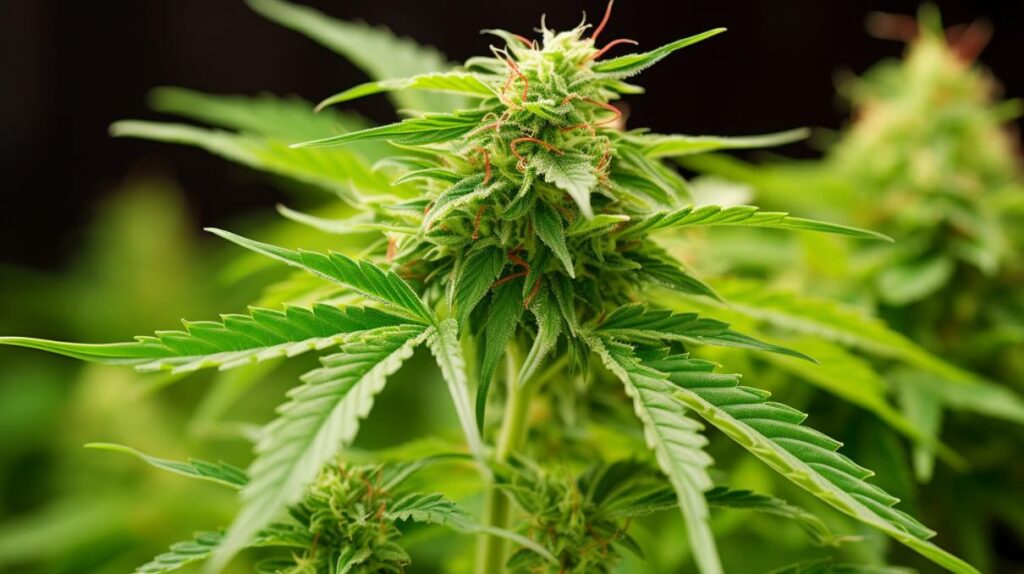
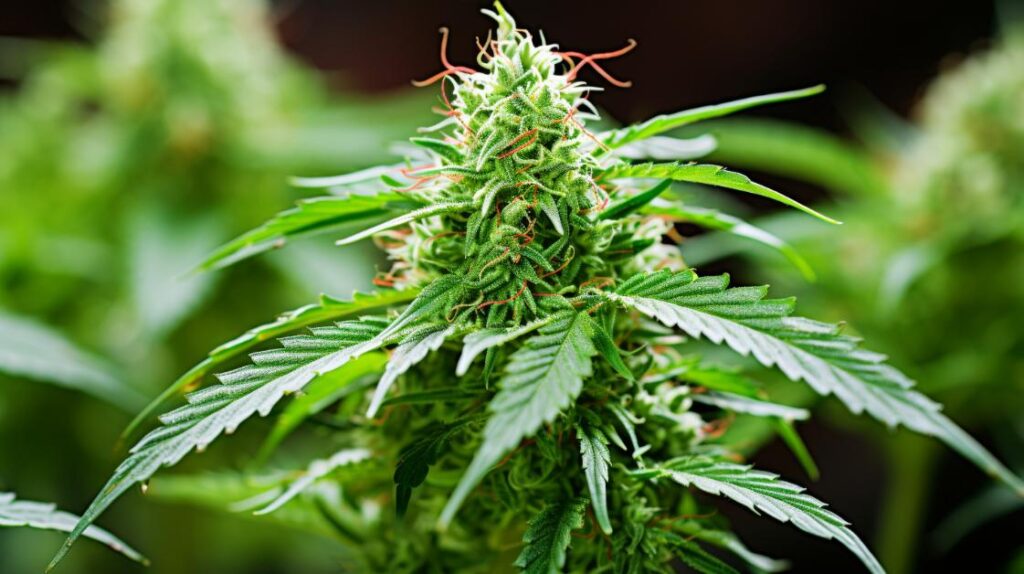
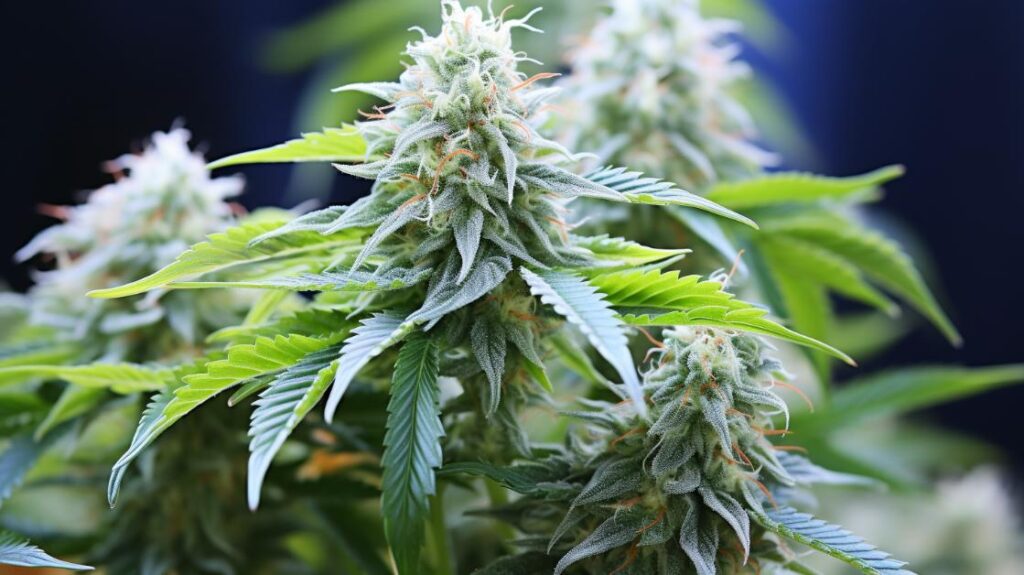
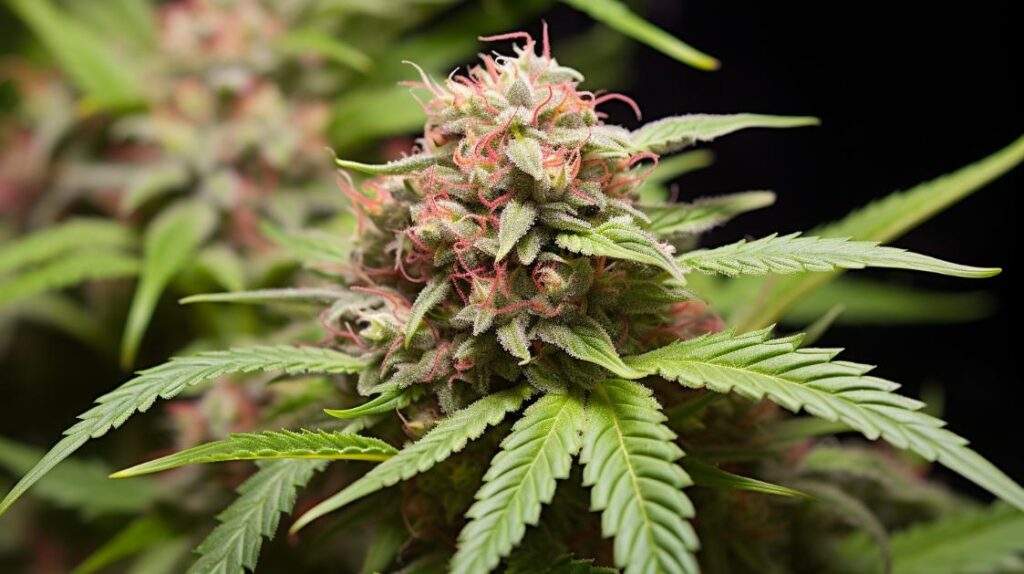
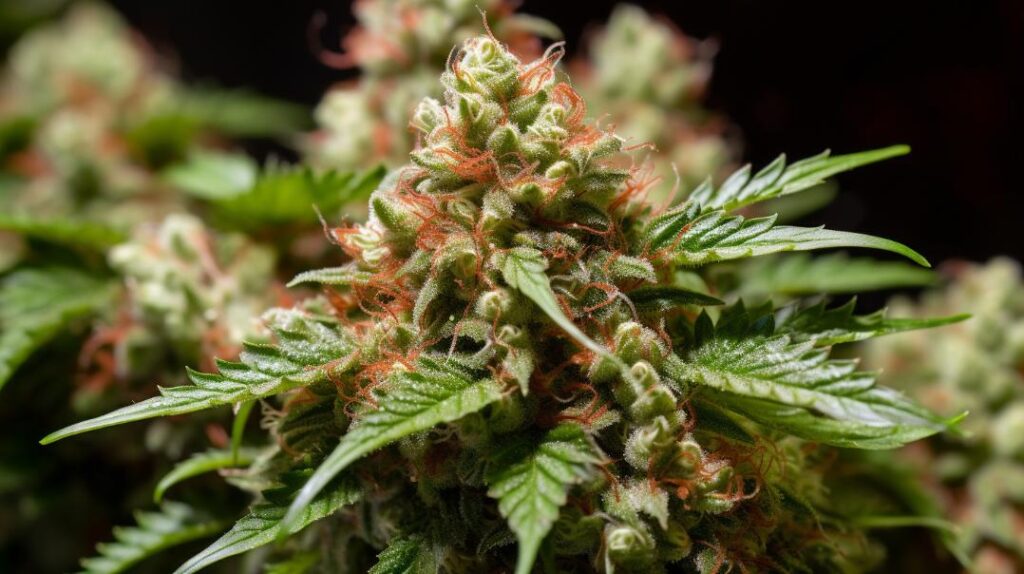
A visual inspection of the Deep Breath strain reveals densely clustered buds adorned with a vibrant tapestry of pistils, showcasing a striking balance between green and orange hues. The appearance of this balanced hybrid is distinguished by its compelling visual appeal, which is a direct result of its meticulously bred genetics. The buds are not just visually appealing but are also indicative of the strain’s potency and aromatic profile, thanks to their dense structure and pungent smell.
Deep Breath’s visual characteristics are further enhanced by its vibrant and colorful trichomes, which not only add to its aesthetic appeal but also hint at a significant resin production. This aspect is important for consumers and cultivators alike, as it suggests a rich cannabinoid and terpene profile, enhancing both the strain’s effects and its sensory experience.
- Dense, pistil-covered buds that exude a strong aroma, indicative of the strain’s potency.
- A balanced color palette of green and orange hues, reflecting the strain’s hybrid nature.
- Significant resin production, hinting at a rich cannabinoid and terpene profile.
- Vibrant and colorful trichomes, adding to the visual appeal and indicating quality.
This balanced hybrid, Deep Breath, not only captivates with its appearance but also promises an experience that is as rich and complex as its aesthetics.
Grow Information
Having examined the visual allure and potency indicators of Deep Breath, attention now turns to its cultivation specifics, revealing a strain that demands both care and expertise for best growth. This hybrid, a meticulous blend of Mendo Breath, Gorilla Glue #4, and Alien Breath genetics, showcases the complexity of its lineage in its cultivation requirements. Its THC content, ranging between 18%-20%, hints at a robust growth profile that, while rewarding, necessitates a nuanced understanding of cannabis horticulture.
Deep Breath thrives in environments that replicate the Mediterranean climate – warm, with a significant amount of light. This requirement underscores its Mendo heritage, demanding attention to lighting schedules and temperature controls to mimic the natural conditions of Mendocino, where its parent strain, Mendo Breath, originates. Growers should prepare for a medium to high maintenance journey, focusing on nutrient balance, particularly during its flowering phase, to enhance its distinctive flavor profile of sweet cherry berry with undertones of sourness and a chemical-spicy aroma.
Moreover, its therapeutic applications in treating conditions such as depression, chronic pain, and muscle spasms add a layer of significance to its cultivation. Achieving the most favorable THC levels and desired effects requires a controlled environment, where stress on the plant is minimized, and its unique genetic potential can be fully realized.
Adverse Effects
While Deep Breath strain offers notable therapeutic benefits, its consumption is not without potential adverse effects, including dizziness, anxiety, and dry mouth, as reported by a subset of users. These side effects, derived from feedback from 17 individuals who have experimented with the strain, highlight the importance of understanding and anticipating possible negative reactions prior to consumption. The presence of adverse reactions such as anxiety and dizziness, along with the commonly reported symptom of dry mouth, underscores the necessity for users to approach the use of Deep Breath strain with caution, particularly those who may be predisposed to these conditions.
Key adverse effects to be aware of include:
- Dizziness: A sensation of spinning or losing one’s balance, which may affect the user’s ability to perform tasks requiring focus and coordination.
- Anxiety: Feelings of unease, worry, or fear, which can range from mild to severe and may interfere with daily activities.
- Dry Mouth: A commonly reported condition, characterized by a decrease in saliva production, leading to discomfort and potential oral health issues.
- Potential Reactions: An encompassing term that includes any unexpected physical or psychological response to the strain, urging users to proceed with mindfulness and moderation.
Comparisons with Similar Strains
To effectively evaluate the Deep Breath strain, it is imperative to compare its characteristics with those of genetically similar strains, focusing on aspects such as genetic lineage, aroma profile, flowering cycle, potency, and effects. Deep Breath, a complex hybrid involving Alien Breath, POGO, Berry Breath, GG4, and Mendo Breath, presents a unique intersection of genetics that distinguishes it from its counterparts.
For instance, while strains like Berry Breath and Mendo Breath also exhibit fruity and earthy tones, Deep Breath uniquely combines these with a pronounced astringent chemical scent, setting it apart in aroma profile.
The flowering cycle of Deep Breath, spanning 8-9 weeks, aligns closely with that of its genetic relatives, maintaining a standard cultivar maturation period. However, its effects and potency differ significantly. Despite its robust lineage, Deep Breath is noted for its calming effects and comparatively lower THC levels, diverging from the typically higher potency found in strains like GG4.
This distinction underscores Deep Breath’s appeal to users seeking a potent aromatic experience coupled with moderate psychoactive effects, thereby carving a distinct niche within the Breath family lineage.
Research and Studies
Recent studies explore the detailed genetic composition and therapeutic potential of the Deep Breath strain, showcasing its well-rounded effects and appropriateness for various medical conditions. Originating from a hybrid combination of Mendo Breath, Gorilla Glue #4, and Alien Breath, Deep Breath offers a balanced mix of indica and sativa effects that have been meticulously analyzed for their efficacy in treating a range of symptoms, particularly chronic pain.
Key findings from research and user feedback include:
- The THC content in Deep Breath ranges between 18%-20%, which is instrumental in delivering an energizing mental high combined with creativity, relaxation, and effective pain relief.
- Deep Breath is highly recommended for treating conditions such as depression, chronic pain, mood swings, stress, and muscle spasms, highlighting its versatility and broad therapeutic scope.
- The strain features a sweet cherry berry flavor with hints of sourness, making it appealing for both medicinal and recreational users seeking a pleasant consumption experience.
- User feedback consistently rates Deep Breath at 4.8 out of 5, emphasizing its strong feelings of upliftment, relaxation, and anxiety relief, which make it particularly favored among indica enthusiasts.
This detailed analysis underlines the potential of Deep Breath as a significant contributor to the field of medical marijuana, offering promising avenues for the treatment of chronic pain among other conditions.
History and Origin
The Deep Breath strain, a potent hybrid with a complex genetic lineage, emerged as a result of meticulous breeding involving Mendo Breath, Gorilla Glue #4, and Alien Breath. This creation was aimed at combining the distinctive attributes of its parent strains to produce a hybrid strain with a balance of mental and physical effects. The resulting Deep Breath strain exhibits a THC content that ranges from 18% to 20%, positioning it on the higher end of potency within the hybrid category. This carefully engineered strain is celebrated for its multifaceted effects, including an energizing mental high, enhanced sociability, sparks of creativity, profound relaxation, and significant pain relief capabilities.
Recommended for a variety of therapeutic applications, Deep Breath is particularly effective in treating conditions such as depression, chronic pain, mood swings, stress, and muscle spasms. The sensory experience of Deep Breath is equally complex, featuring a sweet cherry berry flavor with underlying hints of sourness, complemented by a distinct chemical-spicy aroma. This fusion of flavors and aromas underscores the technical expertise and genetic knowledge applied in the development of the Deep Breath hybrid strain, marking a significant advancement in cannabis breeding practices.
Frequently Asked Questions
Is Deep Breath Indica or Sativa?
The query pertains to the classification of a cannabis strain as either indica or sativa. It is essential to note that the subject strain is a hybrid, exhibiting effects characteristic of both indica and sativa genetics.
What Is the Lineage of Deep Breath Strain?
The genetic complexity of this strain is underscored by its lineage, which includes Mendo Breath, Gorilla Glue #4, and Alien Breath, each contributing unique qualities such as sedative effects, potent hybrid characteristics, and rich flavor profiles.
Is Runtz Breath Strain Indica or Sativa?
The Runtz Breath strain is a slightly indica-dominant hybrid, offering a balanced blend of strain effects that include relaxation, mental clarity, and euphoria. Its indica heritage primarily influences its relaxation and stress relief properties.
Is God’s Breath a Sativa or Indica?
God’s Breath is an indica-dominant hybrid strain. Known for its sedative strain effects, it promotes relaxation, euphoria, and stress relief, making it ideal for evening use. This strain is a cross between God Bud and Mendo Breath.

Responses