
Guava

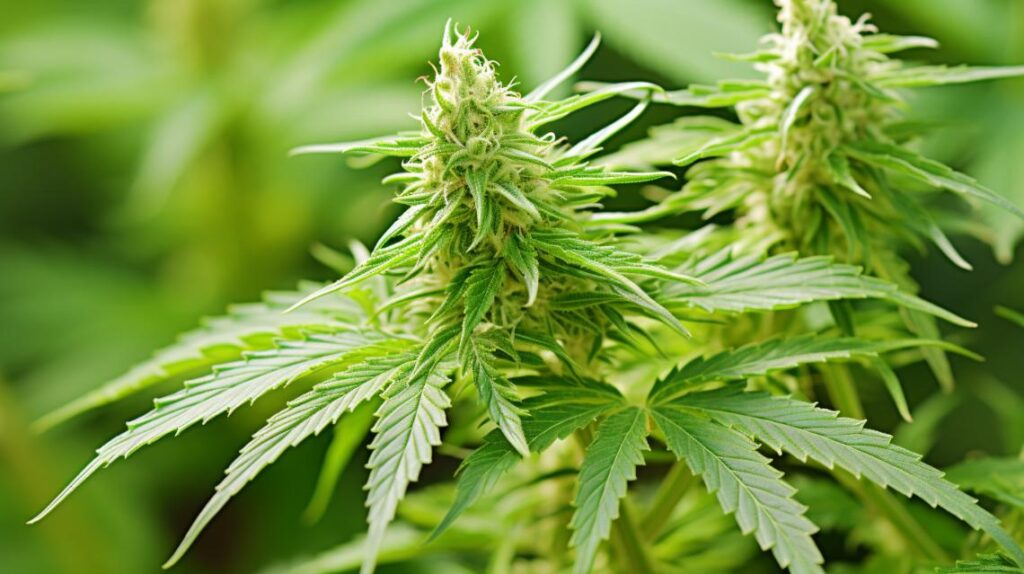
In recent years, the Guava Weed Strain has garnered attention within the cannabis industry for its unique blend of tropical flavor and relaxing effects.
As a product of genetic crossbreeding between the robust Stardawg and a traditional Afghani indica, Guava presents a remarkable case study in the meticulous cultivation practices aimed at achieving a specific user experience.
Characterized by its sweet and fruity aroma, the strain’s complex terpene profile suggests more than a mere sensory indulgence—it hints at a nuanced synergy between its components, potentially contributing to its reported therapeutic benefits.
While enthusiasts praise its ability to enhance focus and calm, the strain’s relatively high THC content, often reaching 21%, calls for a discussion on its suitability for various consumers.
As we examine the multifaceted nature of the Guava Weed Strain, one might ponder the implications of its rising popularity and the potential it holds within both recreational and medicinal contexts.
Genetic Lineage
The Guava weed strain, renowned for its unique flavor profile and effects, is a hybrid cultivar that emerges from the crossbreeding of two distinct parent strains, Guava Kush and another unidentified strain, contributing to its complex genetic makeup. This combination has resulted in a strain that is celebrated for its balanced attributes, inheriting a blend of sativa and indica characteristics. The precise heritage of Guava remains partly shrouded in mystery due to the unidentified parent, which adds a certain enigma to its background.
Analytically examining the Guava strain’s lineage, it is evident that the known parent, Guava Kush, is itself a derivative of the classic OG Kush, a strain famed for its potent effects and robust flavor. The unknown genetic contributor is speculated to add to the diversity of the terpene profile and the modulating effects, which may account for the Guava strain’s particular appeal among connoisseurs and patients alike.
Consumers seeking to explore the Guava strain may find options for products near them in dispensaries where such hybrid strains are appreciated for their nuanced effects. The availability of Guava strain products near consumers is subject to regional cannabis laws and market availability, which influences its accessibility to aficionados of unique cannabis cultivars.
History and Origin
Delving into the history and origin of the Guava strain, it is acknowledged as an indica-leaning hybrid meticulously crafted by Flavour Chasers through the crossbreeding of Stardawg and an Afghani indica. The strain’s genesis reflects a fusion of potent genetics, representing a deliberate attempt to combine the robustness of Afghani indicas with the dynamic effects of Stardawg.
Guava’s evolution as a strain has been marked by its adaptability and the sensory experience it offers. It embodies a confluence of cultural significance and innovative breeding techniques, both of which contribute to its desirability among cannabis connoisseurs. The strain’s breeding methods, which involve selecting parent strains for their complementary traits, have given rise to its notable characteristics—high THC potency, distinctive flavor profile, and versatile growing capabilities.
The following table provides an analytical overview of the Guava Weed Strain’s history and origin:
| Aspect | Guava Weed Strain: History and Origin | Emotional Evocation |
|---|---|---|
| Cultural Significance | Fusion of global cannabis genetics | Sense of heritage |
| Evolution of the Strain | High THC and unique flavor development | Awe at genetic mastery |
| Breeding Methods | Selective crossbreeding techniques | Admiration for precision |
This unbiased depiction aids in understanding the meticulous process involved in creating the Guava Weed Strain, highlighting its rich background and the expertise behind its development.
THC/CBD Content
Guava Weed Strain is distinguished by its high tetrahydrocannabinol (THC) content, which is typically predominant over its cannabidiol (CBD) levels, reflecting a genetic emphasis on potent psychoactive effects. The strain’s cannabinoid synthesis has been fine-tuned through selective breeding to produce a robust THC profile, often reaching levels that can be overwhelming for novice users. Its CBD content, on the other hand, is usually minimal, which is a common characteristic of strains bred for maximum psychoactivity.
Analytically, the THC/CBD ratio is a critical factor in determining the strain’s overall effects and suitability for various consumers and medical patients. High THC strains like Guava are often sought after for their ability to provide a strong cerebral high, marked by euphoria and creativity, although they may also induce anxiety in some individuals. The low CBD content means that the strain has less of the non-psychoactive cannabinoid’s balancing and medicinal properties.
When discussing consumption methods, it’s important to note that the potency of the Guava strain can be influenced by how it’s consumed. Methods such as vaporization, smoking, and edibles can all result in different experiences and onset times. Additionally, the legal status of the Guava strain, as with all cannabis products, varies widely by jurisdiction, affecting availability and regulation. Users should be aware of their local laws to ensure compliance when obtaining and using this THC-rich strain.
Terpene Profile
A rich tapestry of aromatic compounds defines the Guava weed strain’s terpene profile, which includes myrcene, limonene, and caryophyllene, each contributing distinctive tropical, citrus, and peppery notes to its sensory palette.
Myrcene, the most abundant terpene in this strain, is lauded for its potential to impart sedative and relaxing effects, suggesting a suitability for use during the evening or before sleep. This dominant myrcene presence is integral to the Guava strain’s aromatherapy potential, where its calming aroma could be leveraged to aid in relaxation and stress relief.
The influence of limonene cannot be overstated, as it is associated with uplifting and mood-enhancing properties. This terpene may play a pivotal role in counterbalancing the sedative dominance of myrcene, providing a nuanced synergy that could help alleviate stress and encourage a more positive mindset.
Caryophyllene’s addition to the terpene mosaic adds another layer, with its potential anti-inflammatory and pain-relieving properties. This terpene may enrich the therapeutic benefits of the Guava strain, making it a candidate for those seeking physical relief.
Together, these terpenes contribute to an entourage effect, enhancing the cannabis experience by magnifying the potential therapeutic benefits beyond just the psychoactive influence of THC and the therapeutic properties of CBD.
Effects
The effects of the Guava weed strain, as reported by users, manifest in a spectrum of sensations ranging from increased energy and sociability to a heightened sense of appetite. Individuals consuming this strain often describe a sense of being more energetic and talkative, which could make it suitable for social gatherings or creative endeavors. Additionally, the strain is known to induce a strong sense of hunger, colloquially known as the ‘munchies,’ making it potentially beneficial for those seeking to increase their appetite.
Analyzing user experiences, it is noteworthy that while some find relief from anxiety, stress, and depression, others may encounter potential side effects such as anxiety, dry eyes, and dry mouth. The manifestation of these effects can be influenced by a variety of factors including individual physiology, the environment of consumption, and the presence of specific terpenes and cannabinoids within the Guava strain.
Dosage recommendations for the Guava weed strain, as with any cannabis product, should be approached with caution. New users, or those with lower tolerances, should consider starting with a lower dose and gradually increasing as needed, to mitigate the risk of experiencing any adverse effects while optimizing the positive outcomes.
Medical Uses
Beyond its recreational appeal, the Guava weed strain offers several potential medical benefits. Particularly, it may be effective in managing chronic pain, anxiety, and insomnia.
The analgesic properties of this strain have the potential to provide relief to individuals suffering from a range of conditions, including arthritis, migraines, and neuropathy. Its effects are often described as delivering a soothing sensation that can alleviate physical discomfort. Importantly, it does so without the sedative impact that is typically associated with some pain-relieving medications.
Another reported benefit of the Guava strain is anxiety reduction. Patients who experience stress disorders may find its calming influence to be beneficial. The strain’s potential to induce relaxation could help mitigate the symptoms of anxiety, providing a sense of mental ease and emotional stability.
Furthermore, the Guava weed strain is known to stimulate appetite. This can be advantageous for those undergoing treatments that suppress hunger, such as chemotherapy. By promoting increased food intake, this strain may assist in the maintenance of nutritional health during periods of medical recovery.
Flavor and Aroma
Delving into the sensory profile of the Guava weed strain, enthusiasts are greeted with a rich tapestry of tropical, peach, and tree fruit flavors that harmonize to create a distinctive and appealing taste. This strain offers a complex interplay between sweet and sour notes, which is further accentuated by a backdrop of spicy diesel and a touch of gassiness that is reminiscent of guava fruit and sour tropical citrus.
The experience of the Guava weed strain is far from simplistic, as it presents a layered mosaic of flavors that invites a discerning palate to appreciate its depth.
Flavor and Aroma Highlights:
-
Sweet vs. Sour: A delightful mix of sweetness from peach and tree fruits is elegantly balanced with the sour tang of tropical citrus.
-
Tropical vs. Citrus: The Guava strain boasts a tropical flair with undercurrents of sharp citrus, creating a vibrant and refreshing olfactory experience.
-
Complexity vs. Simplicity: With a profile that includes sweet, creamy fruity berry flavors and an intricate blend of aromas, this strain caters to those who seek complexity in their cannabis choices.
When burned, the Guava weed strain emits a pleasant scent that enhances the overall consumption experience, making it a sought-after variety for both flavor chasers and those who value the aromatics of their cannabis.
Appearance
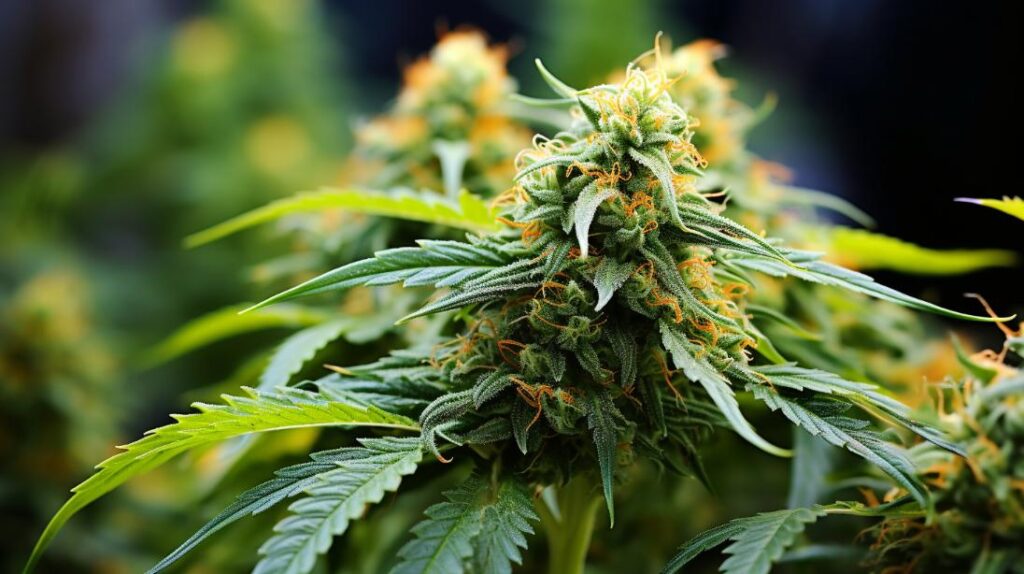
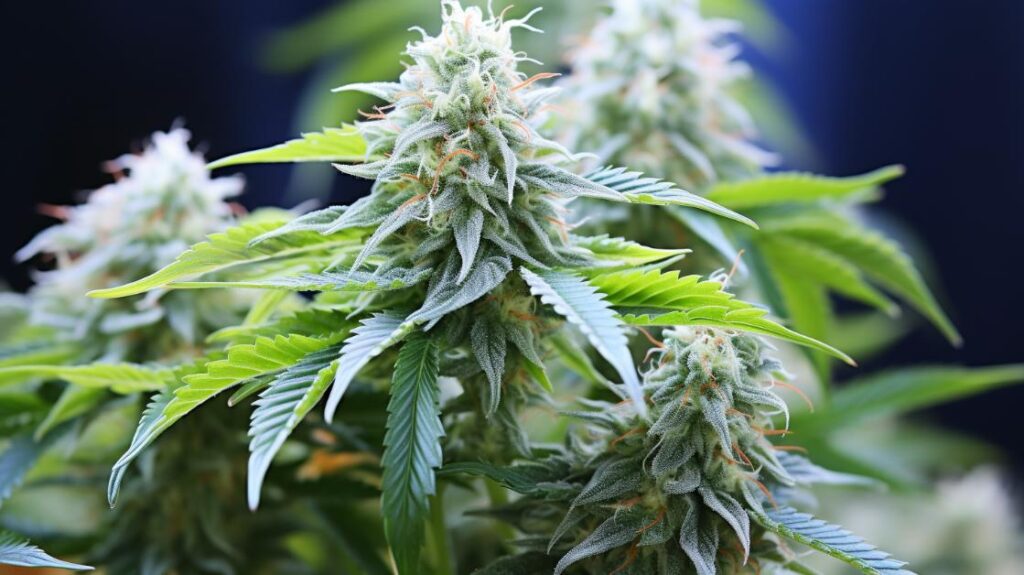
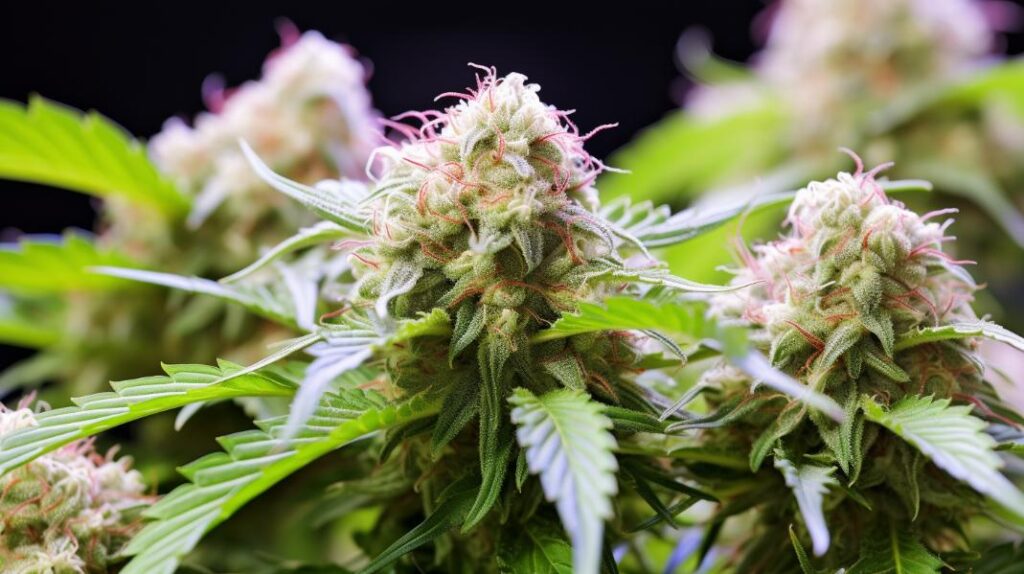
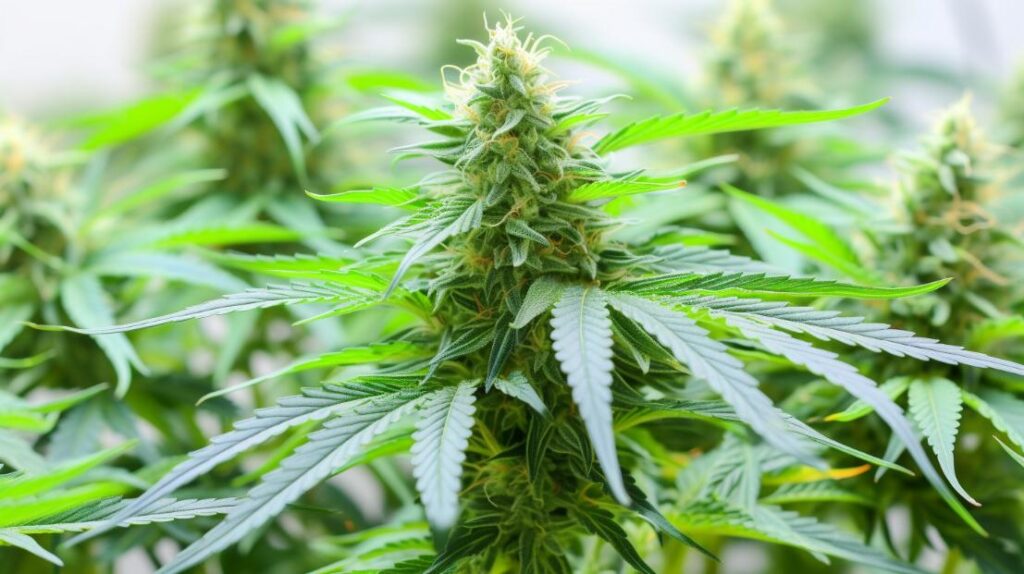
Guava weed strain’s visual allure is immediately apparent, characterized by its dense, resinous buds that boast a palette of vibrant greens and fiery orange pistils. The aesthetic appeal of this strain is further enhanced by its trichome-covered flowers. These glistening trichomes not only contribute to the strain’s sticky texture but also signify its potency and quality. The sweet, tropical aroma that emanates from the buds is a testament to its flavor profile, which is visually complemented by the strain’s color palette.
The leaves of the Guava weed strain are not to be overlooked; they display deep green hues with frosty blue tips that add a level of depth to its visual appeal. When it comes to strain characteristics, the buds’ compact structure is noteworthy. They are meticulously adorned with a frosted coat of trichomes, which is indicative of the strain’s careful cultivation and handling.
| Characteristic | Description | Visual Impact |
|---|---|---|
| Bud Density | Dense, resinous | Robust, compact appearance |
| Trichome Coverage | Glistening coat of trichomes | Frosted, sticky texture |
| Pistil Coloration | Fiery orange pistils | Striking contrast against green |
| Leaf Hues | Deep green with frosty blue tips | Multi-tonal depth |
| Aroma Indication | Sweet, tropical scent with hints of citrus | Suggests flavor and potency |
The Guava weed strain’s appearance is a visual feast, showcasing the very essence of its intrinsic qualities through its vibrant and frosty presentation.
Grow Information
Cultivators of the Guava strain can anticipate moderate growth in plant stature, with a bounty of crystal-coated buds following an eight to ten-week flowering period. Developed by Flavour Chasers, Guava is an indica-leaning hybrid with a genetic lineage from Stardawg and Afghani indica, boasting THC levels up to 21%. Its growth pattern is characteristic of hybrid strains, offering flexibility for various cultivation settings.
The strain’s growing popularity among cannabis enthusiasts is due to its high yields and the versatility it exhibits in both indoor and outdoor environments. Analysis of grow information reveals several key considerations for optimizing Guava’s cultivation:
-
Yield Optimization Techniques: Implementing low-stress training (LST) or the Screen of Green (SCROG) method can significantly enhance the yield by exposing more bud sites to light.
-
Indoor vs. Outdoor Cultivation Comparison: Guava thrives in controlled indoor settings, which can lead to more predictable and potent harvests. However, outdoor cultivation, given the right climate, can result in larger plants and yields but with more variables to manage.
-
Nutrient Requirements for Growing Guava Strain: A balanced nutrient regimen is vital, with particular attention to nitrogen levels during vegetative growth and phosphorus and potassium during flowering to support robust bud development.
Analyzing these factors can guide cultivators to successful harvests, characterized by Guava’s sweet flavor profile with earthy and chemical nuances.
Adverse Effects
While the Guava strain offers notable benefits in cultivation and yield, it is essential to also consider the potential adverse effects that consumers may experience upon usage. Cannabis strains, including Guava, can induce a range of adverse responses that vary from mild to severe, depending on individual tolerance, consumption methods, and dosage.
Adverse effects may include dry mouth, dry eyes, dizziness, paranoia, and anxiety. These reactions are relatively common and typically subside on their own. However, more serious side effects like increased heart rate and impaired coordination could pose risks, especially for individuals with pre-existing health conditions.
Drug interactions are an important consideration, as cannabis can affect the metabolism of certain medications. Users taking prescription drugs should consult with a healthcare professional to mitigate potential risks.
The legal status of the Guava strain, as with other cannabis varieties, is subject to local laws and regulations, which can influence availability and consumer safety due to varying degrees of market oversight.
Different consumption methods, such as smoking, vaporizing, or ingesting, may also influence the intensity and onset of adverse effects. It is advisable for users to be mindful of these factors to optimize their experience while minimizing potential negative outcomes.
Comparisons with Similar Strains
Often compared to its cannabis counterparts, the Guava Weed Strain distinguishes itself with a higher THC content and a unique flavor profile, despite sharing many growth characteristics and effects with similar varieties such as Guava Kush and Grandi Guava.
When evaluating the Guava Weed Strain, several aspects come to light:
-
Effects and Potency:
- Guava Weed Strain: Sativa-dominant, 22%+ THC, offers a beachy high.
- Guava Kush: Indica-leaning, up to 21% THC, effects include relaxation, focus, and increased appetite.
- Grandi Guava: Hybrid, up to 25% THC, provides stress relief with a relaxing and euphoric high.
-
Growing Techniques and Tips:
- Both Guava Weed Strain and Guava Kush thrive in various environments, yielding crystal-laden buds with an 8-10 week flowering cycle.
- Similarities with Stardawg and Afghani strains suggest potential shared growing conditions and maintenance needs.
-
User Reviews and Experiences:
- Guava Weed Strain is praised for its sweet, tropical, and peach flavor, differing from Guava Kush’s fruity taste with earthy undertones.
- Grandi Guava’s lineage from Guava Kush and Grand Daddy Purple hints at a shared appreciation for its relaxing effects among enthusiasts.
The nuances in flavor and therapeutic effects as evidenced in user experiences contribute to the distinct identity of each strain.
Research and Studies
A considerable number of user reports, totaling 83 individuals, have provided insights into the Guava Weed Strain’s effects and potential therapeutic benefits, underscoring the importance of anecdotal evidence in understanding the strain’s impact on mood and well-being. These user experiences contribute to a broader understanding of the strain’s characteristics, as they describe a tendency towards feelings of being energetic, talkative, and hungry, which may suggest mood and behavior enhancements associated with Guava’s consumption.
While genetic research into the Guava Weed Strain specifically may be limited, the collective user reports offer a starting point for scientific inquiry. They highlight the importance of exploring the genetic profiles of cannabis strains to better understand their effects and identify potential therapeutic benefits. Such research could elucidate the mechanisms behind reported effects on anxiety, stress, and depression.
Balancing these positive accounts, users also report potential negatives, including anxiety, dry eyes, and dry mouth. These findings illustrate the necessity for cautious and informed use of cannabis strains like Guava, especially for individuals with medical conditions. It reinforces the advice that consumers should consult health professionals before integrating such strains into their therapeutic regimen, ensuring a responsible approach to the use of cannabis for medicinal purposes.
Frequently Asked Questions
Is Guava an Indica or Sativa?
The Guava strain, originating as a Gelato phenotype, is predominantly sativa. Its growth habits result in energizing effects. The flavor profile includes a blend of fruity berry and tropical citrus, indicative of its sativa dominance.
Is Guava Strain Strong?
The Guava genetics contribute to its robust THC levels and dynamic aroma profile, while its cultivation difficulty can affect potency outcomes. These factors together suggest a strong overall strain with potent effects.
What Does Guava Do for Weed?
Guava imparts a distinct flavor profile to cannabis, potentially offering medicinal benefits. Its influence on growth patterns in plants is subject to horticultural analysis, dependent on genetic and environmental interactions.
Is Guava Z a Sativa or Indica Strain?
Guava Z is predominantly a sativa strain, as evidenced by its genetics which exhibit a sativa-to-indica ratio of 80:20. Cultivation techniques have reinforced its distinctive flavor profile, rich in tropical and peach nuances.

Responses