
Hawaiian Haze

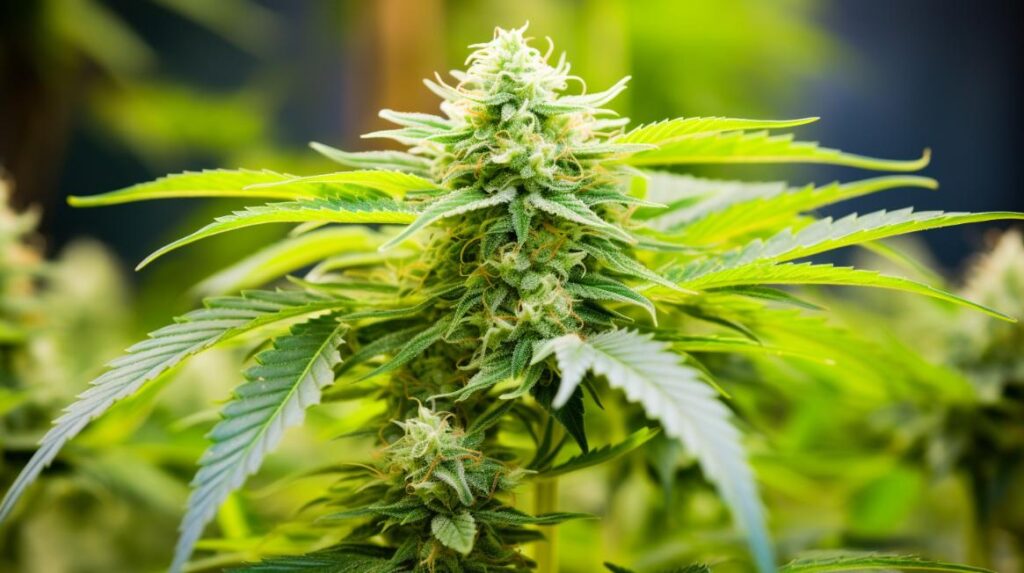
Hawaiian Haze is a sativa-dominant hybrid, a fusion of mysterious haze and vibrant Hawaiian genetics. Renowned for its bright green buds and vibrant orange hairs, it boasts a THC content of 26%, paired with a CBD-rich profile. This balance provides an energetic, uplifting high without sedation, enhancing mental clarity and focus, making it ideal for daytime use. The terpene profile, dominated by Myrcene, b-Caryophyllene, and a-Bisabolol, imbues it with sweet, tropical aromas of pineapple and mango, alongside therapeutic benefits such as pain relief and anti-inflammatory properties. This strain holds a unique position for both recreational and medicinal applications, opening avenues for deeper exploration into its versatile effects.
Genetic Lineage
Exploring the genetic lineage of Hawaiian Haze, it emerges as a sativa-dominant hybrid, intricately woven from an enigmatic indica haze strain and the effervescent Hawaiian. This fusion creates a unique profile that balances the vigorous, cerebral lift associated with haze varieties and the lush, tropical essence of Hawaiian genetics. The exact indica haze parent remains shrouded in mystery, contributing to Hawaiian Haze’s allure and complexity. This undisclosed haze strain bestows upon Hawaiian Haze its characteristic energy and uplifting effects, a hallmark of haze varieties known for their potent mental clarity and euphoria.
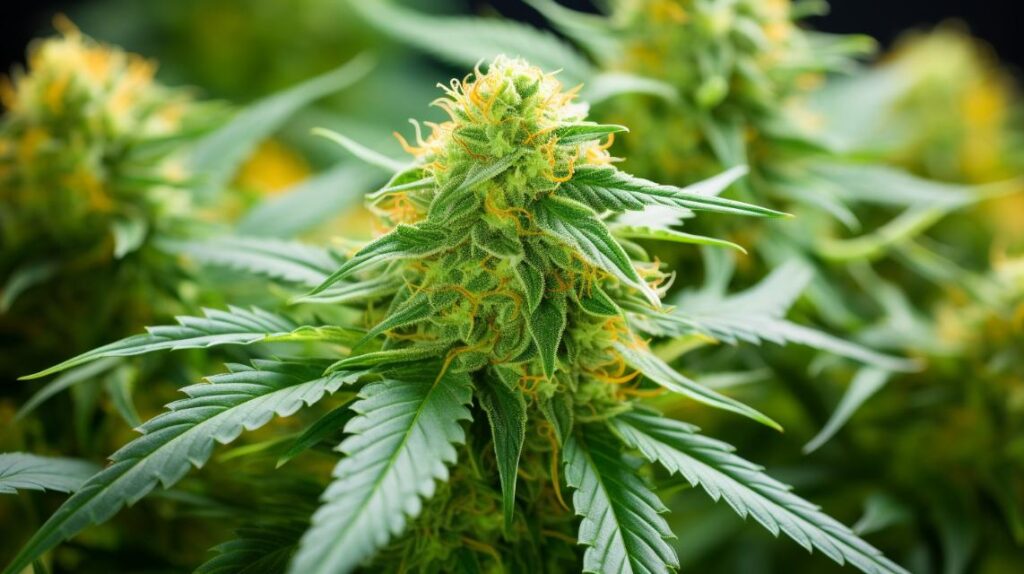
The Hawaiian component, on the other hand, infuses Hawaiian Haze with its distinctive tropical flair. This lineage is evident in the strain’s bright green buds adorned with vibrant orange hairs, resembling the vivid hues of a tropical paradise. The floral scent, reminiscent of a lush, blooming garden, further accentuates its tropical heritage. Together, these genetic contributors orchestrate a symphony of effects and aromas that define Hawaiian Haze. The combination of a mysterious haze influence with the vibrant character of Hawaiian genetics results in a strain that is both enigmatic and inviting, offering a unique experience that captivates connoisseurs and casual users alike.
THC/CBD Content
Building on its rich genetic heritage, Hawaiian Haze boasts a THC content of 26%, positioning it as a strain with significant psychoactive potential and a CBD-rich profile that underscores its versatility in medicinal applications. This exceptional balance between THC and CBD makes Hawaiian Haze a remarkable candidate for users seeking both therapeutic benefits and a potent, uplifting high. As a sativa-dominant hybrid, it naturally leans towards providing an energetic and euphoric experience, amplified by its substantial THC level.
The strain’s CBD-rich nature further enriches its desirability among medical cannabis users. This cannabinoid composition offers a well-rounded approach to symptom management, catering to a broad spectrum of conditions without the overwhelming intensity that high-THC strains sometimes bring. The presence of CBD in Hawaiian Haze tempers the psychoactive effects of THC, allowing for a more controlled and enjoyable experience. Its medicinal potential is enhanced by the tropical fruit flavors that define its profile, making it not just effective but also a pleasure to consume. The synergy between its cannabinoids embodies the strain’s capacity to deliver soothing effects, making Hawaiian Haze a preferred choice for those seeking relief with a touch of tropical bliss.
Terpene Profile
Exploring the terpene profile of Hawaiian Haze reveals a complex mix of Myrcene, b-Caryophyllene, and a-Bisabolol, which significantly contribute to its unique tropical flavor and therapeutic potential. The presence of Myrcene, predominant in this Haze strain, not only anchors the rich, sweet aromas reminiscent of pineapple and mango but also plays a crucial role in enhancing the relaxing effects often associated with this strain. Meanwhile, b-Caryophyllene adds a spicy counterpoint to the sweetness, potentially offering pain relief benefits to users. Additionally, a-Bisabolol, with its subtle floral notes, complements the tropical fruit symphony while contributing anti-inflammatory properties.
This blend of terpenes in the Hawaiian Haze strain not only defines its characteristic aroma and taste of tropical fruits but also highlights the importance of the terpene profile in shaping the overall experience of consuming this cannabis strain. By understanding the specific terpenes present and their potential effects, users can better predict how Hawaiian Haze might benefit them therapeutically. This knowledge reinforces the idea that the strain’s terpene profile is pivotal not just for its sensory appeal but for its capacity to enhance the entourage effect, thereby maximizing its therapeutic efficacy.
Effects
The Hawaiian Haze strain is renowned for its ability to induce an energizing and euphoric high, remarkably without leading to sedation, making it an exceptional choice for individuals seeking therapeutic benefits without compromising focus or concentration. As a sativa-dominant hybrid, Haze offers an uplifting effect that can turn a bad day around with its vibrant, mood-enhancing properties. Its unique ability to alleviate stress without impairing cognitive abilities makes it a favored option for daytime use among professionals and creatives alike.
| Effect | Description |
|---|---|
| Energizing | Provides a burst of energy, ideal for tackling tasks or engaging in creative endeavors. |
| Euphoric | Induces feelings of happiness and well-being, effectively countering depression and bad moods. |
| Focus and Clarity | Enhances mental clarity and focus, allowing users to concentrate on their work without distractions. |
Medical Uses
Harnessing its potent effects, the Hawaiian Haze strain has shown significant effectiveness in treating conditions such as anxiety, stress, depression, and nausea. This cannabis variety is particularly noted for providing a euphoric and energizing high, which is beneficial for patients who suffer from mood disorders or need a boost in focus without the risk of sedation. Patient testimonials frequently highlight its ability to alleviate symptoms of mental health issues, often describing a notable improvement in mood and a decrease in anxiety levels.
Furthermore, those suffering from insomnia have reported that Hawaiian Haze assists in improving sleep quality, indirectly contributing to better overall well-being. The strain’s immediate head high is also praised for its capacity to enhance motivation, which is vital for individuals dealing with depression.
Physician recommendations often include Hawaiian Haze as part of a thorough treatment plan for managing severe conditions, emphasizing its efficacy when used responsibly. Dosage recommendations, however, vary depending on the individual’s tolerance and the severity of the symptoms, highlighting the importance of medical guidance in optimizing treatment outcomes. The strain’s broad therapeutic potential, backed by both anecdotal and physician-endorsed evidence, underscores its value in the medical cannabis community.
Flavor and Aroma
Exploring the sensory experience of the Hawaiian Haze strain, its aromatic profile exudes an earthy base intermingled with sharp hints of lemon and pine, creating a complex and inviting olfactory journey. This strain’s aroma sets the stage for its equally engaging flavor profile, which is often described as a tropical delight. With notes of pineapple, mango, and a medley of other tropical fruits, Hawaiian Haze delivers a taste that is both rejuvenating and invigorating. The strain’s unique combination of sweet and sour flavors further enhances its appeal, offering users an enjoyable and multifaceted sensory experience.
The tropical infusion present in Hawaiian Haze’s flavor is a sign of its ability to uplift the senses. Its distinct taste profile, characterized by a balance of sweetness with a tangy edge, mimics the exhilarating freshness of tropical fruits. Additionally, the aroma, reminiscent of a blend of citrus, diesel, and tropical fruit scents, complements its flavor, making every inhalation a journey to a lush, aromatic paradise. Together, these elements contribute to Hawaiian Haze’s reputation for providing a sensory experience that is as intricate as it is delightful.
Appearance
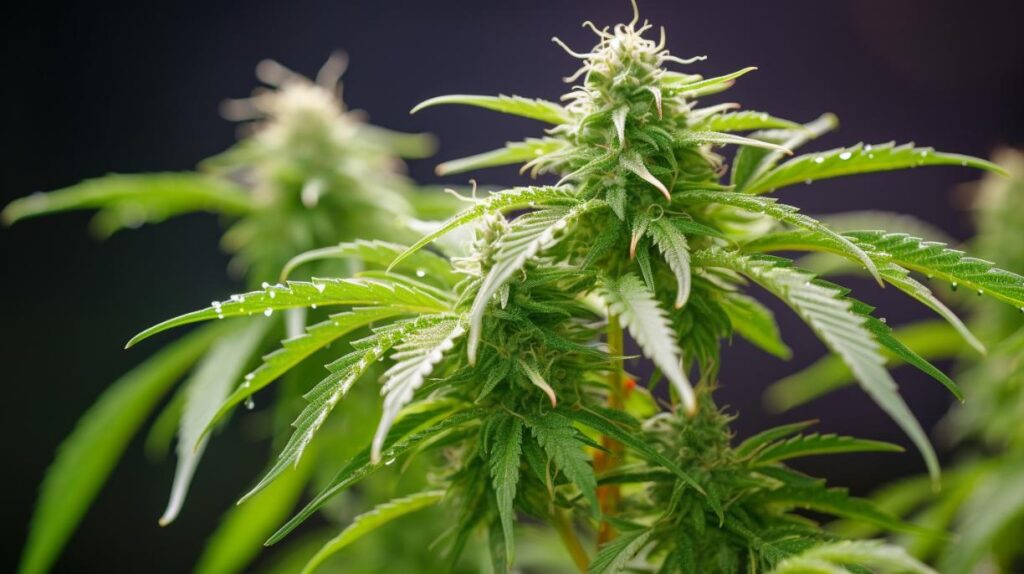
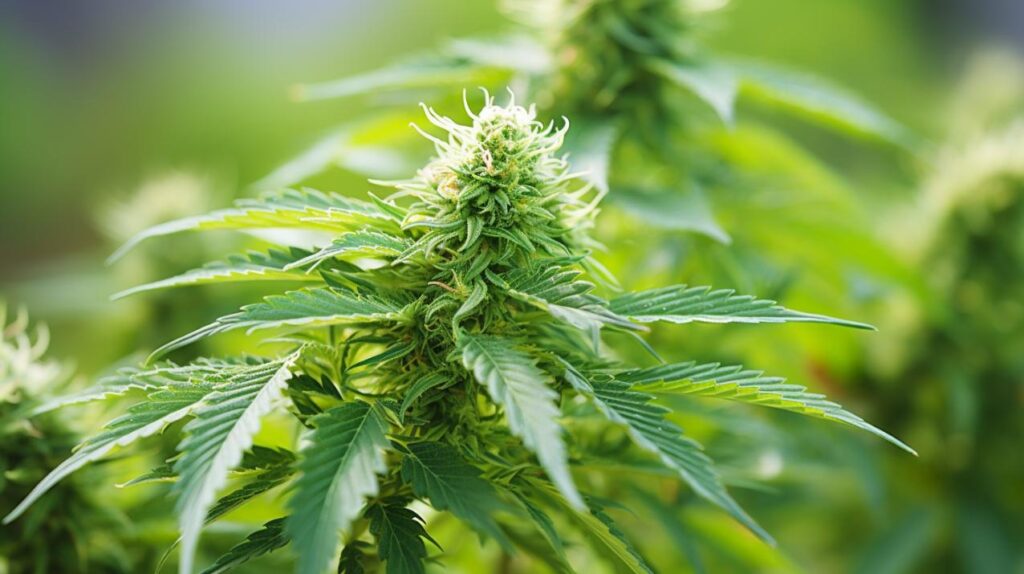
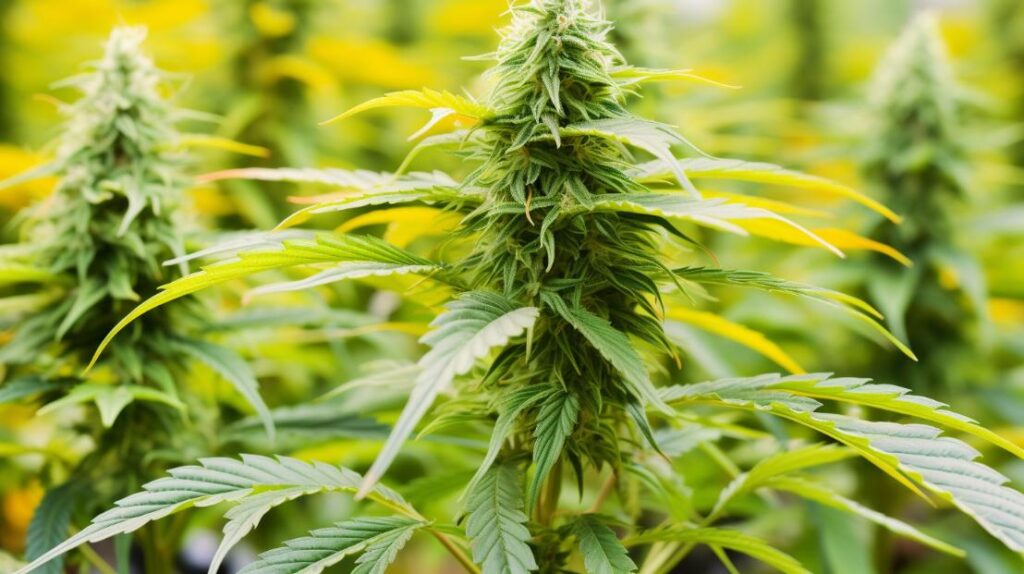
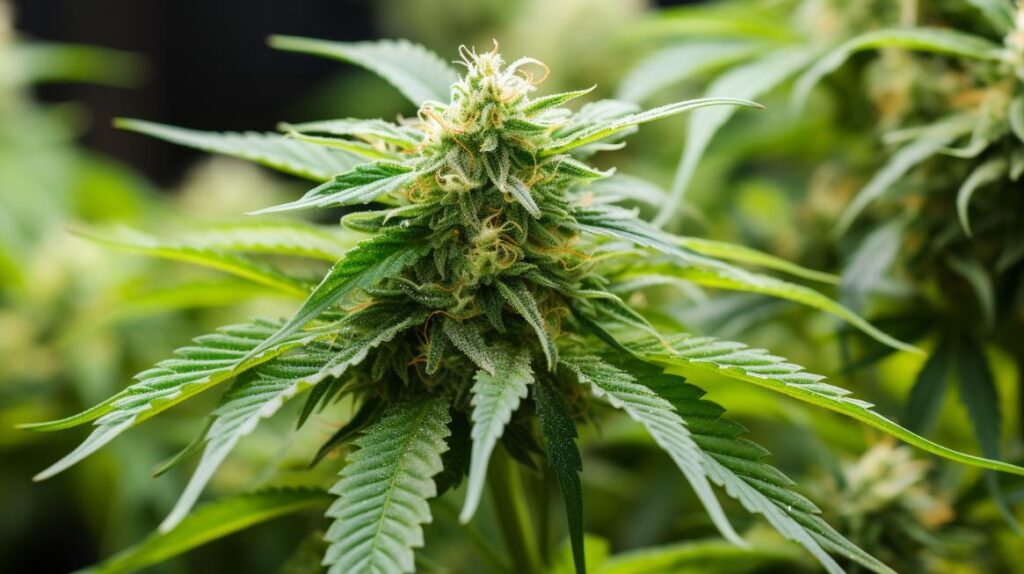
Upon first glance, the Hawaiian Haze strain captivates with its dense, compact buds adorned with bright green and orange hues, showcasing an appearance that mirrors its quality and potency. The vibrant color contrast between the green of the buds and the orange of the hairs creates a visually striking effect that is not only appealing but also indicative of its rich cannabinoid and terpene profile. The floral scent that emanates from the buds adds an additional layer of appeal, enhancing the overall sensory experience.
The trichome density on Hawaiian Haze buds is remarkable, covering the surface in a frosty layer that speaks to its potency. This feature, combined with its coloration and scent, contributes significantly to the strain’s visual appeal, making it easily recognizable and highly sought after by connoisseurs and casual users alike.
| Feature | Description |
|---|---|
| Bud Density | Dense, compact |
| Color Contrast | Bright green buds with orange hairs |
| Trichome Coverage | Good, contributing to visual appeal and potency |
| Scent | Floral, enhancing visual and sensory appeal |
| Recognizability | Visually striking, easily recognizable |
The appearance of Hawaiian Haze is a reflection of its quality, with each characteristic—from color contrast to trichome density—playing a pivotal role in its overall visual appeal.
Grow Information
Cultivating Hawaiian Haze presents an appealing challenge for growers, requiring a moderate level of experience to navigate its straightforward yet attentive growing process effectively. This strain, known for its potent THC content, thrives under a regimen that balances meticulous pruning techniques with a well-structured nutrient schedule. These elements are important in managing its growth and maximizing yield, which is typically average under most conditions.
Growers have the flexibility to cultivate Hawaiian Haze in either soil or hydroponic setups. Each method has its advantages, with soil fostering a more complex terpene profile due to the interaction with organic matter, and hydroponics offering greater control over nutrient delivery and potentially faster growth rates. The choice between organic versus synthetic nutrients also plays a significant role in the cultivation process. Organic nutrients can enhance the strain’s natural flavors and aromas, while synthetic nutrients may promote more vigorous growth.
Furthermore, the light spectrum and training methods are essential components of Hawaiian Haze’s cultivation. A balanced light spectrum guarantees optimal photosynthesis, while training methods like topping and low-stress training (LST) encourage a bushier canopy, increasing the plant’s exposure to light and potentially improving yield.
Adverse Effects
While Hawaiian Haze is celebrated for its uplifting effects, it’s important to contemplate the strain’s potential adverse effects, including dizziness, paranoia, and dry eyes. These side effects, though not experienced by all users, can detract from the overall enjoyment and benefits of this strain. Understanding the risk factors, potential solutions, and user experiences can help in managing these adverse effects effectively, leading to a more pleasant experience.
| Adverse Effect | Management Strategies |
|---|---|
| Dizziness | Stay hydrated, consume in moderation |
| Paranoia | Begin with lower doses, establish a comfortable setting |
| Dry Eyes | Use over-the-counter eye drops, stay hydrated |
| Risk Factors | Know your tolerance, be mindful of the setting |
| User Precautions | Avoid operating machinery, consider the company and environment |
Comparisons with Similar Strains
To fully appreciate the uniqueness of Hawaiian Haze, it is informative to compare it with other strains that share similar characteristics yet differ in essential aspects. Strain potency is a significant point of comparison. Hawaiian Haze, with its 26% THC content, stands out for delivering a potent, energizing, and euphoric high without compromising focus or concentration. This makes it quite distinct from other sativa-dominant hybrids which might offer a similar energizing effect but could potentially lead to a decrease in focus or induce sedation.
The aroma comparison also highlights the uniqueness of Hawaiian Haze. Its distinctive floral scent sets it apart from other strains that may have earthier, citrus, or more pungent aromas. This appealing scent contributes to the overall experience of using Hawaiian Haze, making it a preferred choice for those who value the olfactory aspect of cannabis consumption.
Cultivation techniques further differentiate Hawaiian Haze from its counterparts. Its growth requirements, characterized by bright green buds with orange hairs and dense, trichome-covered buds, indicate a need for specific environmental conditions to achieve its full potential. This contrasts with other strains that might be more adaptable to varied cultivation environments, making Hawaiian Haze a strain suited for growers with the ability to meet its specific needs.
Research and Studies
Understanding the unique characteristics and cultivation requirements of Hawaiian Haze sets the stage for further exploration into its research and studies, which have yet to be extensively pursued within formal scientific settings. Despite its popularity among users for its aromatic profile and effects, the Hawaiian Haze strain has not been the focus of significant empirical research, leaving a gap in our understanding of its potential benefits and therapeutic applications.
Limited scientific data is available on the specific effects and benefits of Hawaiian Haze, with most information being anecdotal or derived from broader cannabis research. The complexity of its cannabinoid and terpene profiles suggests that Hawaiian Haze may have unique therapeutic applications, yet studies focusing on these potentialities are currently lacking. The absence of detailed research underscores the necessity for future studies to examine the strain’s composition and its implications for medical use.
More research is needed to fully understand the therapeutic potential of Hawaiian Haze. Future research opportunities should aim to clarify the strain’s efficacy in treating specific conditions, contributing to a more informed use of Hawaiian Haze in both medical and recreational contexts.
History and Origin
The origins of Hawaiian Haze trace back to a meticulous crossbreeding of an unidentified indica haze strain with native Hawaiian genetics, resulting in its distinctive sativa-dominant hybrid profile. This genetic fusion not only highlights advanced cultivation techniques and breeding practices but also underscores the strain’s unique position within cannabis culture. The blend of an indica haze’s soothing effects with the energizing influence of Hawaiian sativa genetics has produced a strain with notable potency, as evidenced by its THC content of 26%.
Hawaiian Haze’s dense, compact buds, adorned with trichomes and bright green hues complemented by orange hairs, along with its unique floral scent, are a reflection of the evolutionary adaptation and geographical distribution that have influenced its development. This evolution is an illustration of both the natural environment and the cultural significance surrounding its traditional uses. As a sativa-dominant hybrid, it embodies the spirit of its Hawaiian lineage, offering a vibrant example of how local flora can be ingeniously integrated into global cannabis breeding practices, thereby enriching the diversity and appeal of cannabis strains worldwide.
Frequently Asked Questions
Is Hawaiian Haze an Indica or Sativa?
When evaluating cannabis strains, one typically considers strain genetics, growing conditions, and flavor profile. Hawaiian Haze, a sativa-dominant hybrid, offers a unique blend of unknown indica haze and Hawaiian genetics, favoring sativa characteristics.
Will Hawaiian Haze Get You High?
Yes, given its high THC content, consumption of this strain will likely result in a significant psychoactive experience, characterized by an uplifting and energizing high. Its unique flavor profile enhances the overall sensory experience.
Is Hawaiian a Sativa or Indica?
Hawaiian Haze is a balanced hybrid, blending Sativa and Indica genetic origins. Its cultivation methods yield a distinct flavor profile, neither purely Sativa nor Indica, reflecting its unique heritage and stimulating, yet harmonious effects.
Is Hawaiian Haze Good for Anxiety?
Evaluating the efficacy of cannabis strains for anxiety requires understanding strain genetics, consumption methods, and the individual’s anxiety symptoms. Research suggests certain strains may alleviate anxiety, emphasizing the importance of personalized, informed usage.

Responses