
High Fructose Corn Syrup (aka HFCS)

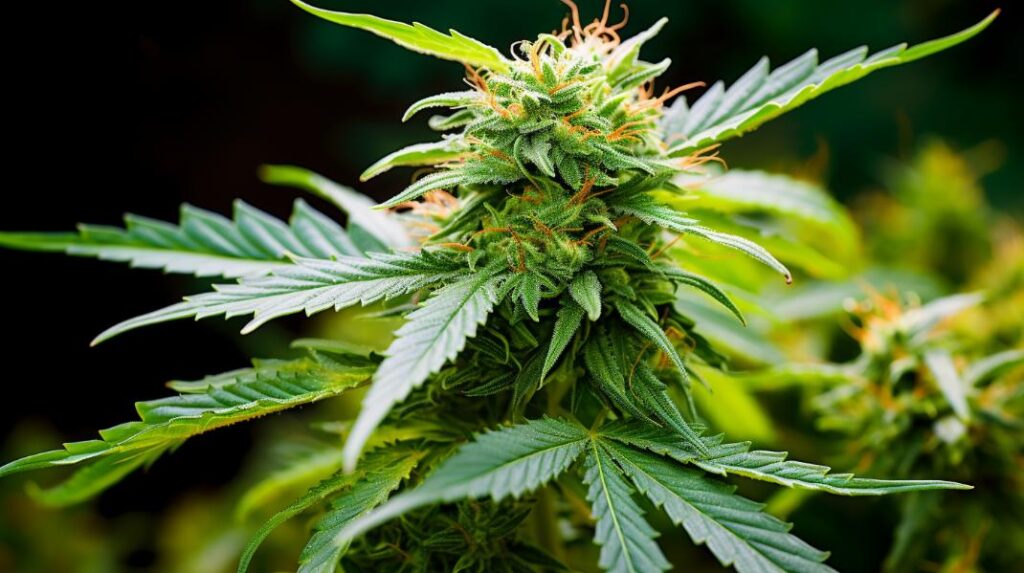
The High Fructose Corn Syrup strain, developed by 3rd Gen Family Farms/Dying Breed, represents a fascinating convergence of cannabis genetics, combining OZ Kush, Peach Ozzz, and Peach Ringz into a potent hybrid. With THC levels soaring between 25-32%, its unique profile of dense, trichome-laden buds and a distinctive terpene bouquet of funk and savory notes invites a deeper examination.
Particularly suited for indoor or greenhouse cultivation, its cultivation requirements and behavior under specific environmental conditions merit discussion among enthusiasts and cultivators alike. The implications of its high THC content on both recreational and medicinal usage, alongside its distinct genetic makeup, open up a broad spectrum of topics worth exploring further.
Genetic Lineage
The genetic lineage of the High Fructose Corn Syrup (HFCS) strain, expertly bred by Fullmoon Genetics, traces back to a robust heritage including OZ Kush BX2, OZ Kush BX1, Peach Ozzz, and Peach Ringz, demonstrating a meticulously selected vegetative genetic tendency. This lineage signifies a strategic selection aimed at enhancing specific traits, such as aroma, flavor, and growth characteristics, which are highly valued in cannabis cultivation. The foundational genetics, primarily OZ Kush, a creation by 3rd Gen Family Farms/Dying Breed, provides a strong backbone, integrating complex terpene profiles and robust plant growth patterns into the HFCS strain.
The involvement of OZ Kush variants, BX2 and BX1, along with Peach Ozzz and Peach Ringz, indicates a deliberate effort by Fullmoon Genetics to harness and amplify desirable traits. These include the vegetative growth vigor necessary for a bountiful yield and the development of distinctive terpene profiles. It reflects a deep understanding of cannabis genetics and a commitment to producing strains with a wide-ranging and balanced set of characteristics. Through this genetic amalgamation, HFCS emerges as a reflection of the advanced breeding techniques and vision of Fullmoon Genetics, standing out for its unique genetic makeup and potential cultivation benefits.
THC/CBD Content
High Fructose Corn Syrup strain boasts a THC potency ranging from 25% to 32%, positioning it among the stronger options available to seasoned cannabis consumers. This notable concentration of THC highlights its appeal to those seeking potent psychoactive effects, making it a popular choice for recreational use. However, its high THC content also attracts attention in the medical cannabis community for its potential therapeutic benefits.
-
Potency for Experienced Users: Given its high THC levels, High Fructose Corn Syrup strain is particularly suited for experienced cannabis users. Novices may find its effects overwhelming, underscoring the importance of dosage control.
-
Low CBD Content: Unlike strains that balance THC with CBD, High Fructose Corn Syrup focuses primarily on THC. This results in minimal CBD presence, which means it may not be the best choice for those seeking CBD’s specific therapeutic effects.
-
Psychoactive Effects: Users can expect significant psychoactive experiences, including feelings of relaxation and euphoria. These effects are attributed to its high THC content.
-
Medical Applications: Despite its low CBD content, the potent THC levels in High Fructose Corn Syrup strain may offer relief for conditions responsive to THC, such as chronic pain, insomnia, and stress disorders.
This analytical overview underscores the strain’s significance in both recreational and medical cannabis spheres, driven largely by its potent THC profile.
Terpene Profile
Delving into the terpene profile of High Fructose Corn Syrup strain, it is primarily dominated by Limonene, b-Caryophyllene, and Linalool, contributing to its distinctive aroma and therapeutic properties. Limonene, known for its citrusy scent, is immediately recognizable in the strain’s aroma, blending notes of GMO, Fuel, and Funk, adding a layer of complexity to its olfactory profile. This terpene is not just about the scent; it also plays a significant role in the strain’s potential mood-enhancing and stress-relieving effects, although these aspects are more closely discussed in the context of effects rather than terpene composition.
b-Caryophyllene, another key component, imparts a spicy, peppery note that complements the strain’s fuel-like qualities. This terpene is unique for its ability to interact with the body’s endocannabinoid system, particularly in reducing inflammation. The presence of Linalool, with its floral and lavender nuances, rounds off the aroma, contributing to the strain’s complex scent profile.
Given its strong potency, with THC levels ranging from 25-32%, and its specific cultivation requirements, including a preference for indoor or greenhouse environments and high EC & PPFD, the High Fructose Corn Syrup strain emerges as a particularly intriguing option for connoisseurs seeking a unique terpene profile.
Effects
Exploring the effects of the High Fructose Corn Syrup strain reveals a spectrum of experiences, primarily characterized by feelings of relaxation, sleepiness, and an uplifting sense of euphoria. These effects, as reported by users, contribute to the strain’s popularity and its rating of 4.2 out of 5 based on 5 reviews. The feedback provided by individuals who have tried the High Fructose Corn Syrup strain underscores its notable impact on mood and physical state.
Here is a breakdown of the effects:
- Relaxation: Users frequently report a profound sense of relaxation, making it a popular choice for unwinding after a stressful day.
- Sleepiness: The strain is known to induce sleepiness, suggesting its potential utility for those struggling with sleep disturbances.
- Uplifting Euphoria: Many users experience an uplifting sense of euphoria, which can be beneficial for mood enhancement.
- Sense of Euphoria: The euphoric effect is particularly highlighted, contributing to the overall positive reception of the High Fructose Corn Syrup strain.
Consumers interested in the High Fructose Corn Syrup strain can explore additional effects and reviews from verified buyers to make informed decisions about its potential suitability for their needs.
Medical Uses
Given the reported effects of the High Fructose Corn Syrup strain, such as relaxation, sleepiness, and an uplifting sense of euphoria, it naturally follows that its application extends to several medical uses. The strain’s strong potency, with THC levels ranging from 25% to 32%, underscores its potential effectiveness in the medical domain. Users have reported beneficial outcomes in managing a variety of conditions, bolstered by feelings of relaxation, increased appetite, and improved mood. This aligns with the positive feedback indicated by a 4.2 rating from five reviews.
The table below outlines the reported medical uses of the High Fructose Corn Syrup strain, reflecting its versatility in addressing diverse health issues:
| Reported Effect | Medical Use |
|---|---|
| Relaxation | Stress Relief |
| Sleepiness | Insomnia Treatment |
| Uplifting Mood | Depression Management |
| Euphoric Experience | Anxiety Alleviation |
| Increased Appetite | Appetite Stimulation |
These reported effects and medical uses highlight the High Fructose Corn Syrup strain’s potential in contributing to therapeutic practices, especially for patients seeking alternatives to traditional treatments. Its application in the medical field is a demonstration of the increasing recognition of fructose-based strains in managing health conditions effectively.
Flavor and Aroma
The High Fructose Corn Syrup strain stands out for its unique and potent flavor and aroma profile, characterized by a distinct blend of GMO, fuel, and funk. This particular strain boasts a sensory experience that is both intriguing and complex, appealing to users who appreciate a rich, multifaceted olfactory journey. The combination of its flavor and aroma creates a memorable experience, distinguishing it from other strains in the market.
When considering the flavor and aroma of the High Fructose Corn Syrup strain, several key points emerge:
-
Aroma Complexity: The strain’s aroma is a bold fusion of GMO, fuel, and funk notes, creating a pungent yet appealing scent that is easily recognizable and often associated with potency and quality.
-
Flavor Intensity: Its flavor mirrors the aroma, delivering a strong and pungent taste profile that is dominated by the same trio of GMO, fuel, and funk, offering a consistent experience from scent to taste.
-
Uniqueness: The aromatic blend of flavors is distinctive, setting it apart from more traditional or milder strains. This uniqueness contributes to its popularity among users looking for an intense and memorable cannabis experience.
-
User Experience: Consumers often report a robust and lingering taste profile, which is a proof of the strain’s strong and pungent flavor characteristics.
Appearance
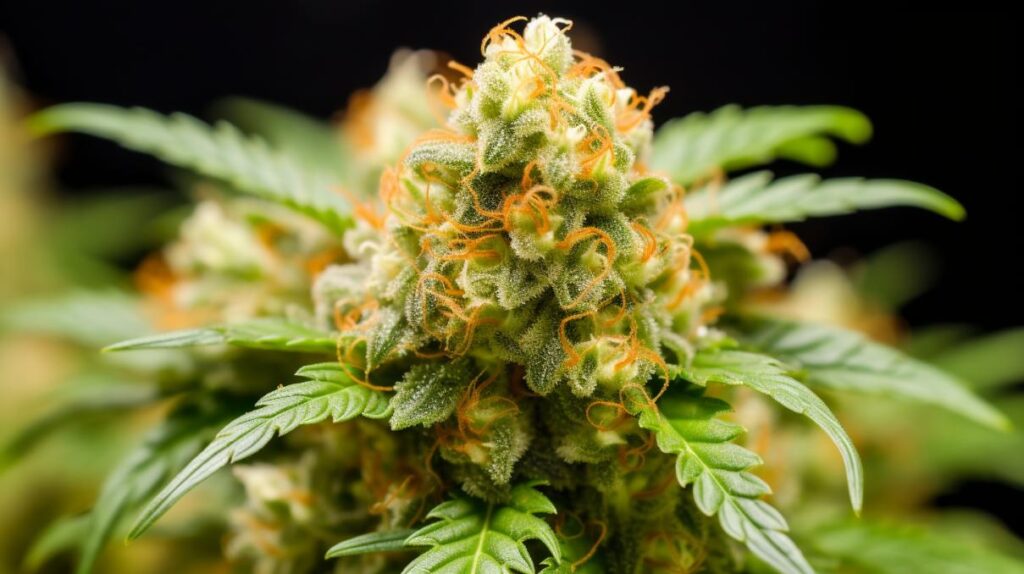
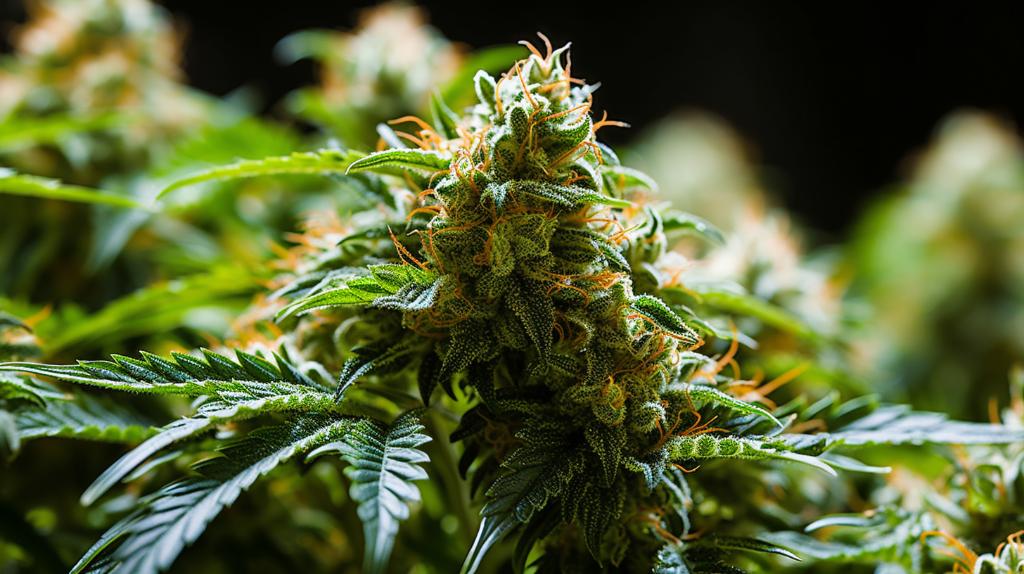
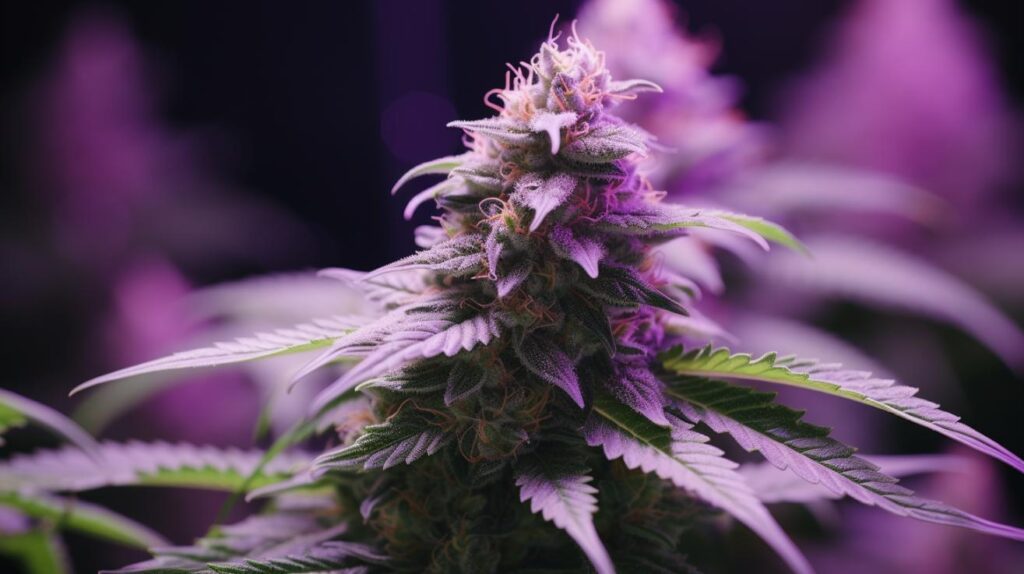
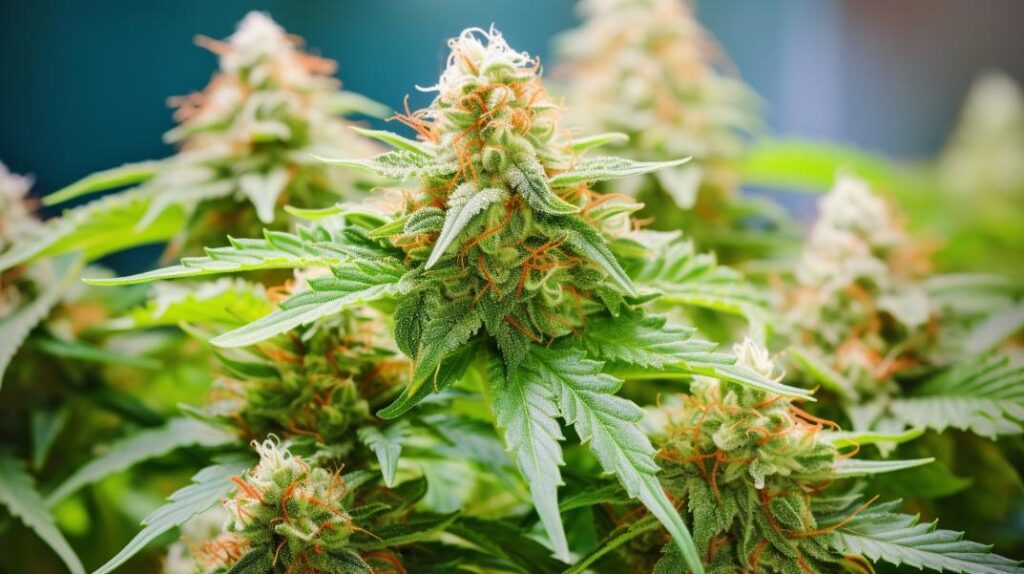
Delving into the visual characteristics of the High Fructose Corn Syrup strain, it becomes immediately apparent that its appearance is as distinctive and impactful as its flavor profile, marked by dense, golf ball-sized buds adorned with purple marbling and a frosty sheen indicative of high trichome coverage. This particular strain stands out within the cannabis community not only for its potent effects and unique aroma but also for its visually appealing aesthetics. The corn-like robustness in its build, coupled with an intricate display of colors and textures, underscores the meticulous care in cultivation and genetics that contribute to its striking appearance.
The buds of the High Fructose Corn Syrup strain, with their dense structure and frosty overlay, reflect a high trichome production. This not only enhances the visual appeal but also hints at the potency and quality of the strain. The purple marbling that weaves through the green hues adds a depth to the appearance, making it easily recognizable and highly sought after for both its aesthetic and aromatic qualities. The combination of these visual elements contributes greatly to the overall allure of the High Fructose Corn Syrup strain, making it a standout variety both in appearance.
Grow Information
Understanding the cultivation requirements and genetic background is essential for maximizing the potential of the High Fructose Corn Syrup strain, a task that involves precise environmental control and expert knowledge of its unique growth characteristics. Bred by 3rd Gen Family Farms/Dying Breed using OZ Kush, this strain has become a favorite among professionals for its distinct qualities and high THC content. To achieve best results, a detailed approach to its cultivation is necessary, particularly in professional settings where quality and consistency are paramount.
-
Indoor/Greenhouse Cultivation: High Fructose Corn Syrup thrives best in controlled indoor or greenhouse environments. This allows for the meticulous management of temperature, humidity, and lighting, factors critical for its development.
-
Bud Structure Attention: Its buds are characterized by even size, wild pistils, and compactness when dry. Monitoring these traits can guide adjustments in care to optimize bud quality.
-
Aroma Profile Management: With a dominant aroma profile of GMO, fuel, and funk, maintaining proper ventilation is critical in indoor cultivation to manage odor and guarantee a healthy growing environment.
-
Potency Monitoring: Given its high THC range of 25-32%, regular testing is recommended to ensure the potency meets the desired standards for professional cultivation and distribution.
Adverse Effects
While the High Fructose Corn Syrup strain offers significant benefits to users, it is important to acknowledge and understand its potential adverse effects, including dry mouth, dry eyes, feelings of paranoia, dizziness, increased heart rate, heightened anxiety, and drowsiness. These adverse effects are not uncommon and can affect individuals differently based on their tolerance, consumption method, and overall health condition.
Dry mouth and dry eyes are the most commonly reported adverse effects, likely due to the strain’s influence on the body’s salivary glands and tear production. Meanwhile, feelings of paranoia and heightened anxiety may stem from the psychoactive components of the High Fructose Corn Syrup strain, which can overstimulate the user’s sensory perceptions and thought processes. Dizziness or lightheadedness, along with an increased heart rate, can be attributed to the strain’s cardiovascular effects, which may temporarily alter blood pressure. Ultimately, the sedative properties of this strain can lead to drowsiness, impacting one’s energy levels and overall alertness.
Individuals experiencing these adverse effects should seek professional medical advice, especially if symptoms persist or worsen. Understanding these potential risks is important for safe consumption and managing expectations regarding the High Fructose Corn Syrup strain’s impact on one’s health and wellbeing.
Comparisons with Similar Strains
When comparing the High Fructose Corn Syrup strain to its genetic relatives such as OZ Kush, Peach Ozzz, and Peach Ringz, it becomes evident that its unique terpene profile and potent THC range distinguish it within the cannabis market. The distinctiveness of High Fructose Corn Syrup is highlighted through several key aspects:
-
Terpene Profile: Dominant terpenes like Limonene, b-Caryophyllene, and Linalool provide a distinctive aroma and flavor profile, setting it apart from its relatives. These terpenes contribute to the strain’s unique GMO, fuel, and funk aroma, which is not commonly found in its genetic relatives.
-
THC Potency: With a THC range of 25-32%, High Fructose Corn Syrup surpasses many strains with similar effects when compared. This high THC content makes it a particularly strong choice for experienced users seeking intense effects.
-
Cultivation Requirements: The recommendation for indoor or greenhouse cultivation with a moderate trim difficulty suggests a tailored approach to growing this strain, differing from some of its relatives which may have more lenient or different cultivation recommendations.
-
Physical Characteristics: The strain’s tendency to exhibit mostly purple buds with cold temperatures and flush contributes to its unique visual appeal. This distinct appearance is further accentuated by its aroma and contributes to its recognition in the market.
For those interested in exploring strains with similar effects, it is advisable to seek the advice of experienced cultivators or dispensaries to understand the nuances and care requirements of each strain.
Research and Studies
Despite the burgeoning interest in the High Fructose Corn Syrup strain, specifically its unique genetic makeup and potent THC levels, thorough research and scholarly studies remain noticeably scarce. This gap in academic exploration leaves much about the strain’s effects, both short-term and long-term, to anecdotal evidence and speculation. The genetic lineage of HFCS, involving OZ Kush, Peach Ozzz, and Peach Ringz, bred by 3rd Gen Family Farms/Dying Breed, indicates a rich heritage of potent strains. However, without in-depth research, the specific impacts of its potent THC content, ranging from 25-32%, are not fully understood.
Recommendations for cultivation suggest an indoor or greenhouse environment, alongside a note on its moderate trimming difficulty and the aesthetic appeal of its mostly purple buds under cold temperatures. Despite these growing insights, the strain’s availability remains limited, with a flowering period of 8-9 weeks and a notable stretch behavior of 2.5x-3x its original size during flowering. In the absence of exhaustive studies, individuals interested in this strain should proceed with caution and consult a health professional before using. All info is sourced from the breeders and growers, highlighting the need for formal research to validate these claims.
History and Origin
The High Fructose Corn Syrup strain, with its lineage tracing back to OZ Kush, Peach Ozzz, and Peach Ringz, represents a significant development in cannabis genetics, meticulously bred by 3rd Gen Family Farms/Dying Breed in collaboration with Fullmoon Genetics. This collaboration has yielded a strain with a rich genetic background, combining the strengths of its predecessors to create a unique profile.
-
Lineage and Genetics: The High Fructose Corn Syrup strain is a product of detailed genetic selection. It inherits its robust characteristics from OZ Kush, Peach Ozzz, and Peach Ringz, each contributing to its distinct properties.
-
Breeding Process: 3rd Gen Family Farms/Dying Breed, in collaboration with Fullmoon Genetics, meticulously engineered the strain. The breeding process involved crossing OZ Kush BX2 (OZ Kush X OZ Kush BX1) with Peach Ozzz (OZ Kush x Peach Ringz), highlighting the complex genetic engineering behind the strain.
-
Genetic Tendencies: Fullmoon Genetics played an important role, focusing on the vegetative tendencies of the High Fructose Corn Syrup strain, ensuring a robust growth pattern and resilience.
-
Dominant Terpenes: The strain showcases a unique terpene profile dominated by Limonene, b-Caryophyllene, and Linalool, contributing to its aromatic and therapeutic properties. This profile is a direct result of its intricate lineage and genetic makeup.
Frequently Asked Questions
What Are the Effects of High Fructose Corn Syrup?
High fructose corn syrup is associated with metabolic syndrome and weight gain due to its high sugar content. Its consumption can lead to adverse health outcomes, highlighting the need for moderation in dietary intake.
Why Is High Fructose Corn Syrup Banned?
High fructose corn syrup is not universally banned; however, trade restrictions and concerns about environmental impact, alongside health issues such as obesity and diabetes, have led some countries to limit its use in food products.
What Are the Levels of High Fructose Corn Syrup?
The current question pertains to the levels of high fructose corn syrup, focusing on its production process and addressing health misconceptions. It seeks an analytical, detailed, and objective examination of its concentration in various products.
How Does High Fructose Corn Syrup Affect the Brain?
High Fructose Corn Syrup affects the brain by potentially increasing sugar cravings and contributing to cognitive decline. It may alter dopamine levels, affecting mood and memory, and impact appetite regulation through changes in brain chemistry.


Responses