
Kush Mints

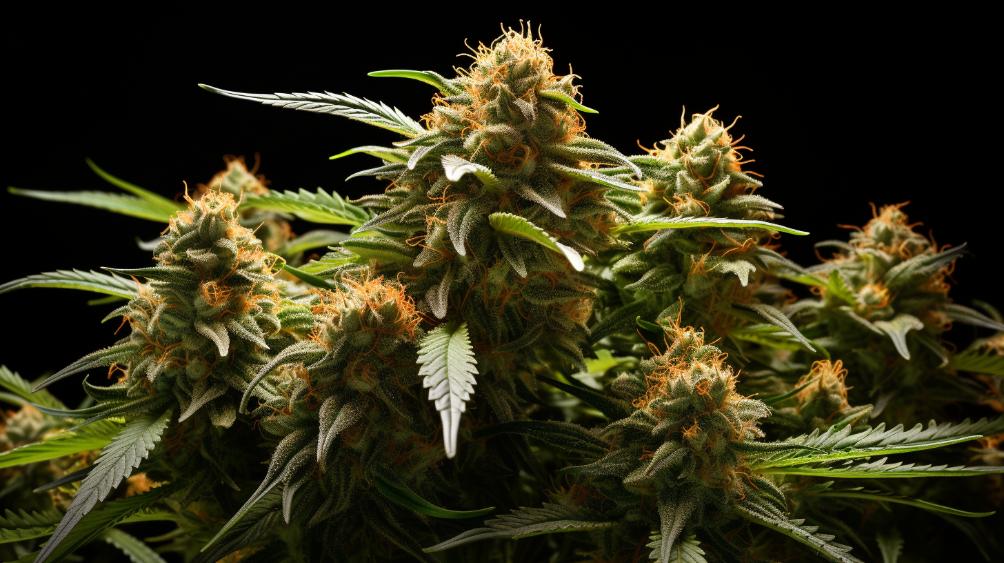
The Kush Mints strain, a well-balanced hybrid, is a noteworthy cultivar within the cannabis community, esteemed for its refreshing minty taste and compelling genetic lineage. A result of crossbreeding Animal Mints with Bubba Kush, it brings forth a symphony of flavors and a potent THC concentration, typically oscillating between 22% and 24%.
This strain’s effects are characterized by a clear-headed euphoria and a deep-seated relaxation, making it particularly efficacious for managing chronic pain and stress-related conditions. Cultivators and connoisseurs alike appreciate Kush Mints for its vibrant green hues and dense trichome coverage, which not only speak to its aesthetic appeal but also its robust cannabinoid profile.
Its therapeutic applications, alongside its recreational popularity, underscore its status as a distinguished and versatile strain in modern cannabis culture.
Genetic Lineage
The Kush Mints strain is a genetically balanced hybrid, descending from the prominent Bubba Kush and the flavorful Animal Mints strains. Carefully crafted by the renowned breeding team at Seed Junky Genetics, Kush Mints combines the robust genetic profiles of its parent strains to produce a complex and potent experience for users.
Here are key points to consider:
- Bubba Kush x Animal Mints produces a 50/50 hybrid that balances the sedative effects of Bubba Kush with the uplifting influence of Animal Mints.
- Seed Junky Genetics has meticulously selected and crossed these strains to enhance their desirable traits.
- The resulting hybrid showcases a rich terpene profile and high THC levels.
- The lineage contributes to the unique flavor profile and strong therapeutic potential of Kush Mints.
- This genetic combination has made Kush Mints a sought-after strain among cannabis aficionados.
History and Origin
Originating from the innovative breeders at Seed Junky Genetics, Kush Mints emerged as a noteworthy hybrid within the cannabis community. It combines the desirable traits of its parent strains, Bubba Kush and Animal Mints. As a 50/50 hybrid strain, Kush Mints encapsulates the quintessential balance of indica and sativa influences, offering a multifaceted experience for users.
The genetic lineage of this strain reflects a deliberate attempt to meld the profoundly relaxing effects of the legendary Bubba Kush, an indica strain, with the energizing and uplifting characteristics of the sativa-dominant Animal Mints. This strategic crossbreeding has resulted in a hybrid strain with a complex flavor profile and a visually striking appearance. These qualities speak to the meticulous cultivation and selection processes employed by Seed Junky Genetics.
THC/CBD Content
Kush Mints boasts a robust THC concentration typically ranging from 20% to 30%, alongside a minimal CBD content of 0.07%, reflecting its potent psychoactive potential while offering minimal non-psychoactive effects.
As a potent strain, it is favored by experienced cannabis enthusiasts for its profound impact. The THC/CBD content ratio underlines its utility in scenarios where strong psychoactive experiences are desired, while the negligible CBD suggests a lesser focus on the calming wellness benefits often associated with cannabidiol.
- THC levels span from a substantial 20% to an intense nearly 30%
- CBD content remains consistently low at 0.07%
- Prominent for delivering a potent and lasting high
- Preferred by users with higher tolerance and experience with cannabis
- Notable for its limited non-psychoactive therapeutic effects due to low CBD
Terpene Profile
Having explored the substantial THC and minimal CBD content of Kush Mints, attention now turns to its complex terpene profile, which is central to the strain’s aromatic allure and therapeutic potential.
Dominated by limonene, the profile is responsible for a minty taste that is reminiscent of a cookie-like sweetness, complementing the strain’s potency. The presence of fresh spearmint notes is an olfactory delight, enhancing the sensory experience for the user.
Further, beta-caryophyllene and beta-myrcene add depth to the Kush Mints bouquet, contributing earthy and musky undertones along with a subtle pine aroma. These terpenes are not just aromatic compounds; they play a crucial role in the strain’s entourage effect, potentially offering pain relief, anti-inflammatory properties, and mood enhancement, thus affirming Kush Mints as a therapeutically rich variety.
Effects
In the realm of cannabis effects, Kush Mints is particularly renowned for inducing a powerful sense of relaxation that permeates the entire body, making it a favorite among users seeking relief from tension and stress. This potent strain delivers a balanced high that is both cerebral and physical.
The experience is characterized by:
- A potent body buzz that may alleviate muscle tension and chronic pain.
- A balanced high that engenders both relaxation and mental clarity.
- Deep sedation potential, particularly in higher doses, promoting restful sleep.
- Appetite stimulation, beneficial for those dealing with nausea or appetite loss.
- Anxiolytic properties that may help in managing stress, anxiety, and symptoms of depression.
Analyzing its comprehensive impact, Kush Mints demonstrates an impressive capacity to deliver multifaceted therapeutic and recreational benefits.
Medical Uses
The Kush Mints strain offers significant therapeutic benefits for medical cannabis patients, particularly in the management of chronic pain, stress-related conditions, and appetite disorders. Its analgesic properties are beneficial for those suffering from long-standing discomfort, and its ability to help patients feel the effects of stress relief is notable. For individuals experiencing a loss of appetite, Kush Mints can stimulate hunger, aiding in nutrition and recovery.
| Condition | Benefit of Kush Mints | Patient Impact |
|---|---|---|
| Chronic Pain | Analgesic properties | Reduces pain intensity |
| Stress & Anxiety | Calming effects | Enhances mood and promotes relaxation |
| Loss of Appetite | Appetite stimulation | Encourages eating and improves nutrition |
| Sleep Disorders | Promotes restful sleep | Improves sleep quality and duration |
This table underscores the multifaceted medical applications of Kush Mints, highlighting its analytical and experienced role in patient care.
Flavor and Aroma
Complementing its therapeutic applications, Kush Mints entices users with a sophisticated flavor profile that combines sweet minty nuances and earthy pine accents. Connoisseurs appreciate the analytical depth of its bouquet:
- Mint Flavor: A pronounced coolness reminiscent of spearmint that invigorates the palate.
- Earthy Undertones: The base of the flavor profile, providing a grounding, rich background.
- Hints of Fresh Coffee: A subtle roasted aspect that adds complexity to the taste.
- Cookie-Like Sweetness: A sugary contrast to the earthiness, mimicking the comfort of baked goods.
- Lemon-Citrus Zest: An occasional sharp, tangy note that brightens the overall experience.
This intricate blend of aromas and flavors crafts a sensory journey as nuanced as the strain’s effects, ensuring a multifaceted experience that transcends mere consumption.
Appearance
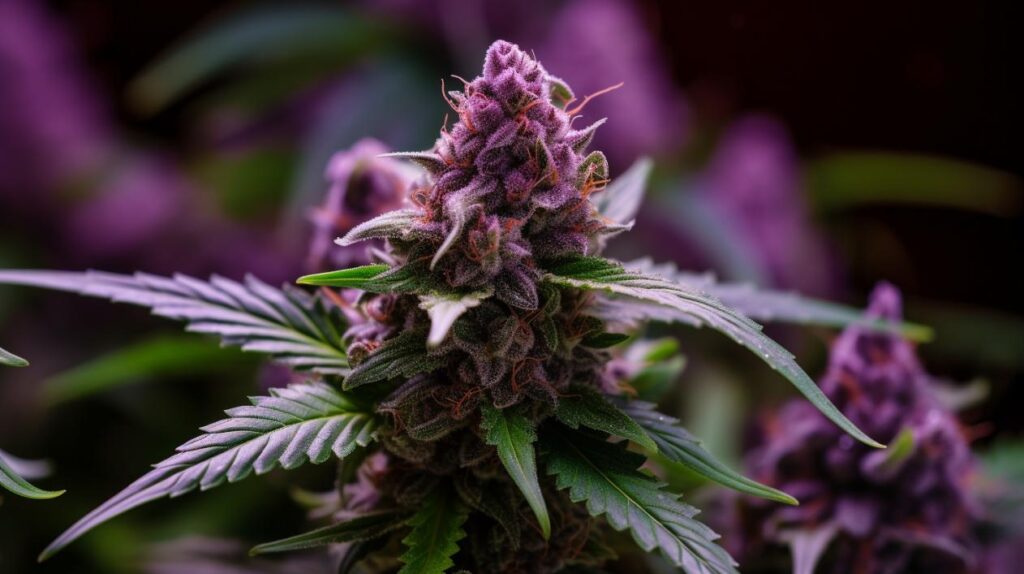
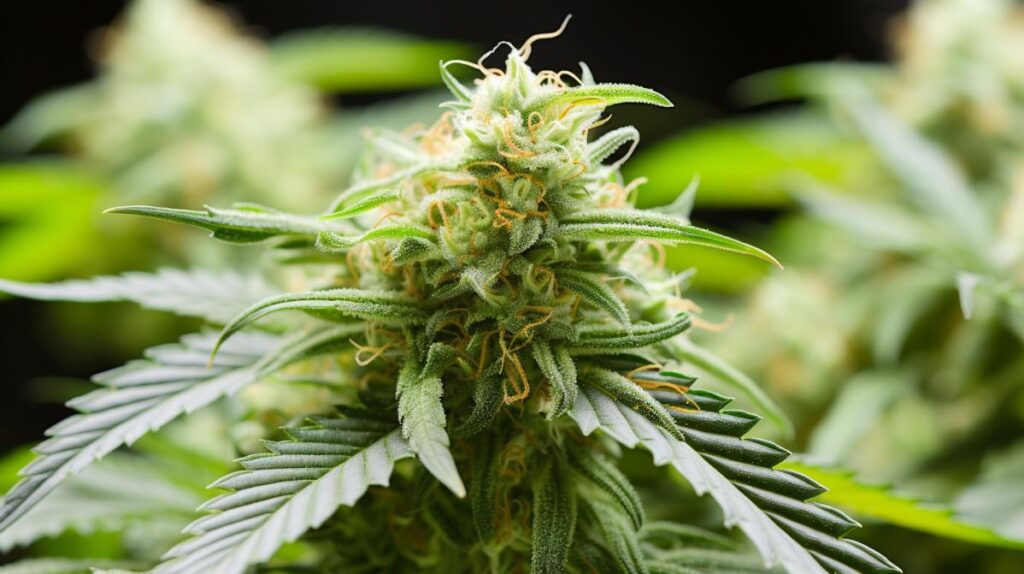
With its dense, medium-sized buds adorned in a deep forest green hue, fiery orange pistils, and a frosty layer of trichomes, Kush Mints boasts an appearance indicative of its potency and top-tier quality. The green color of the foliage is complemented by the darker, broad leaves and the almost iridescent silver-white sheen of the trichomes, signaling a rich cannabinoid profile. This strain presents a visual feast that hints at its complex genetic heritage and meticulous cultivation.
| Aspect | Description |
|---|---|
| Bud Structure | Dense, medium-sized, adorned in forest green |
| Pistils & Leaves | Fiery orange pistils, dark green broad leaves |
| Trichomes | Frosty, silvery-white layer, high kief content |
The lime-green buds interlaced with fuzzy amber stripes underscore the strain’s aesthetic appeal, which is as much a draw for connoisseurs as its flavor profile.
Grow Information
Cultivators of Kush Mints can expect an adaptable plant that responds well to various growing techniques, including both soil and hydroponic systems. This hybrid is known for its versatility and ease of growth, making it an excellent choice for both novice and experienced growers. When grown in soil, Kush Mints delivers a robust flavor profile, while hydroponic systems can potentially increase yield and allow for greater control over nutrient profiles.
- Flowering Time: Approximately 8-9 weeks for optimal maturity.
- Climate: Prefers a warm and dry climate, whether indoors or outdoors.
- Pruning: Regular trimming is necessary to manage growth and air circulation.
- Yield: Expect moderate to high harvests, contingent on growing conditions and care.
- Techniques: Adapts well to techniques like SCROG or SOG to maximize space and light exposure.
Adverse Effects
Despite its popularity among cannabis enthusiasts, the Kush Mints strain can induce certain adverse effects, particularly when consumed in higher doses. Cannabis consumers should be aware that common adverse effects include dry eyes and dry mouth, symptoms often associated with marijuana use due to its impact on the salivary glands.
Additionally, the Mints strain may cause dizziness or lightheadedness, which can be unsettling for new or sensitive users. At higher potencies, it may lead to a state of couch-lock, a condition where users find themselves overwhelmingly sedated and unable to muster the energy for physical activity.
Moreover, some individuals may experience heightened paranoia or anxiety, which underscores the importance of starting with low doses and carefully gauging one’s tolerance to mitigate these potential adverse effects.
Comparisons with Similar Strains
The Kush Mints strain distinguishes itself from comparable varieties through a unique flavor profile and balanced therapeutic effects. As an experienced analyst of cannabis cultivars, it’s evident that Kush Mints offers a distinct experience:
- Flavor: A refreshing minty taste sets it apart from the more common earthy or citrus flavors prevalent in other strains.
- Effects: It provides a harmonious blend of relaxation and alertness, unlike strains that lean heavily towards sedation or stimulation.
- Aroma: The combination of sweet woods and spicy coffee undertones with a mint accent is particularly unique.
- Medicinal Benefits: Kush Mints excels in treating a spectrum of conditions such as chronic pain and depression.
- Cultivation: Its moderate to high yields and shorter flowering time make it a favorable option for growers.
Research and Studies
Investigation into the Kush Mints strain reveals a consistent pattern of efficacy in addressing chronic pain and anxiety, as supported by patient-reported outcomes and preliminary clinical research.
Empirical studies, including controlled animal trials, have begun to elucidate the mechanisms by which this strain’s unique terpene profile contributes to its analgesic and anxiolytic properties.
The minty flavor, a hallmark of Kush Mints, is not only a sensory hallmark that appeals to cannabis aficionados but also suggests the presence of specific terpenes known for their therapeutic effects.
As research progresses, the combination of anecdotal evidence and scientific rigor promises to validate the experiences of users who have found relief through this particular cultivar, further positioning Kush Mints as a strain of interest within both medicinal and recreational cannabis circles.
Frequently Asked Questions
Is Kush Mints a Sativa or Indica?
Regarding the classification of cannabis strains, the presence of minty terpenes often does not dictate whether a strain is sativa or indica. Hybrid benefits are maximized through expert cultivation techniques, balancing both sativa and indica traits.
Is Zkittlez Kush Mints a Sativa or Indica?
Zkittlez Kush Mints’ classification hinges on terpene analysis and growing techniques, with its flavor profile suggesting a hybrid nature. Detailed examination reveals a balance, yet the specific sativa or indica dominance remains undetermined.
How Does Kush Mints Make You Feel?
The described effects, including euphoric relaxation, mental clarity, and creative inspiration, suggest a cannabis strain that provides a balanced blend of cerebral and physical benefits, leading to a multifaceted user experience.
Is Mintz a Sativa or Indica Strain?
Mint genetics, particularly in cannabis strains, often feature a blend of Sativa and Indica lineages. The flavor profile depends on the precise hybridization and growing techniques, which can influence the expression of terpenes.
Conclusion
In conclusion, the Kush Mints strain emerges as a noteworthy hybrid, proficiently combining the genetics of Animal Mints and Bubba Kush to produce a distinctive minty flavor and a balanced spectrum of effects.
Its significant THC content renders it a powerful option for alleviating various ailments, while its terpene profile contributes to its unique aromatic qualities.
Cultivation information and potential adverse reactions are critical for informed usage. Comparative analysis and scientific research underscore its therapeutic potential, solidifying its status in cannabis culture.

Responses