
Lemon Poppers (aka Lemon Popper)

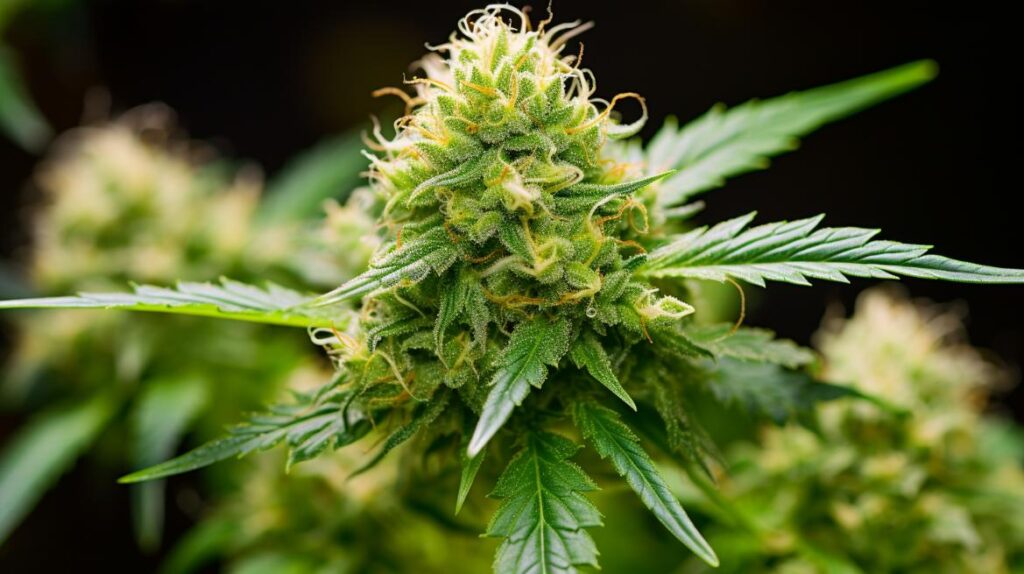
The Lemon Poppers strain, a 50/50 hybrid of Lemon Tree and Gelato 41, stands out for its balanced indica and sativa traits. Its THC levels range between 21% to 23%, indicating potency. The flavor profile boasts a creamy sour lemon gelato taste, complemented by vanilla and berry undertones, thanks to its terpene blend of Limonene, Myrcene, and Caryophyllene. Users report effects such as euphoria, giggles, and a tingling body sensation, accentuated by its unique aroma and flavor. Medical uses include potential relief from depression and inflammation, though CBD content remains unspecified. With purple and green buds covered in white trichomes, its appearance is as appealing as its effects. Discovering more about Lemon Poppers could expose deeper insights into its versatile applications.
Genetic Lineage
The Lemon Poppers strain is a meticulously crafted hybrid, deriving its genetic heritage from the union of Lemon Tree and Gelato 41, two strains renowned for their distinctive flavors and effects. This balanced hybrid encapsulates a 50/50 ratio of indica and sativa, embodying the essence of its parent strains to create a symphony of complex aromas and a multi-layered experience. The Lemon Tree, with its sharp, citrusy profile, imparts a zesty freshness that complements the rich, creamy undertones characteristic of Gelato 41. This fusion not only amplifies the sensory experience but also contributes to a nuanced flavor profile that hints at creamy sour lemon gelato, intertwined with subtle notes of vanilla and berries.
The genetic lineage of Lemon Poppers is not just a validation of its compelling flavor but also to its versatile effects. The combination of Lemon Tree and Gelato 41 genetics results in a harmonious blend that delivers a tingly body high, a hallmark of its indica roots, while also invigorating the mind with the uplifting and euphoric energy typically associated with sativa strains. This unique interplay between relaxation and mental alertness makes Lemon Poppers a standout hybrid, catering to a wide range of preferences and experiences.
THC/CBD Content
Exploring the chemical composition of the Lemon Poppers strain reveals a THC content that ranges between 21% to 23%, positioning it as a notably potent choice for enthusiasts seeking both recreational and therapeutic benefits. This hybrid strain, with its balanced 50/50 ratio of indica and sativa, offers a unique blend of effects that cater to a wide range of cannabis users. Unfortunately, specific information on the CBD content of Lemon Poppers is not currently available, which leaves some uncertainty regarding its potential for non-psychoactive benefits.
- THC Content: Ranges from 21% to 23%, indicating a high potency level.
- Hybrid Nature: Balances the characteristics of both indica and sativa genetics.
- CBD Content: Information is unavailable, leaving a gap in understanding its full therapeutic potential.
- Flavor Profile: Known for its creamy sour lemon gelato flavor, complemented by hints of vanilla and berries.
- Effects: Includes euphoria, mental energy, giggles, and a tingly body high, suggesting a versatile experience for users.
The Lemon Poppers strain stands out as a robust option within the hybrid category. Its notable THC content and balanced genetic composition make it a compelling choice for those seeking a robust and multifaceted cannabis experience.
Terpene Profile
Exploring the terpene profile of the Lemon Poppers strain, one uncovers a complex blend that includes Limonene, Myrcene, and Caryophyllene, each contributing uniquely to the strain’s aroma, flavor, and potential therapeutic effects. Limonene, noted for its vivid citrusy aroma, infuses Lemon Poppers with its distinctively fresh and uplifting scent, suggesting potential mood-enhancing effects that could appeal to users seeking a boost in spirits. This terpene is often associated with a sense of renewal and energy, making it a critical component in the strain’s profile.
Myrcene, another prominent terpene found in Lemon Poppers, is known for its sedative qualities and its ability to aid in relaxation. Its presence is believed to contribute to the strain’s calming effects, potentially offering relief from tension and aiding in sleep. This terpene adds a subtle earthy note to the overall flavor profile, grounding the citrusy sharpness of Limonene with its musky undertones.
Caryophyllene introduces a spicy, peppery layer to the Lemon Poppers experience, enriching its flavor complexity. Beyond its culinary appeal, Caryophyllene is recognized for its anti-inflammatory properties, adding a therapeutic dimension to the strain’s profile. This synergy of terpenes within Lemon Poppers illustrates the sophisticated interplay between aroma, flavor, and potential health benefits, offering a holistic understanding of its appeal and efficacy.
Effects
Exploring the effects of the Lemon Poppers strain reveals a unique combination of sensations, including arousal, giggles, and an enhanced focus, as reported by a small group of users. This insight, sourced from readers, underscores the multifaceted impact that Lemon Poppers can have on its consumers. Importantly, these effects are not a replacement for professional medical advice but offer a glimpse into the potential experiences one might expect.
The reported effects of Lemon Poppers include:
- Arousal: Users may experience a heightened sense of arousal, contributing to its popularity for recreational use.
- Giggles: A common response, indicating the strain’s potential to elevate mood and induce laughter.
- Focus: Some users report an unexpected boost in focus, making it unique among strains that typically induce relaxation.
- Dry Mouth: A frequently mentioned downside, suggesting the need for hydration when using this strain.
- Dry Eyes: Another common negative effect, which users should be prepared for.
It’s important to remember that these effects are based on anecdotal evidence and that individuals should seek advice from a health professional before using the Lemon Poppers strain. This advice is essential to ensuring that use is appropriate and beneficial for one’s specific health needs.
Medical Uses
A notable percentage of Lemon Poppers users, specifically 11%, report experiencing significant relief from symptoms of depression and inflammation, highlighting the strain’s potential medical applications. This information, primarily sourced from user feedback, underscores the significance of considering individual experiences when evaluating the therapeutic benefits of cannabis strains. The Lemon Poppers strain, in particular, has gained attention for its potential to positively affect mood and reduce inflammation, making it a subject of interest for both users and medical professionals.
It’s important to note that while these reports offer valuable insights into the strain’s possible health benefits, they should not be taken as professional medical advice. Individuals interested in exploring Lemon Poppers for its medical applications are strongly advised to seek guidance from a qualified healthcare provider. This professional consultation guarantees that the use of the strain is appropriate for their specific health needs and circumstances.
The medical community continues to explore the therapeutic potentials of various cannabis strains, including Lemon Poppers. As research progresses, it becomes increasingly important to balance anecdotal evidence with scientifically backed data to fully understand and harness the medical benefits of cannabis.
Flavor and Aroma
Exploring the sensory experience of the Lemon Poppers strain, its flavor and aroma offer a unique and attractive combination of gassy, tart, and earthy lemon characteristics, enhanced by hints of exotic spices. This remarkable blend contributes to a rich and immersive cannabis experience, appealing to both seasoned and novice users alike.
The flavor profile of Lemon Poppers is particularly remarkable for its complexity, blending sour, tart, and earthy tones with an undercurrent of exotic spices that intrigue the palate.
The strain’s aromatic profile is equally compelling, with:
- Sour and citrus notes that invigorate the senses
- A gassy undertone that adds depth to the aroma
- Earthy hints that ground the scent profile
- A reminder of happy hour through its inviting and pleasant aroma
- A complex blend of scents that enhance the overall consumption experience
These elements combine to create an aromatic profile that is not only pleasant and inviting but also reminiscent of a joyous happy hour, making the Lemon Poppers strain a standout choice for those seeking an enriched flavor and aromatic experience in their cannabis selection.
Appearance
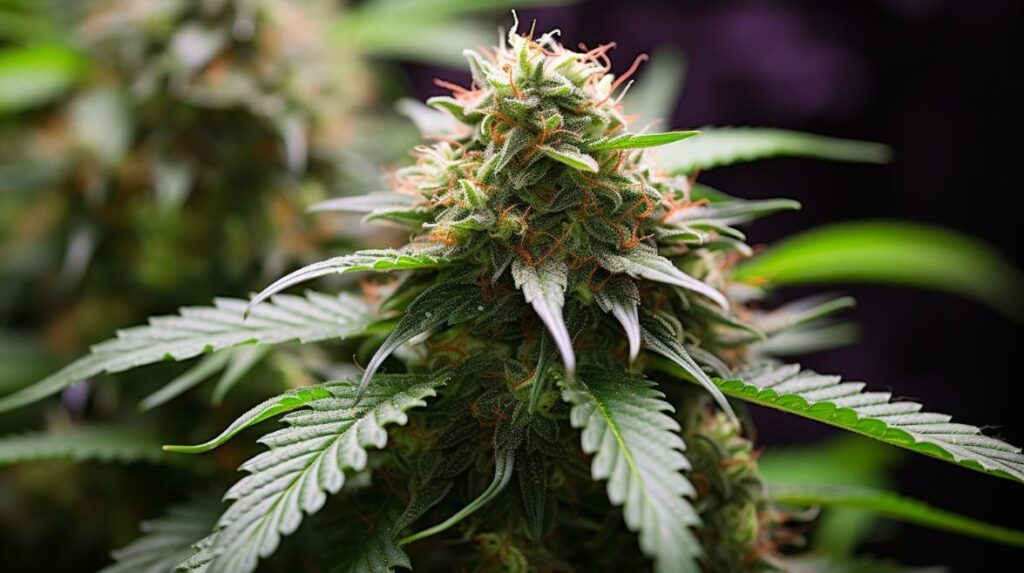
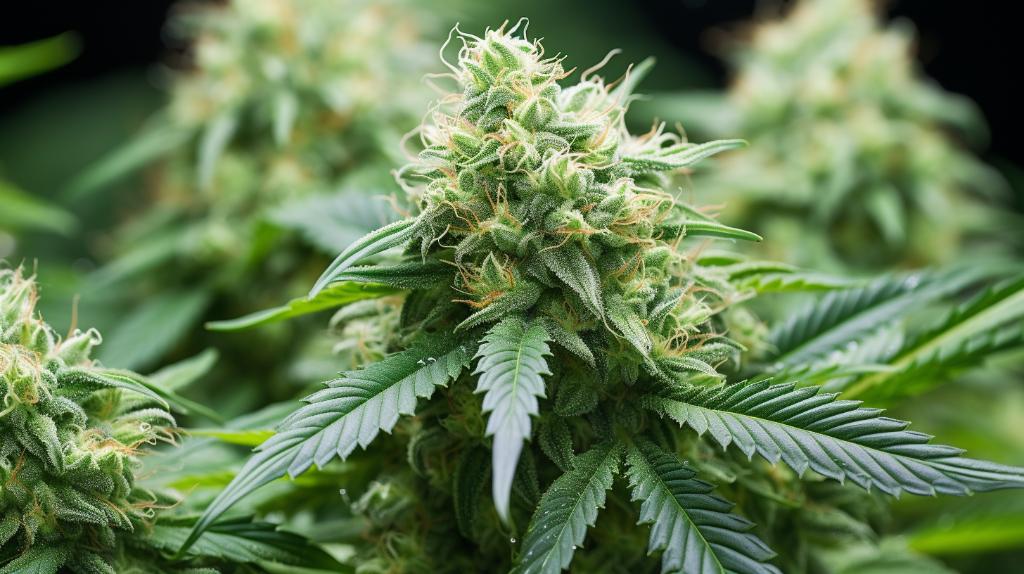
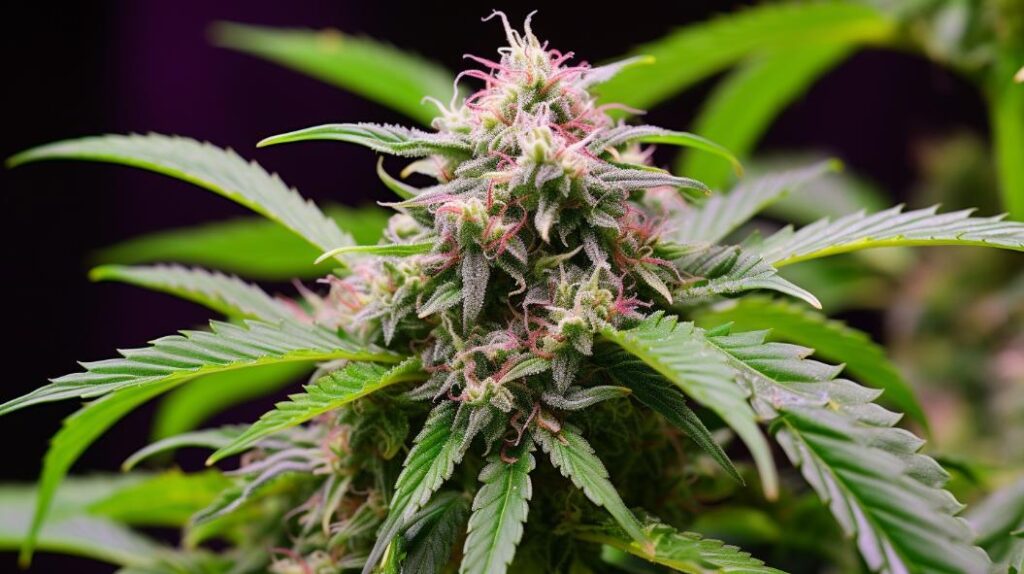
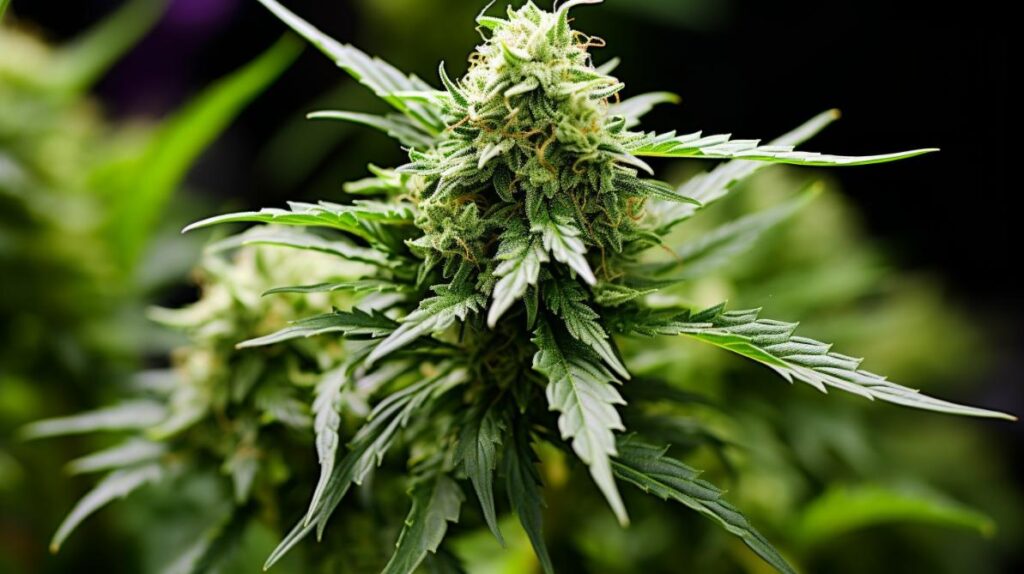
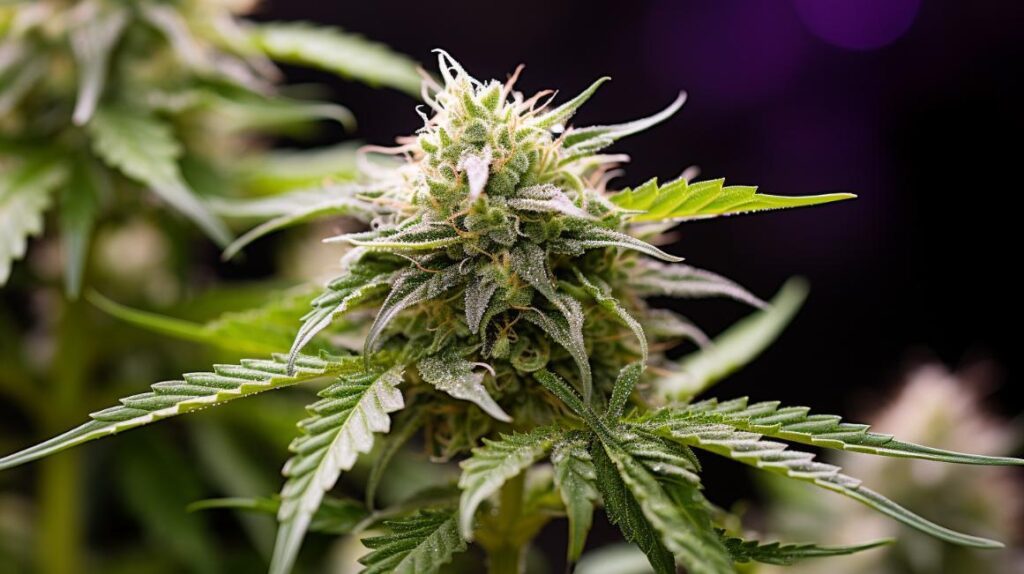
Beyond its alluring flavor and aroma, the Lemon Poppers strain presents an equally impressive appearance, characterized by purple and green compact buds lavishly coated with abundant white trichomes. The trichome coverage is not merely a superficial characteristic; it is a reflection of the strain’s careful cultivation and genetic quality. These trichomes, visible as tiny, starry points on the surface of the buds, contribute notably to the strain’s frosty appearance, making it visually appealing and indicative of its potency.
The interplay of colors within the buds, with shades of purple blending seamlessly into green, further enhances their allure. This coloration, combined with the dense trichome coverage, creates a mesmerizing visual spectacle. The buds’ frosty appearance is not just for show; it indicates a high cannabinoid content, suggesting that the Lemon Poppers strain is likely to deliver a potent experience. Additionally, the fact that these buds are currently in the curing process hints at an intention to enhance their potency and flavor, ensuring that the strain’s visual appeal is matched by its quality and strength.
Grow Information
The Lemon Poppers strain, known for its adaptability, flourishes in both indoor and outdoor settings, showcasing its versatility in cultivation environments. This strain’s ability to produce dense, resinous buds in a variety of climates makes it a favorite among cultivators. However, achieving best results requires understanding its specific growth preferences and care requirements.
- Indoor Flowering Time: Approximately 8-9 weeks, allowing for a relatively quick turnover for cultivators.
- Outdoor Yield: Can reach up to 16 ounces per plant, offering a generous harvest for those with the right conditions.
- Climate Preference: Thrives in sunny, Mediterranean-like climates, making it ideal for regions with long, warm summers.
- Plant Height: Grows to a medium height, making it manageable for indoor spaces while still producing substantial yields.
- Bud Characteristics: Produces dense, resinous buds, indicative of its high-quality genetics.
Before cultivating Lemon Poppers, it’s advisable to research thoroughly and, if possible, consult with a health professional or experienced cultivator. While many people say it helps with various conditions, individual experiences may vary, and it’s important to approach cultivation and use with caution and informed understanding.
Adverse Effects
While the Lemon Poppers strain offers numerous cultivation benefits, it is important to note that some users may experience dry mouth and dry eyes as its primary adverse effects. These reactions are common among various cannabis strains but are particularly notable in the case of Lemon Poppers. The manifestation of dry mouth, also known scientifically as xerostomia, entails a noticeable decrease in saliva production, leading to a feeling of discomfort and thirst. This symptom can be mitigated through increased water intake and the use of saliva-promoting products.
Similarly, dry eyes, a condition characterized by irritation and a gritty sensation in the eyes, is another side effect reported by consumers of Lemon Poppers. This can be attributed to the strain’s potent properties, which can affect tear production, leading to dryness and discomfort. Over-the-counter eye drops designed to lubricate the eyes can offer relief from this condition.
Understanding that these adverse effects, dry mouth and dry eyes, are limited and primarily reported by users of Lemon Poppers, it’s essential for consumers to be aware and take preventative measures when indulging in this strain. Despite these minor inconveniences, Lemon Poppers continues to be a favored choice for its unique characteristics and benefits.
Comparisons with Similar Strains
Acknowledging the adverse effects associated with Lemon Poppers, it becomes beneficial to compare this strain with others that exhibit similar attributes, to better understand its position within the cannabis market. While exploring options, individuals often seek information from dispensaries near them, searching for strains with similar effects to tailor their cannabis experience more closely to their preferences.
-
Order Lemon Poppers online for same-day pickup or delivery in Czechia, offering convenience and immediate access to this strain.
-
Find dispensaries offering similar strains for comparison, enabling users to make informed decisions based on a variety of options.
-
Explore nearby dispensaries carrying Lemon Poppers or related varieties, ensuring that consumers have the information needed to locate these products easily.
-
Discover strains with comparable effects to Lemon Poppers for a tailored experience, allowing individuals to experiment with alternatives that may better suit their needs.
-
Check availability of Lemon Poppers and similar strains in nearby locations for convenience, simplifying the process of obtaining preferred cannabis products.
It’s important to remember that information on strains and their effects should not be used as a substitute for professional medical advice.
Research and Studies
Numerous studies have explored the Lemon Poppers strain, highlighting its potential in energizing users and alleviating symptoms of depression and inflammation. This body of research underscores the importance of consulting a professional before using cannabis for health purposes, emphasizing its impact on real people’s lives. Studies have also documented the strain’s unique ability to induce feelings of arousal, giggles, and focus, which contribute to its therapeutic and recreational appeal.
The aromatic profile and flavors of Lemon Poppers have received positive reviews, contributing greatly to its popularity among consumers. These sensory qualities not only enhance the user experience but also play a role in the strain’s effectiveness in managing specific health concerns.
| Aspect of Study | Findings |
|---|---|
| Effects | Energizing, induces arousal, giggles, and focus |
| Health Benefits | Alleviates symptoms of depression and inflammation |
| Consumer Feedback | Positive reviews on aromatic profile and flavors |
It’s noteworthy that while Lemon Poppers has been reported to help with depression and inflammation, this information is largely sourced from individual experiences. Therefore, it’s crucial for individuals to seek professional medical advice before considering its use for health-related purposes.
History and Origin
The Lemon Poppers strain, a unique blend of Lemon Tree and Gelato 41, marks a significant development in cannabis genetics, offering a balanced mix of indica and sativa traits. This hybrid strain embodies the innovative spirit of breeders aiming to satisfy a diverse palette of cannabis enthusiasts. By combining the distinctive flavors and effects of Lemon Tree and Gelato 41, Lemon Poppers emerges as a standout variety in the world of hybrid cannabis strains.
-
Genetic Lineage: Born from the crossing of Lemon Tree with Gelato 41, Lemon Poppers inherits a rich genetic background that contributes to its unique characteristics.
-
Flavor Profile: It boasts a creamy sour lemon gelato flavor, enriched with subtle hints of vanilla and berries, making every puff a delightfully aromatic experience.
-
Balanced Effects: With a 50/50 ratio of indica to sativa genetics, it offers users a perfectly balanced effect, combining mental energy and euphoria with a relaxing body high.
-
THC Content: Lemon Poppers has a potent THC range of 21% to 23%, catering to those seeking a strong, yet enjoyable high.
-
Desired Outcomes: Users often report feelings of euphoria, enhanced mental energy, giggles, and a pleasant tingly sensation throughout the body, making it a favorite for recreational and therapeutic use alike.
This hybrid strain’s history and origin story reflect a thoughtful and deliberate effort to create a cannabis strain that stands out for its balanced effects, delightful flavors, and high potency.
Frequently Asked Questions
What Is Lemon Poppers Strain?
The subject query pertains to a hybrid cannabis variety with a genetic lineage from Lemon Tree and Gelato 41. Known for its distinct flavor profile, it combines creamy sour lemon with vanilla and berry notes. Cultivation tips include maintaining balanced humidity.
Is Lemon Strain a Sativa or Indica?
The Lemon strain displays a mixture of sativa and indica genetics, stemming from intentional hybridization to enrich its varied terpene profile and flexibility to different climates, showcasing the intricacy of sativa-indica hybridization in cannabis cultivation.
What Strain Is Lemon Pepper?
Lemon Pepper is distinct from Lemon Poppers, characterized by its unique genetics. Cultivation tips highlight its robust growth, while its flavor profile offers zesty, spicy undertones. This strain’s origins and cultivation influence its distinctive attributes.
What Are the Effects of Lemon Popperz?
The effects of consuming this product include enhanced focus and mood elevation, attributed to its distinct flavor profile. Various consumption methods can influence these outcomes, alongside potential medical benefits like alleviating depression and inflammation.

Responses