
Pineapple Punch

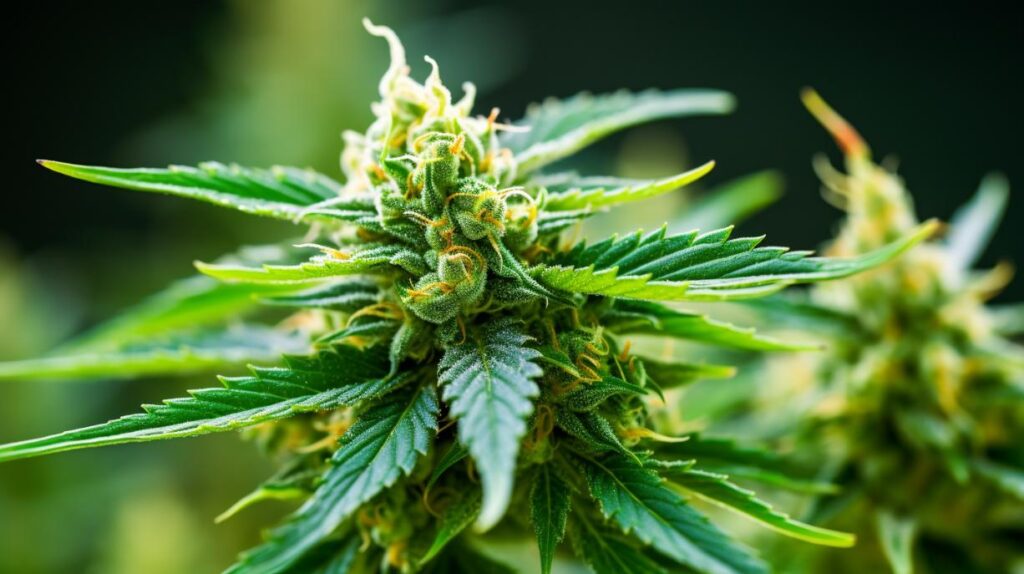
Pineapple Punch, a sativa-dominant hybrid, strikes a perfect balance between energizing and calming effects, thanks to its Skunk #1 and Hawaiian indicia Real McCoy parentage. With THC levels ranging from 13% to 15%, it offers moderate psychoactivity, making it beneficial for mood swings, depression, pain, and promoting creativity. The strain carries a lively tropical aroma and a complex flavor, attributed to a unique terpene blend of myrcene, caryophyllene, and limonene, enhancing its therapeutic potency. Despite its commendable qualities, users should note the potential for paranoia and anxiety. Further exploration reveals a profound understanding of its nuanced benefits and applications.
Key Takeaways
- Pineapple Punch is a sativa-dominant hybrid strain, blending Skunk #1 with Hawaiian indica Real McCoy.
- Features a tropical and fruity aroma with a complex flavor profile, reflecting its genetic lineage.
- Offers moderate THC content (13%-15%) and a CBD level at 1%, suitable for treating mood swings, depression, pain, and muscle spasms.
- Terpene profile includes myrcene, caryophyllene, and limonene, contributing to its relaxing, anti-inflammatory, and mood-enhancing properties.
- Grows as a medium stature, bushy plant with dense buds, ideal for indoor cultivation due to its compact structure and quick flowering time.
Genetic Lineage
The genetic lineage of Pineapple Punch, a sativa-dominant hybrid strain, is intricately woven from the Skunk #1 and the Hawaiian indica known as Real McCoy, endowing it with its distinctive tropical and fruity aroma. This unique combination brings together the robust, earthy undertones of Skunk #1 with the sweet, revitalizing essence of the Hawaiian indica, creating a sensory experience that is both invigorating and soothing. The heritage of Pineapple Punch is a proof of the careful and deliberate crossbreeding efforts aimed at achieving a balance between energizing sativa effects and the calming influence of indica strains.
The blend of these genetic contributors imparts Pineapple Punch with a complex flavor profile that encapsulates the essence of its lineage. The presence of the Hawaiian indica, in particular, is pivotal in infusing the strain with its characteristic notes of tropical paradise, reminiscent of a rejuvenating fruity cocktail. This genetic makeup not only influences the strain’s aromatic and flavor characteristics but also its therapeutic potential, providing a versatile option for consumers seeking relief from mood swings, depression, and pain without compromising on sensory enjoyment. The careful selection of Skunk #1 and the Real McCoy as progenitors for Pineapple Punch exemplifies the art and science behind strain development, resulting in a hybrid that captures the best of both worlds.
THC/CBD Content
Pineapple Punch’s unique chemical composition, marked by a THC content ranging from 13% to 15% and a CBD level at 1%, positions it as a strain with moderate psychoactive potential while still offering therapeutic benefits. Despite its relatively moderate THC levels, Pineapple Punch is noted for occasionally causing paranoia and anxiety in some users, which underscores the importance of understanding one’s own tolerance and reaction to cannabis. However, its CBD content, albeit low, contributes to its medical applications, making it suitable for treating conditions such as mood swings, depression, pain, and muscle spasms.
The creation of Pineapple Punch through the crossing of Real McCoy with Skunk #1 has resulted in a strain that not only inherits a unique genetic makeup but also showcases a balanced profile that leans slightly towards indica effects. This genetic lineage contributes to its ability to provide a relaxing and couch-lock experience, making it a preferred choice for evening use or for those seeking relief from the stresses of daily life. Its specific chemical composition makes Pineapple Punch an interesting strain for both recreational and medical cannabis users, offering a nuanced experience that combines psychoactive effects with potential therapeutic benefits.
Terpene Profile
Exploring the terpene profile of the Pineapple Punch strain, one uncovers a rich blend of myrcene, caryophyllene, and limonene, each offering unique effects and aromas to this distinctive cannabis variety. Myrcene, recognized for its sedative qualities, lays the foundation for the strain’s relaxing aura. It’s this terpene that contributes heavily to the Pineapple Punch strain’s ability to soothe and calm, making it a favorite among those seeking a tranquil escape.
Caryophyllene, with its potential anti-inflammatory and pain-relieving properties, adds a layer of therapeutic value to the Pineapple Punch strain. This spicy terpene not only enhances the strain’s health-focused appeal but also complements its flavor profile with a peppery kick, enriching the overall experience.
Limonene, the final key player in this terpene trio, infuses the Pineapple Punch strain with a invigorating citrus aroma. Beyond its delightful scent, limonene is believed to offer mood-enhancing benefits, adding an uplifting note to the strain’s character. Together, the synergy of myrcene, caryophyllene, and limonene in the Pineapple Punch terpene profile not only defines its unique flavor but also broadens its potential therapeutic applications, making it a multifaceted choice for both recreational and medicinal users.
Effects
Building on the understanding of its terpene profile, the effects of the Pineapple Punch strain present a complex interplay of energy, creativity, and therapeutic relief. Users of this cannabis strain often report a dynamic experience that propels them into a state of heightened creativity and energy, making it a popular choice for those looking to enhance their artistic or work-related endeavors. However, the experience can be as nuanced as it is vibrant, with some individuals noting a spectrum of less desirable effects.
To draw the audience in and keep them interested, consider these three key effects of Pineapple Punch:
-
Energizing and Creativity Boost: The high THC potency contributes to a powerful burst of energy and sparks creativity, ideal for artistic projects or brainstorming sessions.
-
Arousing Qualities: Beyond its stimulating impact on the mind, Pineapple Punch is noted for its arousing effects, adding a sensual dimension to its repertoire.
-
Potential for Paranoia and Anxiety: Despite its many positive attributes, the strain’s potency means it can also lead to feelings of paranoia or anxiety in some users, highlighting the importance of moderation and individual sensitivity.
The cannabis community values Pineapple Punch for its complex profile of effects, offering a multifaceted experience that caters to both recreational enjoyment and creative stimulation.
Medical Uses
The medical applications of the Pineapple Punch strain are remarkably varied, addressing conditions such as mood swings, depression, pain, and muscle spasms with its unique combination of cannabinoids. Derived from crossing Real McCoy with Skunk #1, this strain inherits a sativa dominance that contributes to its beneficial effects. Despite its moderate THC content of 13% to 15% and CBD levels at 1%, Pineapple Punch is potent in providing relief, though it may cause paranoia and anxiety in some users. Hence, individuals are encouraged to seek the advice of a medical professional before using it for therapeutic purposes.
| Condition | Benefit |
|---|---|
| Mood Swings | Helps stabilize emotional fluctuations |
| Depression | Offers uplifting and mood-enhancing effects |
| Pain | Alleviates chronic pain through its analgesic properties |
| Muscle Spasms | Reduces the frequency and intensity of spasms |
| Anxiety & Paranoia | Potential side effects; caution advised |
Analyzing the Pineapple Punch strain’s medical uses reveals a versatile remedy, particularly for those battling mood disorders, depression, and physical discomfort. However, its side effects underscore the importance of moderation and professional guidance.
Flavor and Aroma
Exploring the Pineapple Punch strain reveals a captivating bouquet of tropical scents, prominently featuring pineapple and grapefruit, which enriches the overall sensory experience for users. This strain stands out for its vivid flavor profile that mirrors the aromatic promises of its name. The sweet and fruity smoke or vapor it produces is a direct homage to its lineage, offering a taste that is both invigorating and unmistakably tropical.
For those seeking to deepen their understanding or simply to savor the unique characteristics of this strain, consider the following aspects:
-
Tropical Sensory Experience: The dominant flavors of pineapple and tropical citrus, alongside sweet floral notes, create a lush, immersive experience reminiscent of a tropical getaway.
-
Sweet and Fruity Smoke: The flavor translates into a sweet, fruity smoke or vapor that is as enjoyable as it is distinctive, making it a favorite among both new and seasoned users.
-
Comparison with Similar Strains: People drawn to Pineapple Punch often find pleasure in exploring other strains with similar effects, discovering a world of tropical and fruity aromas that enhance their sensory palette.
This strain’s unique and enjoyable sensory experience sets it apart, making it a sought-after choice for those looking to explore the flavorful depths of cannabis.
Appearance
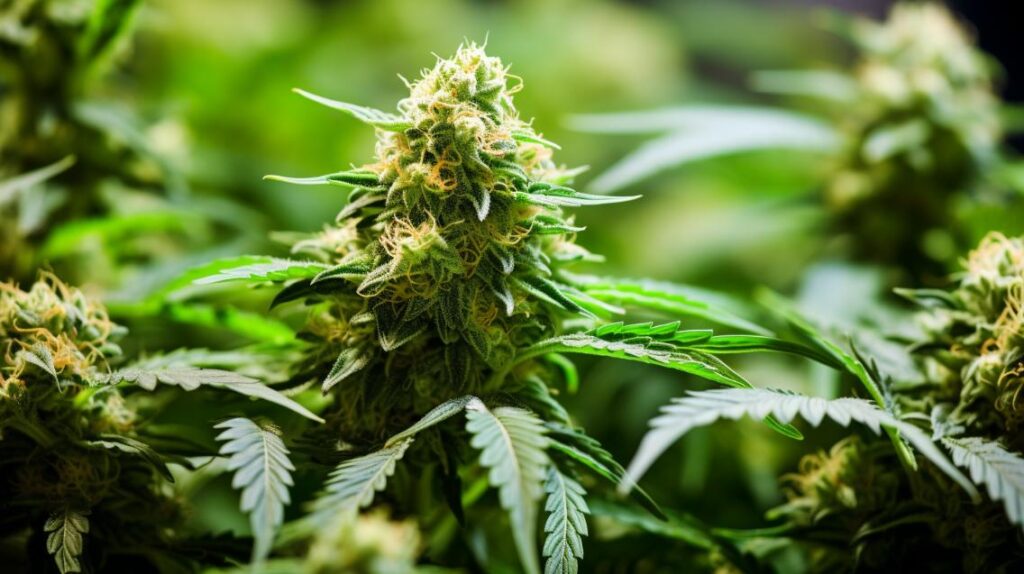
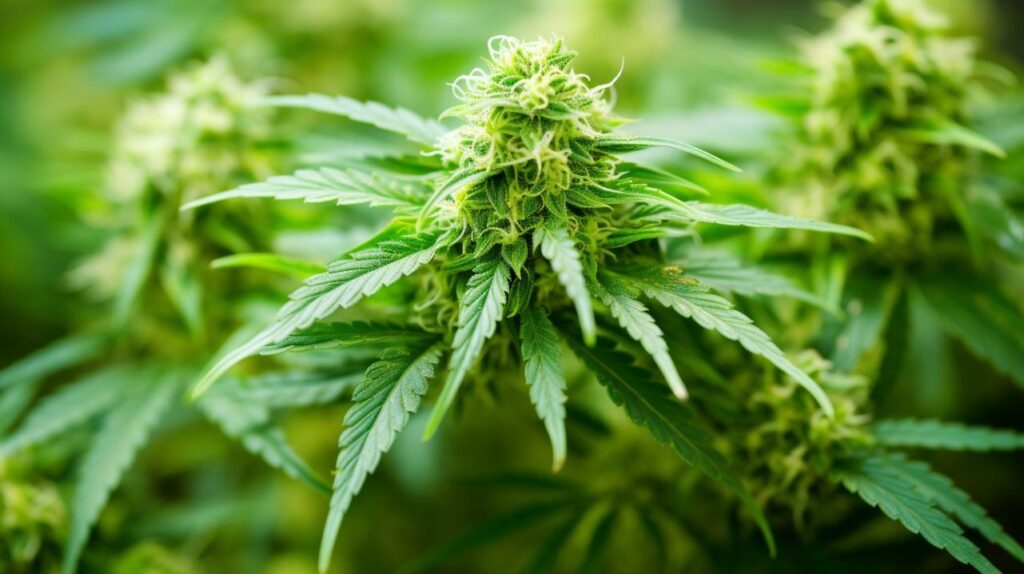
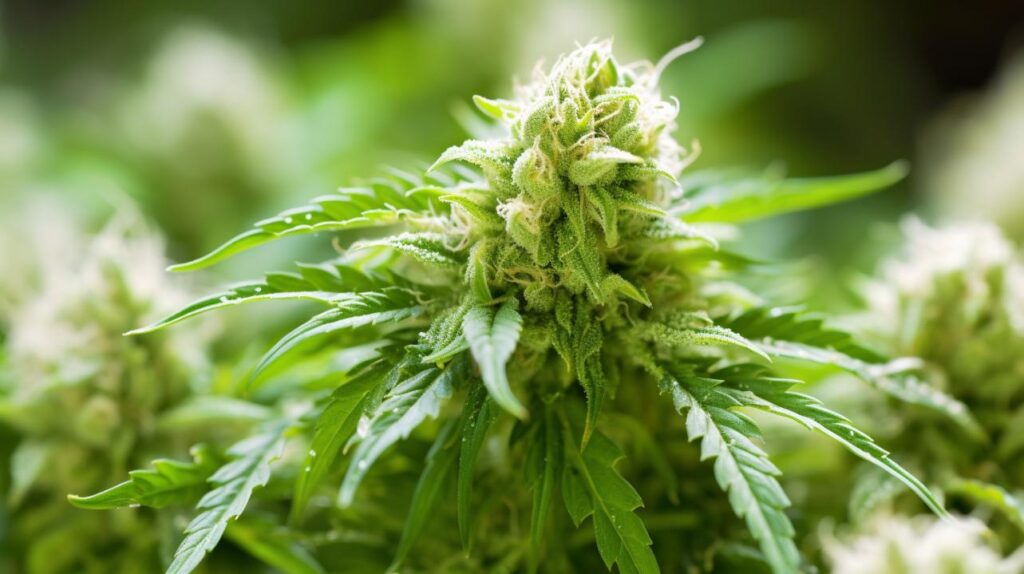
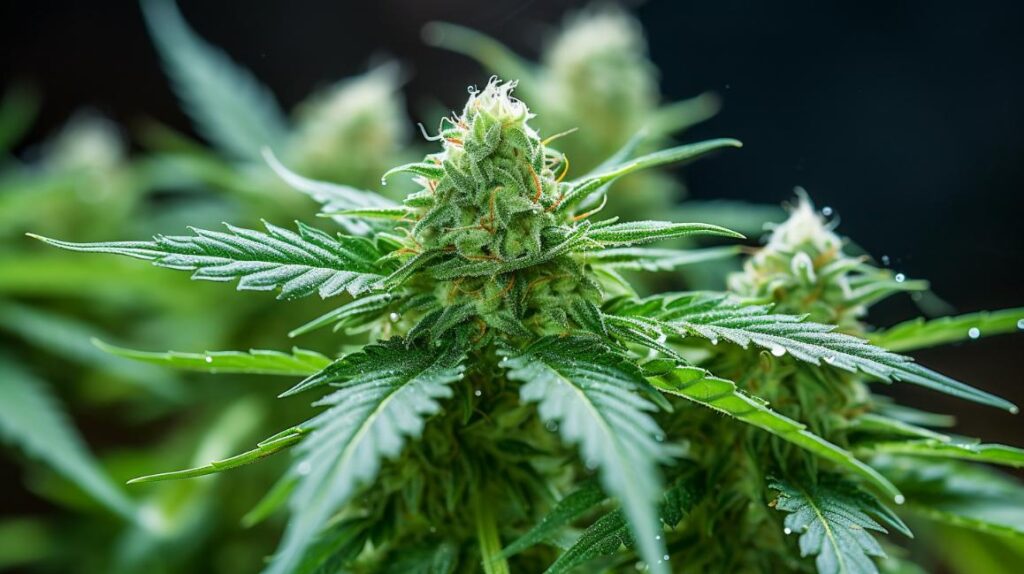
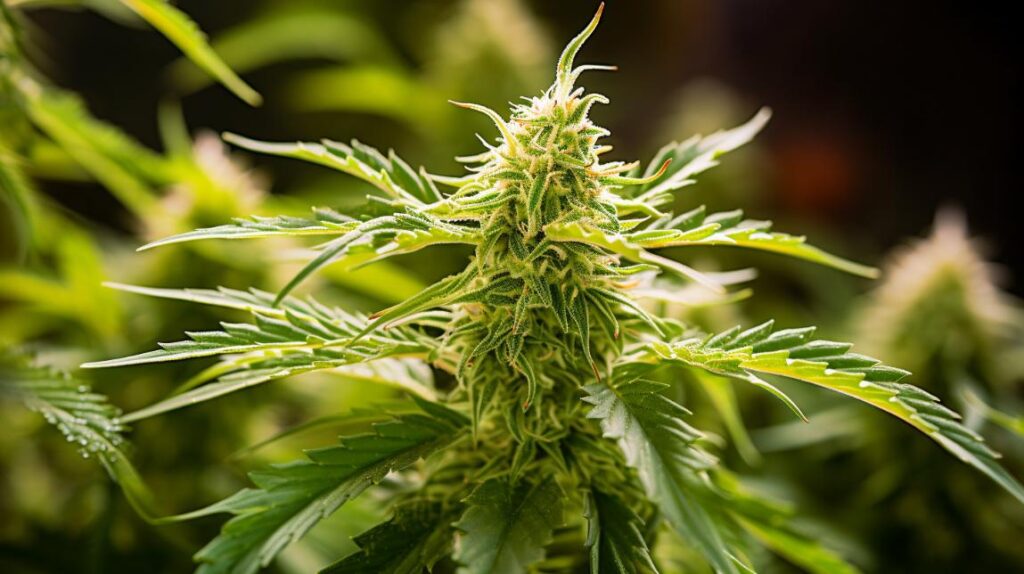
Upon first glance, the Pineapple Punch strain captivates with its dense buds, adorned with a vivid green hue and bright orange pistils, presenting a visual feast that is as enticing as its aroma. This cannabis strain’s aesthetic appeal is further enhanced by the generous covering of trichomes that confer a frosty appearance and a distinctly sticky texture, making it a standout in the world of professional cannabis cultivation and selection. The medium-sized buds are characteristic of the strain, showcasing a resinous quality that promises an engaging experience for connoisseurs and casual users alike.
The wide, dark green leaves of the Pineapple Punch plant, with their bushy growth pattern, add to the strain’s visual allure, suggesting robust health and energy. The tropical and fruity aroma that emanates from the buds complements the visual experience, creating a holistic sensory engagement that is both appealing and memorable. For those in the professional cannabis industry, the Pineapple Punch strain represents an exemplary model of how appearance and aroma can synergize to enhance the appeal of a cannabis strain, making it a sought-after choice for both cultivation and consumption.
Grow Information
For cultivators and enthusiasts alike, Pineapple Punch presents an appealing growth profile, characterized by its medium stature and bushy, indica-dominant morphology. This strain’s growth traits make it particularly enticing for those looking to maximize their yield within smaller, controlled environments. Pineapple Punch’s indica genetics are evident in its dense foliage and wide fan leaves, traits that contribute to its robust health and resilience against various environmental stresses. The compact structure and quick flowering time offer a practical advantage for cultivators aiming for efficiency and productivity.
To further draw the audience in, here are three key points to ponder when cultivating Pineapple Punch:
-
Optimal Height Management: With a typical height ranging between 50-80cm, Pineapple Punch is ideally suited for indoor cultivation. Strategic pruning and training techniques can enhance light penetration and air circulation, promoting healthier growth and potentially higher yields.
-
Fast Flowering Period: A flowering time of 65-80 days positions Pineapple Punch as a viable option for cultivators seeking a quick turnaround. This rapid cycle can facilitate multiple harvests within a year, offering a consistent supply of product.
-
High Resin Production: The dense buds coated in frosty trichomes not only promise potent effects but also indicate high resin production. For those interested in extract and concentrate creation, this strain could provide an abundant source material.
Following this advice can lead to a successful cultivation experience, maximizing the health and yield of Pineapple Punch plants.
Adverse Effects
While Pineapple Punch boasts numerous positive attributes for both consumers and cultivators, it is important to contemplate the potential adverse effects, such as paranoia, anxiety, and dizziness, that some users may experience. These adverse effects are not to be overlooked, as they can greatly impact the overall experience of using this strain. The occurrence of paranoia and anxiety, in particular, underscores the importance of moderation and awareness of one’s own sensitivity to cannabis products. For individuals prone to such conditions, Pineapple Punch might exacerbate existing symptoms, suggesting a need for caution and potentially steering such users towards strains known for milder effects.
Moreover, the commonality of dizziness as a reported side effect adds another layer of consideration, especially for users who may be new to cannabis or this specific strain. It highlights the unpredictable nature of individual reactions to different strains, underscoring the importance of starting with lower doses. Understanding and acknowledging these potential adverse effects is essential for fostering a safe and positive experience with Pineapple Punch. As with any cannabis strain, personal tolerance, context of use, and individual health play pivotal roles in the manifestation and intensity of these effects.
Comparisons with Similar Strains
Several strains share similarities with Pineapple Punch, offering users a variety of options when exploring cannabis varieties with comparable effects and terpene profiles. With the option to order Pineapple Punch online for same-day pickup or delivery, enthusiasts have the convenience to explore and compare at their leisure. Additionally, dispensaries near various locations make it easier for consumers to discover strains that provide a unique experience similar to what Pineapple Punch offers.
Here are 3 key points to take into account when comparing similar strains:
-
Availability in Local Dispensaries: Exploring dispensaries near you can reveal a treasure trove of cannabis strains that mimic the effects and terpene profiles of Pineapple Punch. This not only provides an opportunity for a hands-on examination but also allows for immediate gratification through same-day pickup or delivery options.
-
Comparable Effects and Terpenes: Discovering strains with effects and terpenes akin to those of Pineapple Punch can enhance the user experience by offering a variety of sensory experiences while maintaining the desired outcome.
-
Unique Experience: Finding Pineapple Punch products near you or similar strains in Czechia guarantees a unique and localized experience, tailoring the cannabis journey to individual preferences and availability.
Research and Studies
Exploring into the realm of scientific inquiry, research on the Pineapple Punch strain has illuminated its notable efficacy in ameliorating symptoms of depression, stress, and anxiety. Studies underscore its potential as a therapeutic aid, highlighting a higher THC potency which sets it apart from average strains. This unique genetic makeup, being a 70/30 sativa-dominant hybrid, underpins its uplifting and lighthearted effects, offering a beacon of hope to those traversing the murky waters of mental health challenges.
Clinical trials further reveal that Pineapple Punch can induce feelings of creativity, arousal, and energy, suggesting a multifaceted approach to enhancing mental well-being among real people. However, it’s imperative to acknowledge the scientific data indicating potential negative effects such as paranoia, anxiety, and dizziness in some users. This underscores the importance of seeking professional medical advice before integrating Pineapple Punch or any cannabis strain into one’s wellness regimen.
In essence, while Pineapple Punch holds promising therapeutic value, particularly in mental health care, its application must be approached with caution, informed by both its uplifting potentials and its possible adverse effects.
History and Origin
Exploring the history and origin of the Pineapple Punch strain reveals a rich tapestry of botanical innovation and horticultural expertise. This sativa-dominant hybrid, with a 75% sativa and 25% indica composition, is the result of a meticulous crossbreeding process that underscores the ingenuity of cannabis cultivators.
Here are three pivotal elements in the development of Pineapple Punch:
-
The Real McCoy and Skunk #1 Cross: At the heart of Pineapple Punch’s lineage is the strategic crossbreeding of the Real McCoy with Skunk #1. This combination not only harnesses the robust genetic profiles of both parent strains but also optimizes THC and CBD levels, resulting in a balanced and effective therapeutic and recreational cannabis product.
-
Moderate THC Levels: Despite its moderate THC levels, ranging from 13% to 15%, Pineapple Punch is known for its potent effects, which can cause paranoia and anxiety in some users. This paradox highlights the complexity of cannabis breeding and the importance of understanding individual strain characteristics.
-
Sativa-Leaning Effects: Surprisingly, although sativa-leaning, Pineapple Punch offers a relaxing and couch-lock experience, indicating the nuanced influence of its indica genetics. This blend of effects underscores the skill of the cultivators at Flying Dutchmen in creating a strain that provides a multifaceted cannabis experience.
The history and origin of Pineapple Punch exemplify the collaborative effort between nature and nurture, orchestrated by the expert breeders at Flying Dutchmen, to deliver a distinctive and beloved strain to the cannabis community.
Frequently Asked Questions
What Strain Is Pineapple Punch?
Pineapple Punch is a sativa-dominant hybrid known for its Pineapple genetics and distinct Flavor profile, blending tropical citrus and sweet floral notes. This strain’s energetic and creative effects make it highly sought after.
What Are the Effects of Pineapple Punch Sativa?
The effects of this Sativa strain include increased energy, creativity, and arousal, though it may also induce paranoia and dizziness. Its high THC potency enhances its flavor profile, making it preferred for various consumption methods.
Is Pineapple OG a Sativa or Indica?
Pineapple OG, with its Pineapple genetics and OG lineage, is a slightly indica-dominant hybrid, comprising approximately 60% indica and 40% sativa. This balance offers users a nuanced blend of relaxation and cerebral stimulation.
Is Punch a Sativa or Indica?
The term "punch" in cannabis strains generally refers to varieties that might exhibit hybrid characteristics, blending both sativa and indica traits. Their cultivation methods aim to optimize these properties, offering a balanced, nuanced user experience.

Responses