
Purple Sunset

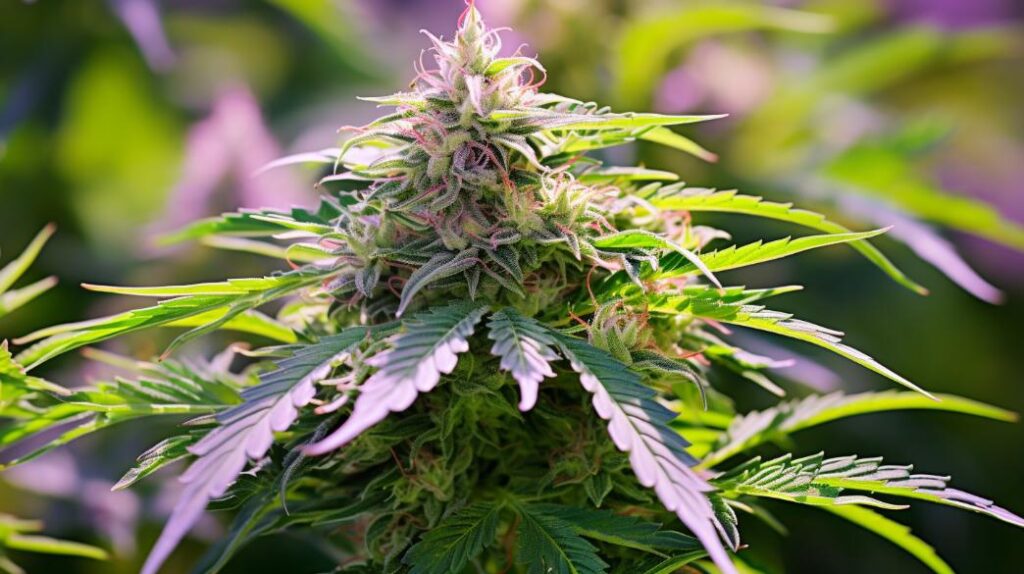
The Purple Sunset strain, a subtly captivating indica-dominant hybrid born from the union of Purple Punch and Mandarin Sunset, presents a complex profile that has intrigued both connoisseurs and casual users. With its remarkable balance of a sweet, fruity taste and a bouquet of therapeutic benefits aimed at stress, anxiety, and beyond, it stands out in the crowded cannabis landscape.
Despite its visual allure and reported creativity-stimulating effects, there remains a wealth of untapped knowledge about its genetic lineage, terpene composition, and optimal cultivation practices. This juxtaposition of widespread appreciation and unexplored potential makes the Purple Sunset strain a topic ripe for further exploration.
Genetic Lineage
The Purple Sunset strain, a meticulously crafted hybrid, emerges from the genetic crossbreeding of Purple Punch and Mandarin Sunset, encapsulating a rich lineage that significantly influences its distinctive flavor profile and potent THC concentration. This combination of genetics from two iconic strains has been ingeniously engineered to create a unique hybrid experience, high in demand for its multifaceted sensory appeal.
Delving into the genetic makeup, Purple Punch, known for its sedating effects and a sweet, berry aroma, contributes to the Purple Sunset’s fruity and floral notes. On the other hand, Mandarin Sunset, with its spicy citrus undertones, lends a zesty complexity to the hybrid’s flavor palette. This melding of genetics not only enriches the aromatic and taste profiles but also plays a crucial role in the strain’s psychoactive properties.
With a THC content that typically hovers around 22%, the Purple Sunset’s lineage is indicative of its potency. Understanding this genetic background is essential for users to anticipate the effects and flavors that this strain can offer. The analytical exploration of its lineage reveals a carefully balanced hybrid, designed to provide a deeply satisfying and multifaceted cannabis experience.
History and Origin
Delving into the history and origin of Purple Sunset unveils a captivating journey through meticulous genetic selection and cultivation practices aimed at achieving a harmonious blend of relaxation and sensory enhancement. This hybrid strain emerges from the crossbreeding of two distinctive parents, Purple Punch and Mandarin Sunset, each contributing unique traits that define Purple Sunset’s allure. The slightly indica-dominant genetic makeup, consisting of 60% indica and 40% sativa, underscores a deliberate effort to balance the strain’s relaxing effects with a spark of creativity and sensory amplification.
The choice of Purple Punch as a parent introduces a lineage renowned for its potent stress-relieving properties and a rich, fruity flavor profile. On the other hand, Mandarin Sunset brings to the mix its own set of characteristics, including an enhanced sweet citrus aroma and an ability to inspire creativity. The amalgamation of these genetic building blocks through advanced breeding techniques has resulted in a strain that not only offers a sweet fruity taste with hints of grape, berry, and violet flavors but also delivers a multifaceted experience characterized by relaxation, creativity, and an increased appetite. This intentional genetic synthesis is a testament to the breeders’ expertise in crafting strains that cater to specific user preferences and therapeutic needs.
THC/CBD Content
Exploring the THC/CBD content of Purple Sunset reveals a distinct profile that underscores its moderate potency and therapeutic potential. With a THC range oscillating between 21% and 22%, this strain showcases a strain average of 21% THC content. This level is notably higher than the average THC content found in many indica strains, which typically hover around 12%. Such a comparison not only highlights Purple Sunset’s robustness but also aligns with Wikileaf data indicating its indica dominance and potency.
The highest recorded THC test for Purple Sunset peaks at 22%, categorizing it as a moderately potent strain within the cannabis market. This potency level situates Purple Sunset within the common range of THC content found across various cannabis strains, offering a balanced experience that could cater to both therapeutic and recreational users. The specific THC content of Purple Sunset, combined with its distinctive aromas, contributes to its appeal and effectiveness. While details on its CBD content are less prominent, the THC levels suggest that Purple Sunset’s primary influence leans more towards psychoactive effects rather than CBD-driven therapeutic benefits.
Terpene Profile
Characterized by its rich terpene profile, the Purple Sunset strain offers a symphony of spicy, floral, and fruity aromas that underscore its unique appeal and complexity. This complexity is not just a matter of olfactory pleasure but also contributes significantly to the strain’s interactive effects with the user, though not delving into the specifics of those effects. The terpenes present, such as citrus, berries, and hints of cloves, create a multidimensional taste experience that is both enticing and profound.
Further analysis reveals:
- The spicy and woody notes in the profile can be attributed to the presence of caryophyllene, a terpene known for its peppery aroma.
- Myrcene contributes to the strain’s herbal and skunky undertones, enhancing the overall sensory experience.
- Limonene and linalool introduce citrus and floral notes, respectively, adding to the complexity with layers of Mandarin and subtle hints of Purple Punch lineage.
- The nuanced grape and berry flavors likely stem from the strain’s genetic background, enriched by its terpene mix, offering a taste profile that is as intricate as its aroma.
The Purple Sunset strain’s terpene profile not only enhances its overall aroma and flavor but also reflects the strain’s genetic heritage, showcasing a well-balanced blend of sensory attributes.
Effects
The Purple Sunset strain, slightly indica-dominant with a THC content of approximately 22%, is recognized for its multifaceted effects, including relaxation, creativity stimulation, and an increase in appetite. Users often report a profound sense of calm shortly after consumption, attributing this to the strain’s potent stress and pain-relieving properties. Its unique terpene profile, highlighted in the previous section, complements these effects by delivering a sweet, fruity taste with distinct notes of grape, berry, and violet, enhancing the overall consumption experience.
| Effect | Description |
|---|---|
| Relaxation | Purple Sunset induces a deep sense of calm, alleviating stress and preparing the mind for rest. |
| Creativity Stimulation | Users report a noticeable increase in creative thinking, making it suitable for artistic endeavors. |
| Appetite Increase | A common effect is a significant boost in appetite, making it ideal for those needing to stimulate hunger. |
Analytically, the Purple Sunset strain’s slightly indica-dominant nature contributes to the user’s relaxation and calmness, while its THC level of around 22% ensures the effects are pronounced and beneficial for a wide range of activities, from creative pursuits to simply unwinding after a long day.
Medical Uses
Building on its recognized effects, Purple Sunset also offers significant medical benefits, particularly in stress and pain management. This strain has carved a niche among medical marijuana patients due to its potent therapeutic properties. Its ability to induce relaxation and elevate mood makes it a preferred choice for managing various conditions without the harsh side effects often associated with conventional medications.
The medical applications of Purple Sunset are vast and diverse:
-
Stress and Anxiety Relief: Its calming properties effectively mitigate symptoms of stress and anxiety, promoting a sense of well-being.
-
Pain Management: Purple Sunset acts on the body’s pain receptors, providing relief from chronic pain and inflammation.
-
Insomnia Treatment: The strain’s sedative effects can help regulate sleep patterns, making it invaluable for individuals suffering from insomnia.
-
Appetite Stimulation: For patients undergoing treatments that suppress appetite, Purple Sunset can help stimulate hunger and ensure adequate nutrition intake.
Flavor and Aroma
Purple Sunset’s aroma offers a complex bouquet, combining sharp, sweet, and earthy undertones with distinctive notes of grapes, orange, cloves, and florals. This intricate aroma profile conjures images of sweet mulled wine, providing a rich and complex aromatic experience that is both inviting and intriguing. The inclusion of grape and orange notes adds a fruity dimension to the aroma, while cloves introduce a spicy edge, and the floral undertones contribute to the overall sophistication of the scent. This blend creates a sensory experience that is reminiscent of walking through a lush, aromatic garden at dusk.
The flavor profile of Purple Sunset further complements its aromatic complexity. Initial woody and spicy notes pave the way for a burst of grape, citrus, and berry flavors, which then evolve into a distinct skunky aftertaste. This progression from spicy and woody to fruity and finally to skunky underlines the strain’s multidimensional character. Users have noted the richness and enjoyability of Purple Sunset’s flavor, highlighting its unique appeal. The combination of citrus and berries with the strain’s other flavor components makes Purple Sunset an enticing option for those seeking a flavorful cannabis experience. Overall, Purple Sunset provides an aromatic and flavorful journey that is both captivating and pleasing to the palate.
Appearance
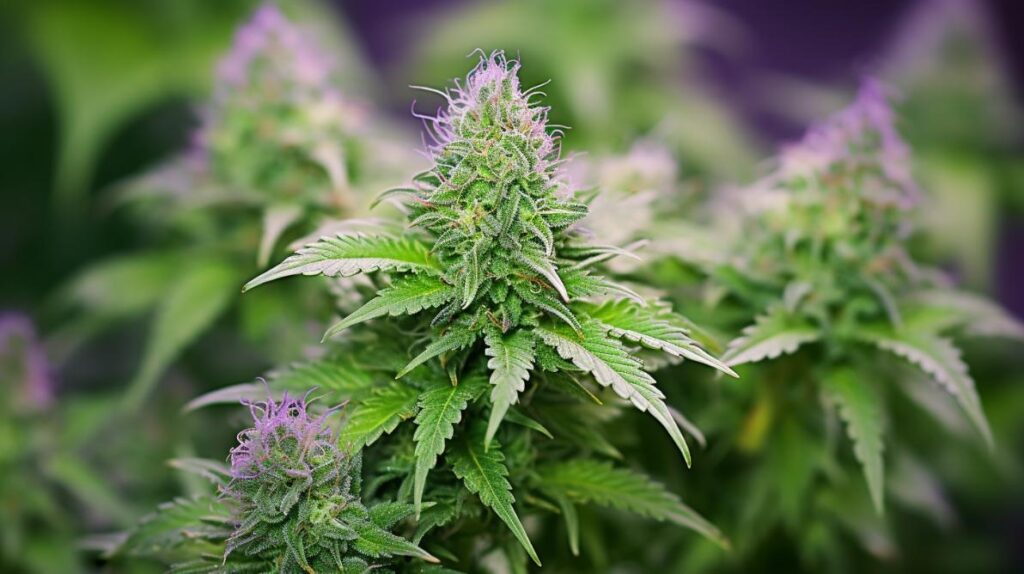
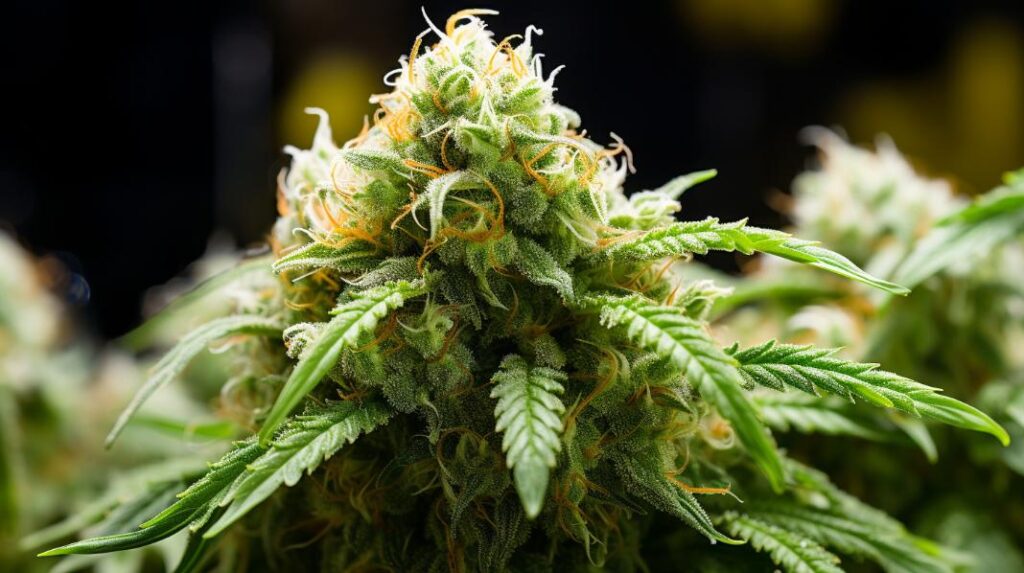
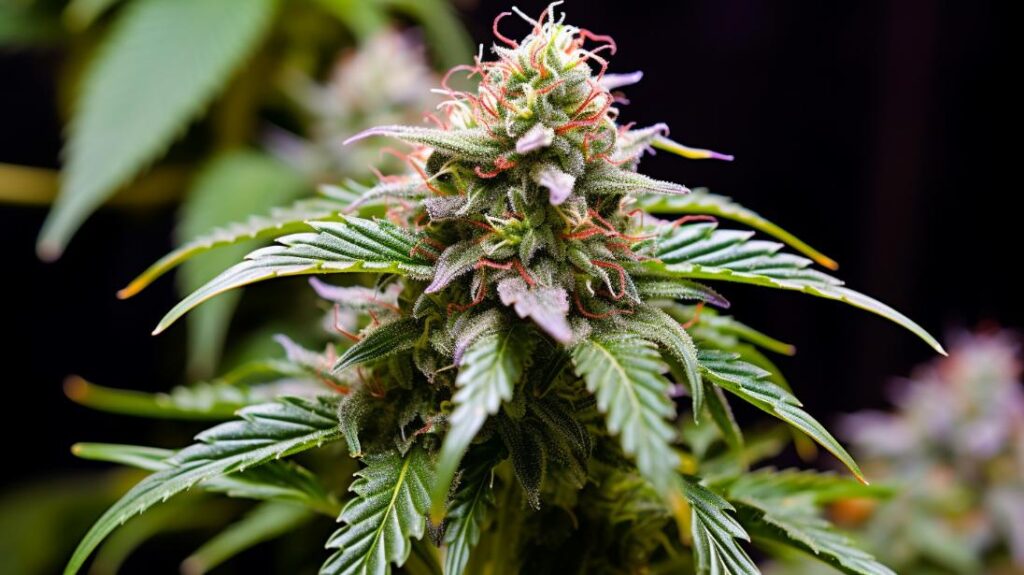
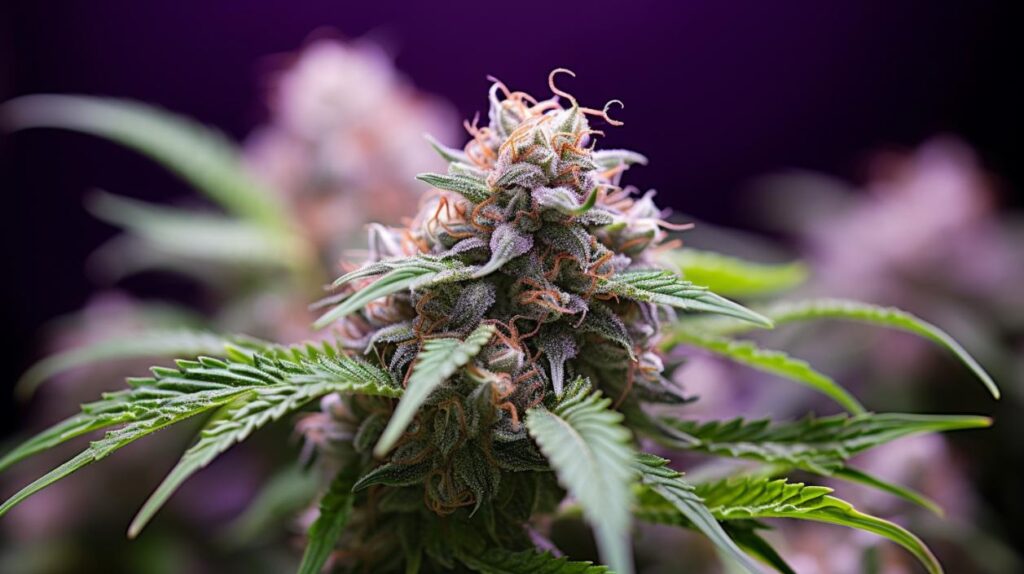
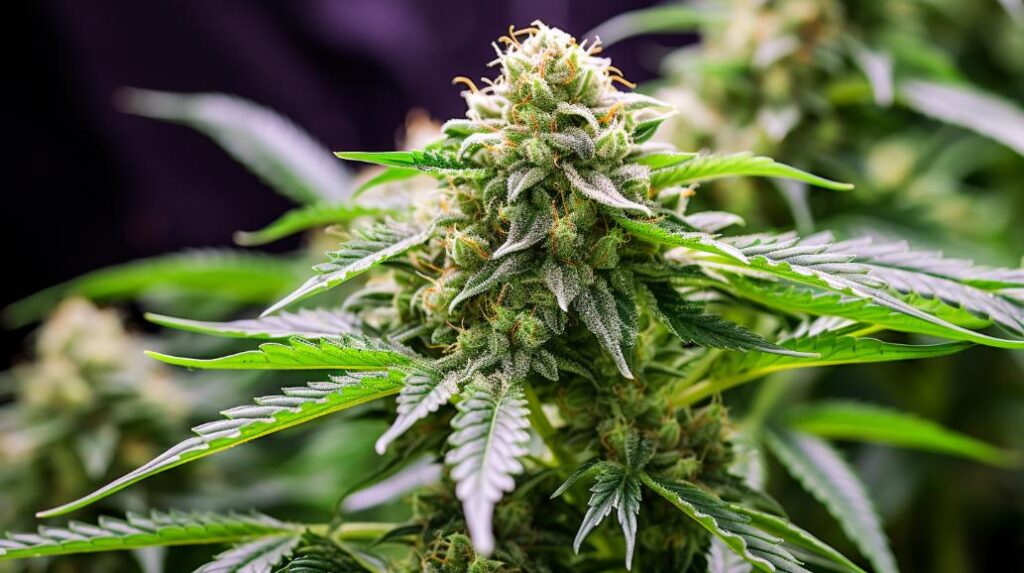
Upon visual inspection, Purple Sunset’s buds reveal a spiky, dense, and resinous nature, highlighted by their distinctive concord-grape hue accented with purple undertones. This strain stands out due to its vibrant color palette, which not only contributes to its aesthetic appeal but also signifies its potent quality. The buds are meticulously adorned with a thick layer of trichomes, which serve a dual purpose of enhancing the strain’s visual allure and indicating its high cannabinoid content.
Notably, the appearance of Purple Sunset can be summarized by the following characteristics:
- Spiky, dense structure: These physical attributes suggest a robust and hearty growth, contributing to the overall quality and desirability of the strain.
- Concord-grape color with purple undertones: This distinctive coloration is highly sought after and is a defining feature of the Purple Sunset strain.
- Thick layer of trichomes: The presence of a rich coating of trichomes not only enhances the strain’s visual appeal but also is indicative of its potency and rich cannabinoid profile.
- Variation in hue: While predominantly purple, some nugs may retain a forest green color, adding depth and complexity to its appearance.
In essence, the Purple Sunset strain’s aesthetic is as intriguing as its potential effects, making it a desirable choice for connoisseurs seeking both visual and sensory satisfaction.
Grow Information
Cultivators will find that Purple Sunset RBX2, a cross between Purple Punch and Mandarin Sunset, demonstrates remarkable ease of cultivation and adaptability to various growing conditions. This indica-dominant strain, with its lineage deeply rooted in the genetics of Mandarin Sunset, showcases a resilience and versatility that appeals to both novice and experienced growers alike. The plant is particularly well-suited to the SCROG (Screen of Green) growing method, thanks to its solid secondary branches that support the development of dense, resinous buds.
These compact buds, maturing in a quick flowering time of about 8 weeks, exhibit striking blue tones that complement their sweet and spicy flavors, imbued with hints of lemon, red fruit, and floral notes. The adaptability of Purple Sunset RBX2 extends beyond its structural benefits, offering a palette of flavors that echo its Mandarin Sunset heritage, further enhancing its appeal.
Available for purchase starting from 11.90€, this strain represents not just an accessible option for those looking to cultivate, but also a testament to the innovative breeding techniques that have combined the best aspects of Purple Punch and Mandarin Sunset. This ensures a growing experience that is as rewarding as it is straightforward, yielding high-quality, aesthetically pleasing, and potent results.
Adverse Effects
While it is generally well-tolerated, the Purple Sunset strain occasionally leads to adverse effects such as dry mouth, anxiety, dizziness, and sleepiness among users. These adverse reactions, while not uncommon in the consumption of cannabis strains, warrant a closer examination to ensure informed use and management of potential discomforts.
Primarily, it is essential to understand that the manifestation of these effects can significantly vary among individuals, influenced by factors such as personal tolerance, consumption method, and the quantity consumed. The occurrence of dry mouth, prominently known as ‘cottonmouth,’ is a ubiquitous side effect due to cannabis’s influence on the salivary glands, reducing saliva production. This condition is often easily manageable through increased water intake.
The psychological and physiological responses, such as anxiety and dizziness, highlight the strain’s potent psychoactive components. These components can overstimulate the user’s sensory perceptions and cognitive functions, leading to discomfort. The sensation of sleepiness, although considered an adverse effect, can sometimes be the sought-after effect for users aiming for relaxation or aid with insomnia.
To summarize, the Purple Sunset strain’s potential adverse effects include:
- Dry mouth
- Anxiety
- Dizziness
- Sleepiness
Awareness and moderation are key in mitigating these effects, ensuring a more enjoyable and controlled experience.
Comparisons with Similar Strains
Understanding the adverse effects associated with the Purple Sunset strain sets the stage for a detailed comparison with strains sharing similar characteristics, particularly in terms of terpenes, effects, and genetic lineage. Purple Sunset, known for its slightly indica-dominant hybrid nature, offers a blend of relaxation and creativity, making it a choice strain for those seeking a balance between calmness and imaginative thought. Its unique aroma and flavor profile, coupled with potential medical benefits, elevate its standing among users.
When comparing Purple Sunset to other strains, Mandarin Sunset often emerges as a notable counterpart. Both strains exhibit a complex terpene profile that contributes to their distinctive aromas and flavors. Users exploring strains similar to Purple Sunset in regions like Paris, IDF, are likely to encounter strains like End Game, which share a genetic lineage with Purple Sunset. These comparisons not only highlight the varied effects and cannabinoid content among closely related strains but also offer insights into their potential applications and user preferences.
Moreover, the appreciation for Purple Sunset’s aromatic and flavor qualities underscores the importance of terpenes in the overall experience. Through this analytical approach, users can gain a deeper understanding of how Purple Sunset compares to Mandarin Sunset and other related strains, guiding their selections based on desired effects, aroma, and therapeutic potential.
Research and Studies
How has scientific research contributed to our understanding of the Purple Sunset strain’s therapeutic applications and effects? With its genetic lineage stemming from the crossing of Purple Punch and Mandarin Sunset, Purple Sunset exhibits a unique profile of cannabinoids and terpenes. This strain has garnered attention within the scientific community for its potential therapeutic benefits, largely attributed to its slightly indica-dominant hybrid nature and the presence of Mandarin Sunset genetics.
Research findings highlight several key aspects of Purple Sunset:
-
Potency and Efficacy: With a THC content of around 22%, studies indicate its potent effects in managing conditions such as stress, anxiety, and depression.
-
Therapeutic Applications: Clinical observations suggest that Purple Sunset can significantly alleviate symptoms of stress, anxiety, and insomnia, making it a favored choice among medical marijuana patients.
-
Cannabinoid Profile: Investigations into its cannabinoid composition reveal a rich blend that contributes to its relaxing effects and ability to stimulate appetite.
-
Terpene Analysis: The terpene profile, influenced by Mandarin Sunset genetics, is believed to play a crucial role in the strain’s distinctive aroma, flavor, and therapeutic properties.
This body of research underscores the complexity and potential of Purple Sunset as a therapeutic agent, inviting further study into its effects and applications.
Frequently Asked Questions
Is Purple Sunset Indica or Sativa?
Evaluating the genetic background of cannabis strains reveals their indica or sativa dominance. In this instance, the strain in question, due to its 60% indica and 40% sativa genetic composition, is classified as indica-dominant.
Is Purple a Sativa or Indica?
In the context of color genetics, "purple" does not directly indicate whether a strain is sativa or indica. These classifications are determined by plant genetics and characteristics rather than the coloration of the strain.
Is Sunset Strain Sativa or Indica?
The Sunset strain exhibits hybrid characteristics, leaning towards indica dominance with a genetic composition that fosters a balance between relaxation and mild cerebral stimulation, typical of indica-sativa hybrids, making it versatile for various uses.
Is Purple Strain Strong?
Evaluating the potency of a strain involves analyzing its genetic background, THC content, and user-reported effects. With a THC level exceeding the average, strains like these are generally recognized for their strong, impactful experience.

Responses