
Romulan

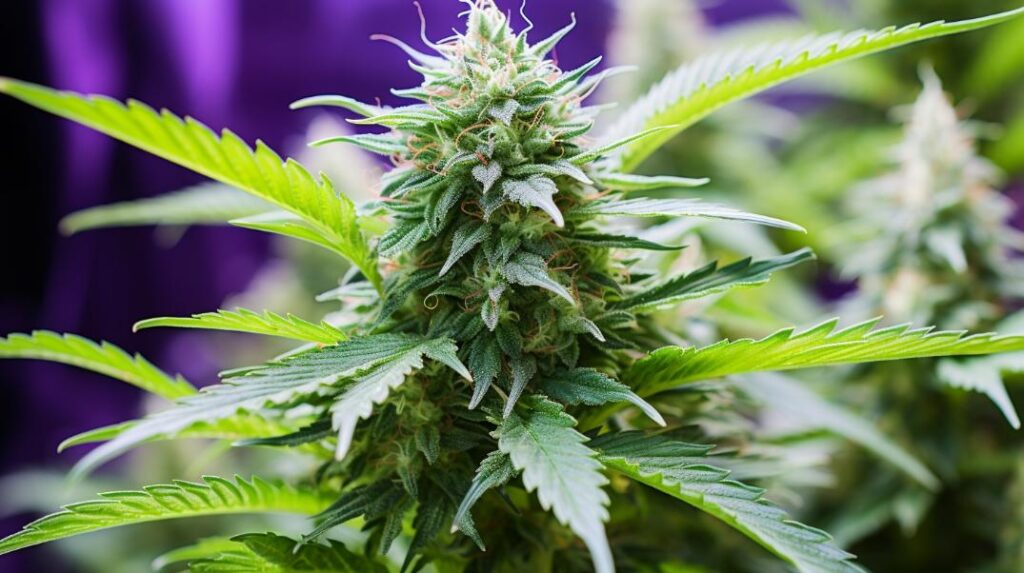
In the ever-expanding cosmos of cannabis cultivars, the Romulan strain presents itself as a noteworthy constellation, particularly for those seeking solace in its indica-dominant genetics. Named after the alien race in the Star Trek universe, this strain’s powerful therapeutic effects have garnered attention within both the medical marijuana community and among recreational users.
Characterized by a complex aromatic bouquet and robust cannabinoid profile, Romulan’s therapeutic potential lies not just in its ability to alleviate physical discomfort but also in its capacity to induce profound relaxation. However, the strain’s potency and sedative qualities raise important considerations regarding appropriate usage and dosage.
As we chart the course through its genetic lineage and the nuances of its composition, one cannot help but wonder what further benefits and applications this formidable strain may hold.
Genetic Lineage
The genetic lineage of Romulan, a robust indica-dominant hybrid, is rooted in the crossbreeding of a pure landrace indica with the potent White Rhino strain, resulting in its distinctive effects and therapeutic properties.
Cultivated by Romulan Joe, a breeder with origins in Santa Cruz, the Romulan strain embodies a rich heritage that synergizes the tranquilizing qualities of its landrace ancestor with the formidable strength of the White Rhino. This genetic meld has bestowed upon Romulan a deep, full-bodied relaxation coupled with a dreamy cerebral experience, making it a favorite among users seeking solace from anxiety, pain, and depressive symptoms.
The journey of this hybrid cannabis strain, post the infamous raid on Sacred Seeds in 1982, witnessed its further development in the cooler climates of Victoria, British Columbia. Here, Romulan Joe refined its attributes, enhancing its potency and stability.
Next Generation Seed Company, recognizing the strain’s profound impact and enduring popularity, took the mantle as the leading distributor of Romulan seeds, ensuring its legacy within the cannabis community. The Romulan strain stands as a testament to the art of breeding, combining a timeless landrace foundation with the dynamic influence of White Rhino to create a therapeutic powerhouse esteemed by aficionados and medicinal users alike.
THC/CBD Content
Building on its rich genetic heritage, Romulan’s cannabinoid profile boasts THC levels that vary between 18% to 24% and CBD concentrations that range from 0.62% to 0.95%, establishing it as a potent option for both recreational and therapeutic use. As an indica strain, Romulan is renowned for delivering a deeply relaxing body high accompanied by a dreamy, floating sensation. The substantial THC content is responsible for the strain’s mental euphoria and sedative effects, which can induce happiness, stimulate appetite, and often culminate in profound sleep.
The presence of CBD, albeit less pronounced than THC, enhances the therapeutic potential of Romulan. Users may find relief from chronic pain, muscle spasms, and a variety of other medical conditions. The CBD content, which can reach up to 0.95%, may also contribute to the alleviation of insomnia, headaches, and the reduction of anxiety and fear responses.
This positions Romulan not just as a recreational choice but also as a viable medical cannabis alternative, especially for those seeking respite in the evenings or before bedtime to counteract symptoms that interfere with rest and relaxation.
Terpene Profile
Delving into the aromatic heart of Romulan, its terpene profile is headlined by myrcene, caryophyllene, and pinene, which coalesce to create its distinctive earthy fragrance with sharp pine and subtle spicy undertones. Renowned for its frosty buds, the Romulan strain is a classic indica with a terpene composition that not only defines its aroma but also significantly influences its therapeutic potential.
Myrcene, the most prominent terpene in the mix, is known for its sedative qualities, which may enhance the strain’s ability to alleviate stress and insomnia. Its presence suggests a potential for inducing a calming and deeply relaxing state, making Romulan a preferred choice for evening use.
Pinene adds to the complexity of Romulan’s scent with its fresh, resinous pine notes, contributing to the strain’s reputation for a crisp and invigorating flavor profile. The terpene is also associated with anti-inflammatory and analgesic properties, which could explain Romulan’s efficacy in soothing chronic pain and reducing muscle spasms.
Caryophyllene’s spicy nuance complements the herbal mosaic, offering a further layer of depth to the flavor and potentially exerting its own therapeutic effects through its interaction with the body’s endocannabinoid system.
Effects
Moving beyond its aromatic allure, the Romulan strain exerts a profound influence on both body and mind, epitomized by its deeply calming and relaxing effects. This indica-dominant hybrid is renowned for its potent body high, which manifests as substantial physical sedation. Users often report a significant alleviation of tension, making Romulan a popular choice for those seeking to unwind after a stressful day or for therapeutic purposes.
The strain’s analgesic properties are particularly beneficial for individuals dealing with chronic pain, as it may dull discomfort and soothe muscle spasms effectively. Its sedating nature also contributes to its reputation as a powerful aid for those struggling with insomnia, allowing for a restful night’s sleep.
With a higher THC content, the cerebral effects of Romulan should not be underestimated. It delivers a strong and long-lasting mental euphoria that can envelop users in a blissful state of mind. However, it is crucial to approach this strain with caution, especially for novice consumers or those with a lower tolerance, as its stoning effects are intense and can lead to overconsumption if not moderated.
Aside from therapeutic benefits, Romulan may stimulate appetite, which can be advantageous for individuals experiencing a lack of hunger. Common side effects, such as dry mouth and dry eyes, should be anticipated, and users are advised to stay hydrated.
Medical Uses
The Romulan strain has garnered acclaim in the medical cannabis community for its significant analgesic and sedative properties, offering relief to patients contending with a variety of ailments. Renowned for its therapeutic benefits, Romulan has been particularly beneficial for those dealing with chronic pain, which can be a debilitating condition affecting quality of life. By delivering potent pain relief, this strain aids in managing discomfort that might otherwise prove intractable with conventional treatments.
Medical marijuana patients have turned to Romulan not only for its physical effects but also for its psychological impact. The strain’s ability to induce a state of calm can be instrumental for individuals experiencing elevated stress levels, anxiety, or depression, helping to stabilize mood and provide a sense of well-being.
-
Chronic Pain Relief: Romulan is highly sought after for its ability to alleviate pain, including muscle spasms and other chronic conditions.
-
Sleep Aid: Its sedative qualities make it a recommended choice for combating insomnia and promoting restful sleep.
-
Anxiety and Stress Reduction: The strain provides a relaxing effect, which can be therapeutic for those looking to diminish anxiety and mitigate stress.
Flavor and Aroma
Connoisseurs of the Romulan strain are often first captivated by its distinctive aroma, a combination of earthy pine and spicy undertones that heralds the complex flavor profile awaiting the palate. This medical cannabis variety exudes a rich tapestry of scents, with fresh pine overtones that merge seamlessly with the zest of fresh pepper, the earthiness of skunk, and a nuanced bouquet of fermented grapes and tart limes. The olfactory experience suggests a deep connection to the natural world, reminiscent of a forest after rain.
Upon tasting, Romulan reveals its full splendor. The forward notes of pine command attention, while subtler hints of spicy, citric skunk weave through the sensory experience, delivering a unique and enjoyable taste experience. The terpenes myrcene, caryophyllene, and pinene are abundant in this strain, intricately involved in shaping its aromatic and flavor signatures.
Users often describe the aroma and taste as being dominated by a strong pine flavor, which is complemented by a zesty aftertaste and the subtle, resinous notes of skunk. This complex profile not only pleases the senses but also enhances the overall appeal of Romulan as a strain that stands out in the medical cannabis landscape for its delightful and memorable character.
Appearance
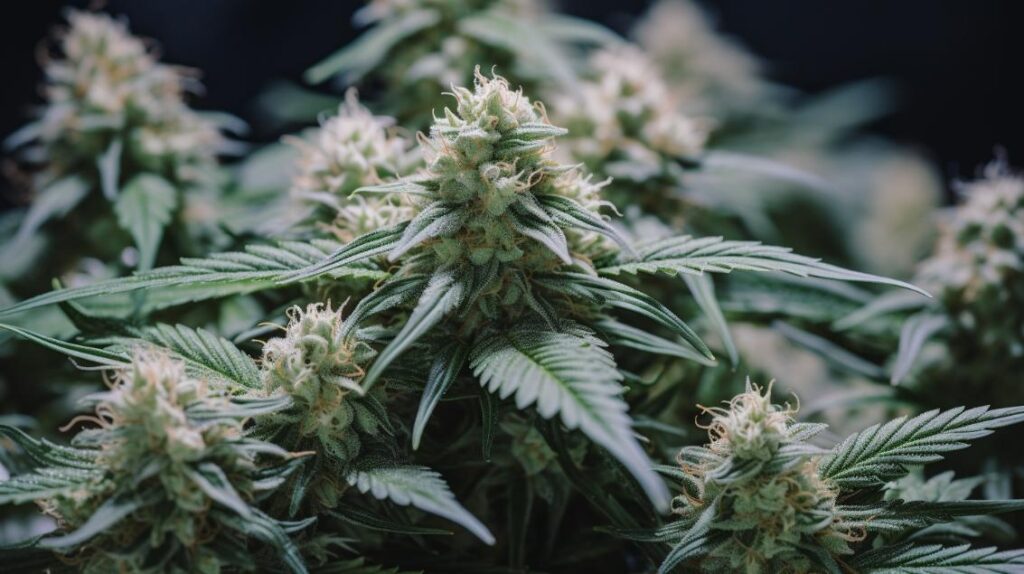
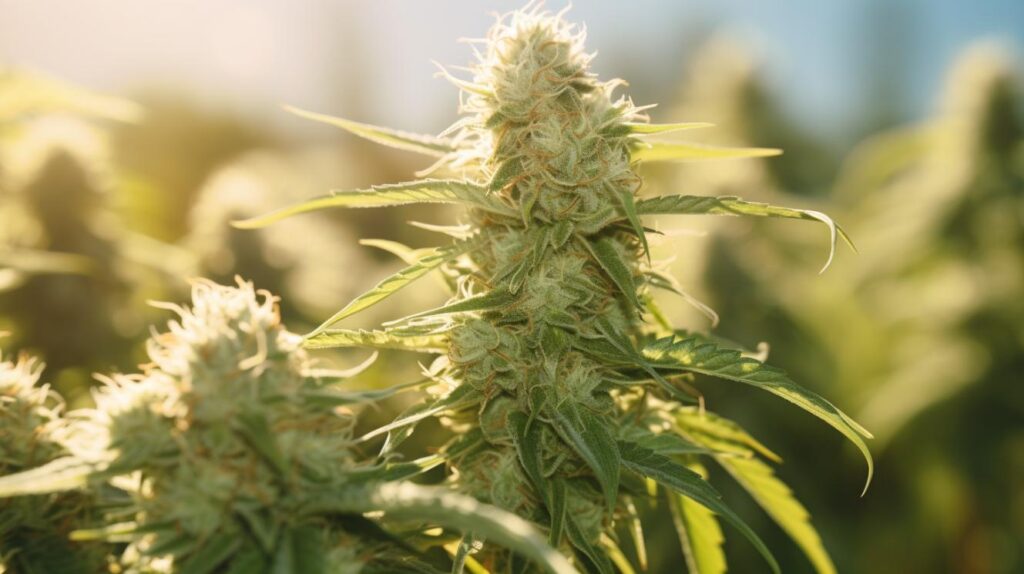
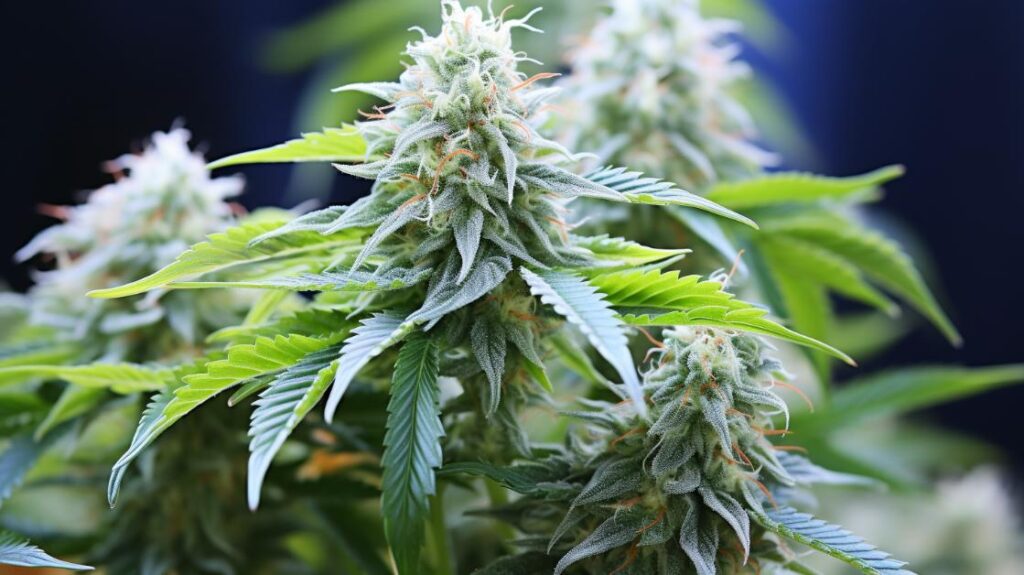
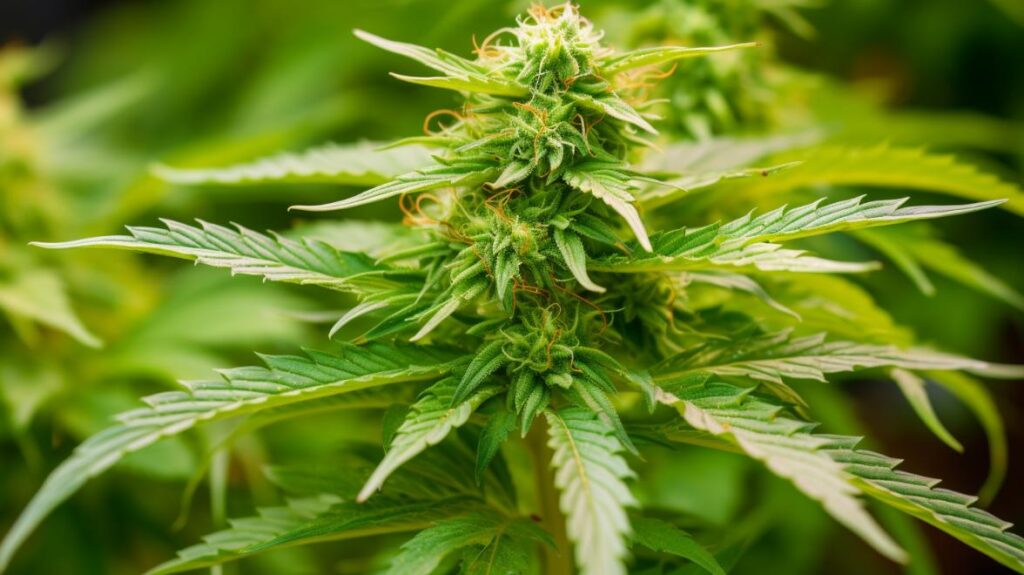
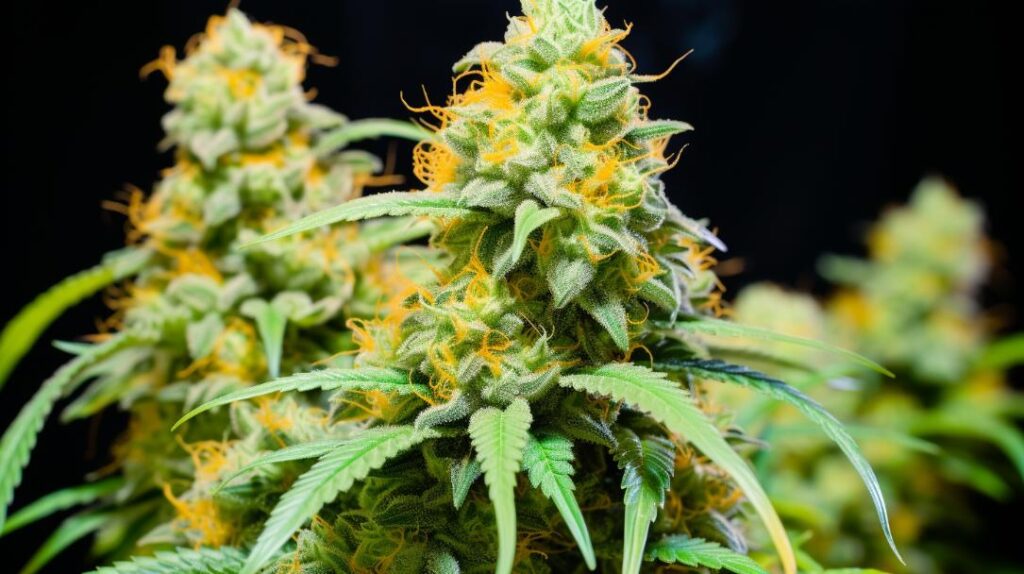
Upon first glance, Romulan cannabis presents an inviting display of dense, frosty buds adorned with brassy-orange pistils that are both aesthetically pleasing and indicative of its potent appeal. The strain’s origin from British Columbia is reflected in its robust structure, characteristic of the pure indica lineage that nurtures its growth. The buds of Romulan are notably compact, offering a glimpse into the powerful effects that may lie within its trichome-laden surface.
The strain’s appearance is not only a feast for the eyes but also for the senses. A closer examination reveals a constellation of trichomes that seem to capture the very essence of potency and quality. The rich tapestry of colors and textures is a testament to the meticulous cultivation practices that have honed the strain’s characteristics.
- Dense Buds: A hallmark of the pure indica genetics, ensuring a solid and substantial feel.
- Frosty Trichomes: Thick coverage that hints at the strain’s potency and resin production.
- Brassy-Orange Pistils: These vibrant features contrast with the deep green hues, adding to the visual allure.
The Romulan strain’s appearance is a symphony of aesthetic delights that promise a powerful and immersive experience. It stands as a proud representation of British Columbia’s rich cannabis heritage, inviting connoisseurs and enthusiasts alike to indulge in its visually impressive qualities.
Grow Information
Cultivating Romulan, a strain revered for its potent effects and sweet earthy aroma, requires attention to detail regarding environmental conditions such as consistent temperature and humidity levels to ensure the development of its characteristically dense and resinous buds. This particular variety, closely associated with the breeder Romulan Joe and further popularized by Generation Seeds, has garnered attention within the cannabis community for both its robust therapeutic properties and the unique growing experience it offers.
Romulan plants are typically short and bushy, a growth pattern that suits indoor setups remarkably well. The flowering period for Romulan spans approximately 8 to 9 weeks, a relatively standard timeline for indica-dominant hybrids. During this crucial stage, maintaining proper ventilation is paramount to prevent mold and mildew, which the dense foliage could otherwise harbor. A moderate level of horticultural proficiency is recommended for those who aim to grow Romulan, as the strain thrives under a watchful eye that can ensure optimal environmental control.
As with many cannabis strains, Romulan’s resistance to pests and diseases contributes to its appeal among cultivators. Aspiring growers looking to yield high-quality Romulan buds should adhere to a regimen that balances the plant’s need for stability with the occasional calibrated adjustment, embodying the precision that successful cultivation demands.
Adverse Effects
While the cultivation of Romulan is a rewarding experience for growers, it is important for users to be aware of the possible adverse effects associated with this potent strain. Smoking Romulan can lead to several negative effects, especially for those who might be sensitive or new to cannabis use.
Here are a few adverse effects to be mindful of:
- Dry Mouth: Often referred to as ‘cottonmouth,’ this is a frequently encountered inconvenience after cannabis use.
- Dry Eyes: Users might find a need for hydrating eye drops to alleviate the discomfort.
- Dizziness: This can be particularly pronounced with the high THC levels found in Romulan.
Analytically speaking, these symptoms are linked to the interaction of cannabinoids with the body’s endocannabinoid system. The adverse effects such as dry mouth and eyes are due to THC’s inhibition of saliva secretion and its impact on ocular tissues. Dizziness, on the other hand, may be related to THC’s effect on blood pressure and equilibrium.
Descriptions of the strain’s effects should also note that some individuals might experience headaches and a significant increase in lethargy, particularly when consumed in larger doses. Novice users should approach Romulan with caution due to its potent nature, which can lead to an overwhelming sense of heaviness and sedation.
Comparisons with Similar Strains
Exploring the Romulan weed strain’s characteristics reveals its similarities to other high-THC indica varieties such as Northern Lights and Granddaddy Purple, known for their deeply relaxing and euphoric effects. As a North American Indica, Romulan shares a genetic lineage that predisposes it to provide a potent heavy stone and cerebral bliss akin to these renowned strains. Medical cannabis patients might expect Romulan to offer comparable therapeutic benefits, addressing issues like chronic pain and stress.
Connoisseurs with a penchant for the terpene profile of Romulan, marked by its distinct pine flavor, might also find solace in strains like Pineapple Express or Skywalker OG. These varieties echo the earthy and piney undertones that make Romulan a sensory standout. Additionally, those who turn to Romulan for its stress and pain relief may consider Blue Dream or Girl Scout Cookies as alternative options, given their similar stress-relieving properties.
For users seeking the sedative qualities of Romulan that coax them into slumber, Bubba Kush or Afghan Kush might be suitable substitutes. These strains share the sleep-inducing properties that make Romulan a nighttime favorite.
Lastly, when it comes to stimulating appetite, expect Romulan’s effects to be mirrored in strains like Purple Kush or GSC, which are also known for their hunger-enhancing effects.
Research and Studies
Having examined Romulan’s relation to other strains, attention now turns to the scientific inquiries and research efforts that explore its medical potential and unique properties. While comprehensive studies on Romulan specifically are scant, the strain’s distinctive terpene profile and cannabinoid composition warrant closer scrutiny from the scientific community. The general body of cannabis research suggests potential therapeutic applications that could extend to Romulan, given its shared chemistry with other medically utilized strains.
To underscore the importance of such research, consider the following:
-
Therapeutic Potential: Preliminary findings in cannabis research indicate possible benefits for conditions like chronic pain, insomnia, and stress, which Romulan could potentially address.
-
Unique Chemistry: Romulan’s specific blend of terpenes and flavonoids may interact uniquely with the body’s endocannabinoid system, suggesting a need for targeted studies.
-
Cultivation and Genetics: Investigating Romulan’s growth patterns and genetic markers could facilitate breeding efforts, ensuring consistent quality and availability for medical cannabis patients.
In essence, Romulan represents a compelling subject for further research and studies within the realm of medical cannabis. A deeper understanding of its effects, driven by scientific inquiry, could pave the way for more informed therapeutic use and cultivation practices.
History and Origin
Tracing its roots back to the late 1990s in Northern California, the Romulan strain emerged as a distinctive blend of a landrace indica and White Rhino, crafted by the breeder known as Romulan Joe. The strain’s moniker, inspired by the alien race from the iconic Star Trek series, hints at its potent effects that can be almost otherworldly in their intensity, securing the Romulan name within the cannabis culture.
Romulan Joe, from Santa Cruz, was instrumental in the strain’s development, eventually passing a cutting of Romulan to Next Generation Seed Company, further solidifying its status as a storied strain with intriguing geographical origins.
The genetic fortitude of Romulan has stood the test of time, fostering a strong fan base and being revered as a piece of cannabis history. As the prime producer of Romulan seeds, Next Generation Seed Company has played a pivotal role in maintaining the strain’s availability and legacy.
Romulan’s foundational influence is evident as it became a parent strain to the hybrid Golden Goat, and its early presence in dispensaries showcased its popularity and unique taste experience. Its accessibility in medical pot shops underscored the demand for this distinctive strain, which gets its name from a deep space empire but stands firmly grounded in cannabis lore.
Frequently Asked Questions
What Strain of Weed Is Romulan?
Romulan is a genetically indica-dominant cannabis strain. Cultivation tips suggest a cool, dry climate for optimal growth, while its terpene profile boasts pine and herbal notes, indicative of its soothing properties.
What’s the Strongest Indica Weed?
The strongest indica strains typically boast high THC content, countering myths that equate strength solely with Sativa varieties. These indicas offer significant medicinal benefits, including pain and stress relief, often with profound sedative effects.
What Is the Rarest Strain of Weed in the World?
The rarest cannabis strains often face genetic preservation issues, cultivation challenges, and strain legality concerns, which limit their availability and contribute to their scarcity in the global cannabis market.
What Strain Is Purple Romulan?
Purple Romulan is a strain distinguished by its robust terpene profile and notable consumption effects such as relaxation and pain relief, owed to expert growing techniques that ensure its high potency and therapeutic benefits.

Responses