
Sticky Buns

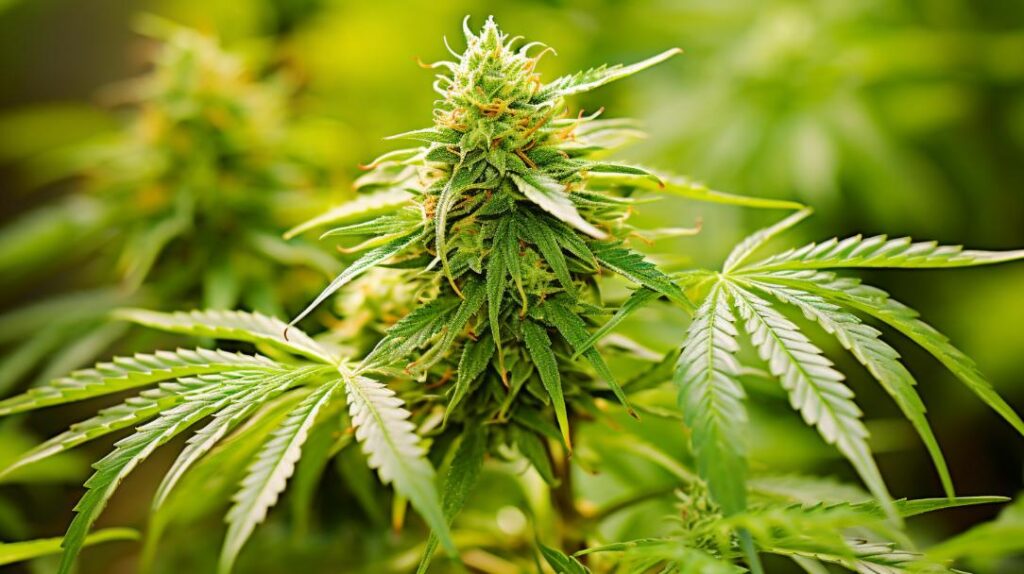
When it comes to cannabis strains, Sticky Buns is a name that has piqued the interest of many enthusiasts. This hybrid strain has gained a reputation for its delightful flavor profile and therapeutic effects. But what sets Sticky Buns apart from other strains?
What is its genetic lineage, and what can we expect in terms of THC and CBD content? Moreover, how does it compare to similar strains on the market?
In this discussion, we will explore the fascinating characteristics of Sticky Buns Strain, uncover its medical uses, and delve into its history and origins.
Get ready to discover the enticing world of Sticky Buns and why it has become such a sought-after strain in the cannabis community.
Genetic Lineage
The genetic lineage of the Sticky Buns strain can be traced back to a collaboration between Cookies and Seed Junky Genetics, resulting in a cross between Kush Mints and Gelatti strains. Sticky Buns is an evenly balanced hybrid cannabis strain that has gained popularity for its unique characteristics and effects.
Kush Mints, one of the parent strains, is known for its potent and relaxing properties. It is a cross between Animal Mints and Bubba Kush, two renowned strains in the cannabis community. Gelatti, on the other hand, is a hybrid strain that combines the genetics of Gelato and Snowman.
By crossing Kush Mints and Gelatti, breeders were able to create Sticky Buns, a strain that inherited the best traits of its parent strains. The resulting buds of Sticky Buns have a light and airy forest green appearance, and they emit a delightful aroma reminiscent of cinnamon, nuts, cream, and vanilla.
When consumed, Sticky Buns offers a creative and focused high, making it a favorite among those seeking inspiration or looking to enhance their productivity. Additionally, this strain is often used for anxiety and depression relief due to its euphoric effects.
THC/CBD Content
Sticky Buns strain is known for its high THC content, averaging around 20%. THC, or tetrahydrocannabinol, is the psychoactive compound found in cannabis that is responsible for producing the euphoric and intoxicating effects commonly associated with the plant.
In contrast, CBD, or cannabidiol, is another compound found in cannabis but does not produce the same psychoactive effects as THC.
While Sticky Buns is renowned for its high THC levels, it typically contains low levels of CBD. This means that the strain is more likely to induce a potent psychoactive experience rather than providing therapeutic benefits associated with CBD, such as pain relief or anti-inflammatory properties.
The effects of Sticky Buns strain are reported to induce euphoria, relaxation, and sleepiness. This makes it suitable for managing conditions such as anxiety, depression, and stress. Additionally, the high THC content in Sticky Buns may offer relief for migraines, nausea, and sleep-related issues.
It’s important to note that Sticky Buns strain is popular on the West Coast but may have limited availability of seeds and clones. Moreover, due to its medium potency, users should experiment with dosage and timing to find the optimal experience.
Terpene Profile
With its renowned high THC content and potential therapeutic benefits, it is important to explore the terpene profile of the Sticky Buns strain to further understand its aroma, flavor, and potential medicinal properties.
The terpene profile of Sticky Buns is characterized by a sweet, nutty, and creamy aroma, with hints of vanilla and cinnamon. This unique combination of terpenes contributes to the strain’s distinctive scent and flavor.
-
Myrcene Dominant: The terpene profile of Sticky Buns is likely myrcene dominant, known for its sedative and relaxing effects. This may explain the strain’s reported feelings of sleepiness and relaxation.
-
Pinene and Limonene: Sticky Buns may also contain pinene and limonene, which can contribute to potential uplifting and mood-enhancing effects. These terpenes are known for their citrusy, pine aroma, adding complexity to the strain’s overall sensory experience.
-
Terpene Influence: The terpene profile of Sticky Buns may influence its reported benefits, such as alleviating stress, anxiety, and depression. Terpenes can work synergistically with cannabinoids to produce therapeutic effects, enhancing the potential medicinal properties of the strain.
Understanding the terpene profile of Sticky Buns is crucial in evaluating its flavor, effects, and potential medicinal properties. This knowledge can aid individuals in making informed choices when seeking strains with similar terpene profiles, aligning with their desired sensory experience and potential therapeutic benefits.
Effects
Inducing a balanced high, the Sticky Buns strain offers a range of relaxing effects that promote feelings of sleepiness, relaxation, and talkativeness. This cannabis strain is well-known for its ability to provide a calming and soothing experience to its users. With its higher THC potency than average, Sticky Buns delivers a potent and long-lasting effect.
When consuming Sticky Buns strain, users can expect a tingly and creative cerebral high, making it suitable for enhancing focus and creativity. This strain has the potential to uplift the mood and induce a sense of euphoria. It is often used to help with anxiety, depression, and stress due to its calming and energizing effects.
However, it is important to note that some users may also experience adverse effects when consuming Sticky Buns strain. Headaches, paranoia, and anxiety have been reported by some individuals. It is always recommended to start with a low dosage and gradually increase it to avoid any unwanted effects.
Medical Uses
The therapeutic potential of Sticky Buns strain extends to various medical uses, offering relief for conditions such as stress, nausea, migraines, and loss of appetite. This cannabis strain has gained attention for its potential benefits in alleviating these medical symptoms.
Here are three key ways Sticky Buns strain may be used for medical purposes:
-
Stress relief: Sticky Buns strain is reported to have calming properties, which can help reduce stress and anxiety. Its high THC level of over 20% may contribute to its effectiveness in providing relief from these conditions.
-
Nausea management: Many medical cannabis strains, including Sticky Buns, have been found to help alleviate nausea and vomiting. This can be particularly helpful for individuals undergoing chemotherapy or experiencing other medical conditions that cause nausea.
-
Migraine relief: Sticky Buns strain may also offer relief for migraines. Some users have reported that this strain helps reduce the intensity and frequency of migraine attacks, providing a welcome alternative or complement to traditional migraine medications.
It is important to seek professional advice before using cannabis for medical conditions. Each individual may respond differently to different strains, and a healthcare professional can provide guidance on the most suitable options.
Sticky Buns strain, with its potential therapeutic benefits and appealing taste, may be a viable choice for individuals seeking relief from stress, nausea, migraines, and loss of appetite.
Flavor and Aroma
The flavor and aroma of Sticky Buns strain captivate the senses with its enticing combination of creamy cinnamon, earthy spices, and hints of vanilla. The strain’s aroma is sweet, nutty, and creamy, providing a tantalizing experience for the olfactory senses. Upon inhalation, the scent of creamy cinnamon fills the air, accompanied by subtle undertones of earth and spice.
As the flavor profile unfolds, one can expect a delicious blend of sweet vanilla, nutty notes, and a hint of buttery richness. The taste of Sticky Buns strain is reminiscent of freshly baked, sugary dough, offering a delightful sensation on the palate. The sweet and creamy vanilla flavor takes center stage, enveloping the taste buds with its rich and indulgent essence. Complementing the sweetness are delicate hints of herbs and spices, adding complexity to the overall flavor experience.
Furthermore, the strain’s flavor carries subtle amber undertones, providing a warm and inviting sensation with each inhale. This unique combination of flavors creates a truly enjoyable and memorable experience for cannabis enthusiasts.
Appearance
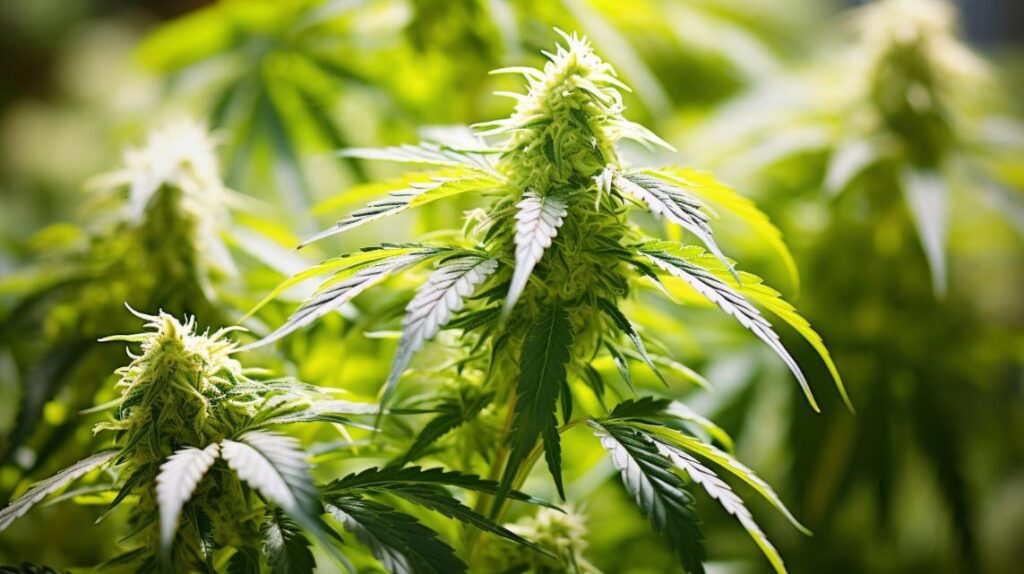
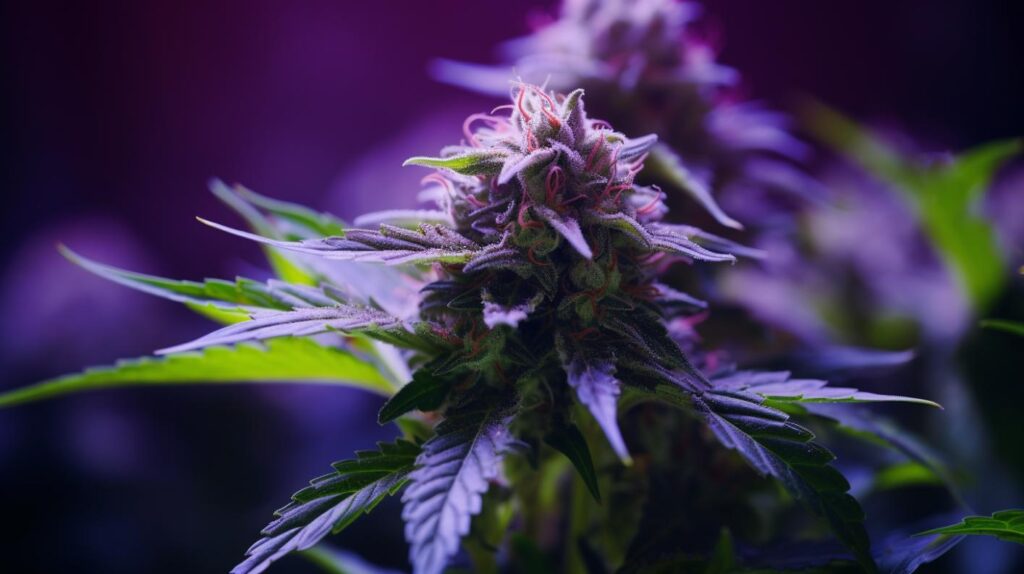
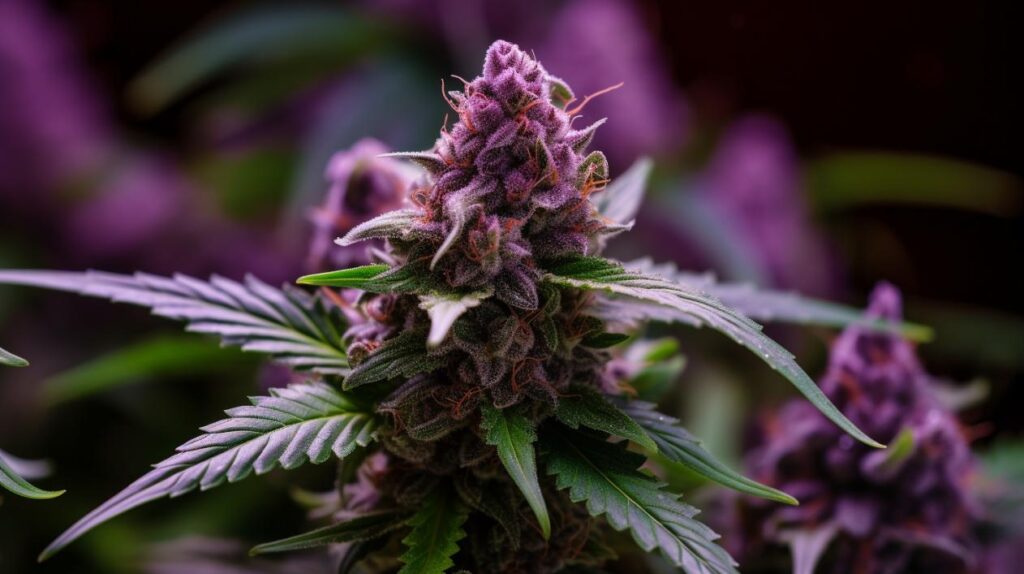
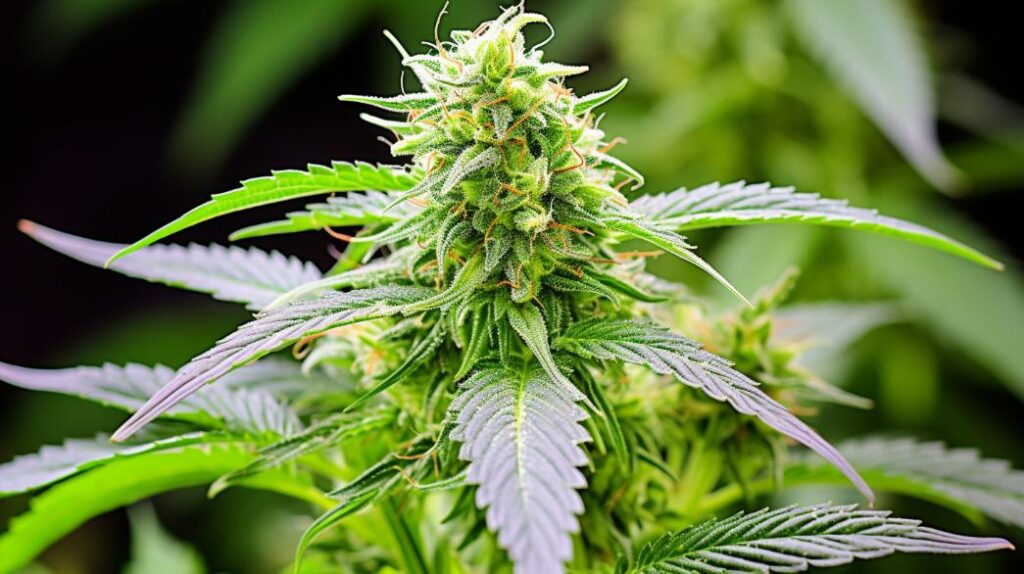
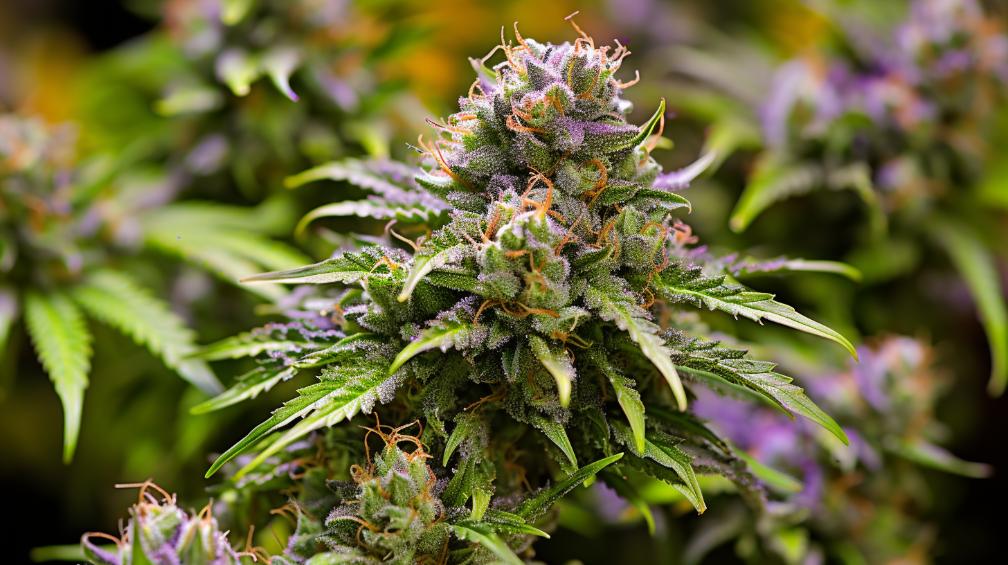
Featuring visually striking buds with a captivating forest green color and amber undertones, Sticky Buns strain is a sight to behold. The appearance of this strain is truly impressive, making it instantly recognizable among other cannabis varieties.
Here are three key aspects of Sticky Buns’ appearance:
-
Forest Green Color: The buds of Sticky Buns have a rich, deep green hue reminiscent of a lush forest. This vibrant color adds to the strain’s allure and makes it visually appealing.
-
Amber Undertones: Alongside the forest green color, Sticky Buns buds also showcase beautiful amber undertones. These warm tones provide a pleasing contrast and lend an overall inviting appearance to the strain.
-
Orange Hairs and Resinous Coating: The buds of Sticky Buns are adorned with vibrant orange hairs, which further enhance their visual appeal. Additionally, these buds are covered in a sticky layer of glandular trichomes, giving them a golden sheen and a resinous texture.
Grow Information
With its visually striking appearance, it is important to understand the grow information of the Sticky Buns strain. This hybrid strain is a blend of Kush Mints and Gelatti, resulting in a unique and flavorful cannabis experience.
When cultivating Sticky Buns, growers can expect plants that exhibit both indica and sativa characteristics, making it a versatile choice for cultivation. The strain is known for its high THC levels, exceeding 20%, which contributes to its potency.
Sticky Buns plants produce popcorn-shaped forest green buds with amber undertones. These nugs are not only visually appealing but also extremely sticky, making them difficult to handle. Growers should be prepared for this stickiness during cultivation and take necessary precautions to prevent resin from accumulating on their hands and tools.
The strain thrives in a controlled indoor environment but can also be grown outdoors in a suitable climate. It is recommended to provide the plants with proper ventilation and airflow to prevent any potential mold or mildew issues.
Sticky Buns has an average flowering time of around 8 to 9 weeks.
Adverse Effects
Commonly reported adverse effects of the Sticky Buns strain include headaches, paranoia, and anxiety. While cannabis can have various effects on individuals, it is important to note the potential adverse reactions that some users may experience.
Here are three key points to consider regarding the adverse effects of the Sticky Buns strain:
-
Headaches: Some users have reported experiencing headaches after using the Sticky Buns strain. While the exact cause of these headaches is not well understood, it is recommended that individuals who are prone to headaches or migraines exercise caution when using this strain.
-
Paranoia: Paranoia is another commonly reported adverse effect of the Sticky Buns strain. This feeling of extreme self-consciousness or irrational fear can be distressing for users. It is essential to be aware of this potential reaction and to use cannabis responsibly, especially if you have a history of anxiety or paranoia.
-
Anxiety: Anxiety is also among the adverse effects that some individuals may experience when using the Sticky Buns strain. It is important to note that cannabis can affect everyone differently, and while some users may find it helpful in managing anxiety, others may experience heightened feelings of anxiousness. If you have a pre-existing anxiety disorder or are prone to anxiety, it is advisable to consult a health professional before using this strain.
Comparisons with Similar Strains
When comparing strains, Sticky Buns stands out for its balanced high and relaxing effects, similar to Gelatti and Kush Mints. These three strains share common qualities that make them contextually relevant for comparison.
Like Gelatti and Kush Mints, Sticky Buns is known for its tingly energy and cerebral euphoria, providing users with a pleasant and uplifting experience. Additionally, Sticky Buns may have similar effects to strains with high THC potency, such as Gelatti.
In terms of aroma, strains with a creamy, nutty, and vanilla scent, like Gelatti and Kush Mints, may share similar terpene profiles with Sticky Buns. This suggests that these strains may have overlapping aromatic characteristics, enhancing the overall sensory experience for users.
Furthermore, similar to Gelatti and Kush Mints, Sticky Buns may assist with anxiety, depression, and stress relief. These strains are often sought after by individuals looking for relaxation and mood elevation.
Research and Studies
In exploring the research and studies conducted on Sticky Buns strain, its potential therapeutic benefits and effects have been extensively examined. These studies have shed light on the strain’s ability to alleviate conditions such as stress, nausea, migraines, and loss of appetite.
Here are three key findings from the research:
-
Relaxation and Euphoria: Research and user experiences suggest that Sticky Buns strain induces a well-balanced high, combining relaxing effects with cerebral euphoria and tingly energy. This makes it a potential option for individuals seeking relaxation and mood elevation.
-
Anxiety and Depression Relief: Studies indicate that Sticky Buns strain contains a high THC level of over 20%, which may help with anxiety and depression. However, it is important to note that individual experiences may vary, and consulting a health professional before using the strain as a substitute for professional medical advice is crucial.
-
Sleep Promotion: The therapeutic benefits of Sticky Buns strain, including promoting relaxation and sleep, have been noted in both research and user reviews. This makes it a potential option for individuals looking to improve their sleep quality.
While Sticky Buns strain shows promise in various areas, it is essential to approach its usage responsibly. As with any cannabis strain, it is recommended to experiment with dosage and timing based on personal tolerance and preferences. Additionally, individuals should always consult a healthcare professional before incorporating Sticky Buns strain or any strains with similar effects into their wellness routine.
History and Origin
Sticky Buns strain, bred by Cookies and Seed Junkie Genetics, is a highly sought-after hybrid known for its explosive flavor profile and therapeutic effects. This unique strain is a result of crossing two popular strains, Kush Mints and Gelatti.
Sticky Buns has gained popularity for its exceptional taste and aroma. It emits a scent reminiscent of creamy cinnamon and boasts a flavor that includes notes of fresh, sugary dough with hints of vanilla.
With its origins in the West Coast, Sticky Buns has become a favorite among cannabis enthusiasts. It is evenly balanced between 50% indica and 50% sativa, offering a well-rounded experience.
One of the reasons this strain is highly sought after is its therapeutic potential. Sticky Buns has been reported to help ease symptoms of depression, anxiety, migraines, and stress. Its calming and energizing effects make it a popular choice for those seeking relief from these conditions.
Sticky Buns also stands out for its high THC potency, with an average level of over 20%. This makes it a suitable option for users who prefer a more potent experience.
Frequently Asked Questions
Is Sticky Buns a Sativa or Indica?
The Sticky Buns strain is a hybrid, consisting of both indica and sativa genetics. It offers a balanced high with relaxing effects and has a high THC potency of over 20%. Its terpene profile provides a delicious flavor and aroma. The strain is known for its therapeutic benefits, including alleviating anxiety, depression, stress, and physical ailments.
Is Gummy Buns Indica or Sativa?
The classification of gummy buns as either indica or sativa depends on its genetic makeup. Additionally, the THC content, medical uses, flavors, and aromas of the strain should be considered to determine its effects and suitability for different consumers.
What Are the Effects of Sticky Bobby Strain?
The effects of the Sticky Buns strain include increased creativity, relaxation, and euphoria. It also provides pain relief and appetite stimulation. These effects make it a popular choice for those seeking relief from various ailments.
What Are Eden’s Trees Sticky Buns?
Eden’s Trees offers a strain called Sticky Buns, which is known for its sativa or indica characteristics. The product is reminiscent of gummy buns and is favored for its potent effects, similar to the sticky bobby strain.

Responses