
Wedding Pie

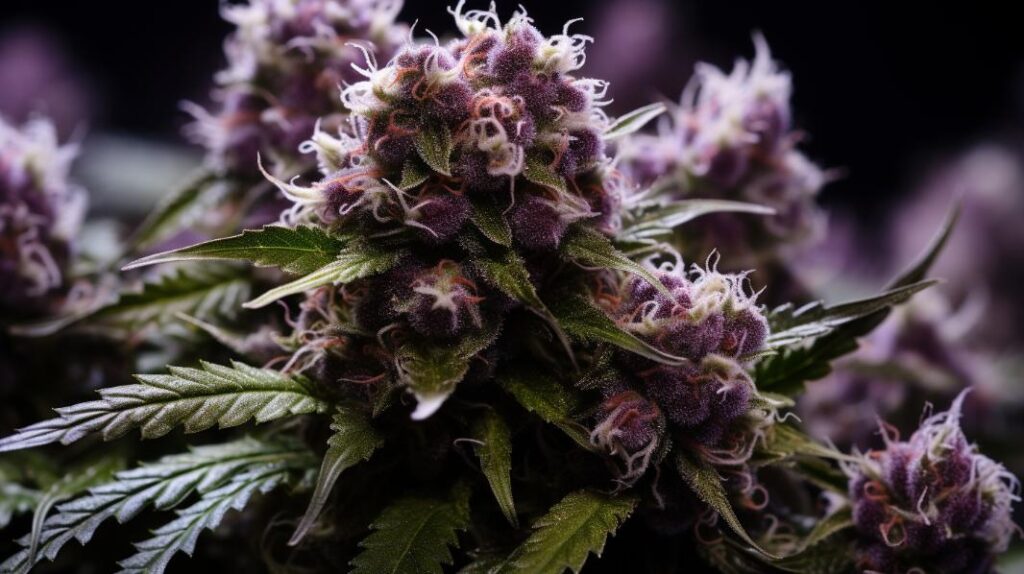
Wedding Pie is a distinguished indica-dominant hybrid cannabis strain, the progeny of a harmonious blend between Wedding Cake and Grape Pie. Renowned for its intricate flavor profile, it exudes a rich bouquet of sweet, fruity aromas with subtle lemon zest and a deep undercurrent of gaseous notes.
As a potent strain with a high THC content, Wedding Pie is favored for its soothing effects, offering a tranquil experience that can ease the mind and relax the body. Its therapeutic qualities are often sought after by individuals coping with anxiety, insomnia, and stress-related conditions.
The strain’s efficacy and versatility have secured its position in the market, making it an appealing choice for both recreational and medicinal users seeking a balanced and nuanced cannabis experience.
Genetic Lineage
The genetic lineage of Wedding Pie is a fusion of the indica-dominant Wedding Cake and the hybrid Grape Pie, culminating in a strain that inherits a complex bouquet of aromas and balanced effects. Wedding Cake, a cultivar renowned for its potent psychoactive properties and rich terpene profile, imparts a depth of relaxation characteristic of its indica heritage. On the other hand, Grape Pie contributes a nuanced fruitiness to the aromatic blend, courtesy of its diverse genetic makeup that traces back to cherished lineage.
As an indica dominant hybrid, Wedding Pie boasts a genetic composition that skews towards a 60:40 indica to sativa ratio. This meticulous balance offers users a symphony of effects that soothe the body without completely ensnaring the senses, allowing for both recreational and therapeutic applications. The deliberate breeding by Cannarado Genetics has ensured that the amalgamation of Wedding Cake and Grape genetics in Wedding Pie does not merely suggest a happenstance crossing; rather, it represents a carefully calibrated hybridization process aimed at enhancing the strain’s phenotypic stability and optimizing its cannabinoid and terpenoid expression.
As a result, Wedding Pie’s complex genetic mosaic offers a holistic experience that is simultaneously grounded and euphoric, making it a versatile choice for connoisseurs and patients alike.
THC/CBD Content
Wedding Pie strain distinguishes itself with a robust THC content averaging between 20% and 22%, while its CBD levels typically rest at a minimal 0.1%. This indica-leaning hybrid is sought after for its high THC level, which is significantly above average, suggesting potent psychoactive effects and a capacity for strong therapeutic outcomes.
The dominant presence of THC in the Wedding Pie strain is associated with its ability to provide relief from various forms of discomfort, including pain, muscle aches, and headaches. However, its scant CBD content means that the medicinal benefits are primarily driven by its THC-induced effects, rather than the more nuanced entourage effects that a higher CBD concentration might provide.
Below is a table that succinctly illustrates the cannabinoid content of Wedding Pie strain:
| Cannabinoid | Average Content | Effect on Users |
|---|---|---|
| THC | 20% – 22% | Potent psychoactive, potential therapeutic benefits |
| CBD | ~0.1% | Limited medicinal effects beyond THC |
| Ratio | 200:1 THC:CBD | Strong euphoria, less emphasis on CBD-related relief |
This table highlights the substantial psychoactivity potential of Wedding Pie, a characteristic favored by those seeking an intense experience and significant symptom mitigation. The strain’s chemical profile underscores its suitability for recreational enjoyment and its capacity to provide potent relief for experienced users.
Terpene Profile
Delving into its aromatic essence, Wedding Pie strain boasts a terpene profile led by B-caryophyllene, which significantly influences its therapeutic properties and user experience. This pivotal terpene activates the CB2 receptors within the endocannabinoid system, a critical pathway that modulates physiological processes including inflammation, pain, and mood.
The rich terpene profile of Wedding Pie is not only responsible for its alluring fragrance but also contributes to its potential as a therapeutic agent. Here is a detailed look at the key terpenes present:
-
B-caryophyllene: Known for its spicy and peppery notes, B-caryophyllene is instrumental in potentially reducing inflammation and providing relief from anxiety and depression.
-
Beta-myrcene: This terpene imparts earthy and musky tones, possibly aiding in sedation and muscle relaxation, enhancing the strain’s calming effects.
-
Limonene: With its refreshing citrus scent, limonene is associated with mood elevation and stress relief, complementing the uplifting aspects of the strain.
-
Linalool and Humulene: These contribute floral and hoppy accents, respectively, and may offer additional anxiolytic and anti-inflammatory benefits.
Effects
Euphoria envelops users of the Wedding Pie strain, initiating a serene journey through both cerebral and corporeal landscapes. This potent cultivar ushers in a heavy buzz characteristic of its lineage, eliciting a profound sense of physical calm and relaxation. As the experience unfolds, the strain’s influence extends deeply into the musculature, manifesting as a body high that is both substantial and pervasive. Such effects mark the Wedding Pie strain a great choice for those seeking reprieve from the clutches of chronic discomfort.
The onset of effects commences with a subtle tingle that soon escalates, sweeping through the mind with a blissfully unfocused and calming high. This cerebral serenity, paired with the strain’s physically sedative properties, contributes to its efficacy in treating a range of conditions. Notably, the deeply relaxing body high provides significant relief in scenarios of chronic pain, inflammation, spasticity, and muscle spasms.
Additionally, its soporific qualities may aid individuals grappling with insomnia, while the overall tranquilizing effect can serve as a bulwark against stress, headaches, and migraines. The Wedding Pie strain, with its dual-action relief, demonstrates a comprehensive therapeutic potential that is both immediate and enduring.
Medical Uses
In consideration of its sedative properties and high THC content, the Wedding Pie strain is frequently utilized as an alternative treatment option for patients suffering from a variety of medical conditions. Known for its therapeutic efficacy, this strain exploits the synergy between its chemotypical constituents and the body’s endocannabinoid system, providing a multi-dimensional approach to symptom management.
The medical uses of the Wedding Pie Strain are extensive and include:
-
Anxiety Relief: The anxiolytic effects of the strain’s dominant terpene, B-caryophyllene, interact with cannabinoid receptors to mitigate symptoms of anxiety, offering a sense of tranquility.
-
Insomnia and Sleep Disorders: Its indica lineage and high THC levels promote deep relaxation and drowsiness, making it a potential aid for those with sleep disturbances.
-
Pain and Inflammation: The analgesic properties inherent to the strain can help alleviate chronic pain, muscle aches, and headaches, while also addressing underlying inflammation.
-
Stress Reduction: The robust body high and cerebral effects may provide temporary relief from acute stress, contributing to a more balanced psychological state.
The intricate profile of Wedding Pie Strain points to its substantial potential in medical contexts, where its effects can be harnessed to provide relief from the aforementioned conditions, enhancing the quality of life for patients.
Flavor and Aroma
The Wedding Pie strain is distinguished by its complex olfactory profile, featuring a blend of sweet, lemony, and gassy notes that are complemented by a rich, vanilla and grape flavor palette. Connoisseurs of cannabis strains will appreciate the nuanced interplay of terpenes that give rise to this strain’s unique flavor and aroma characteristics.
Upon inhalation, the user is greeted with a pungent, dank herbal overtone, an initial sensory prelude to the more intricate grape and berry notes that follow.
As the consumption experience progresses, the flavor profile evolves to reveal a symphony of spicy grapes and a subtle, yet distinct, berry undercurrent. This combination not only enhances the overall tasting experience but also contributes to the strain’s reputation as a dessert-like indulgence.
The strain’s aroma is equally captivating, with a robust, fruity bouquet that is underscored by sour berries and an earthy foundation.
The intricacies of the Wedding Pie’s flavor and aroma are a testament to the careful cultivation and selective breeding practices that prioritize sensory appeal. The resulting profile is one that is sought after by enthusiasts and casual users alike, looking for a strain that delivers a complex and enjoyable taste experience, coupled with its well-documented euphoric effects.
Appearance
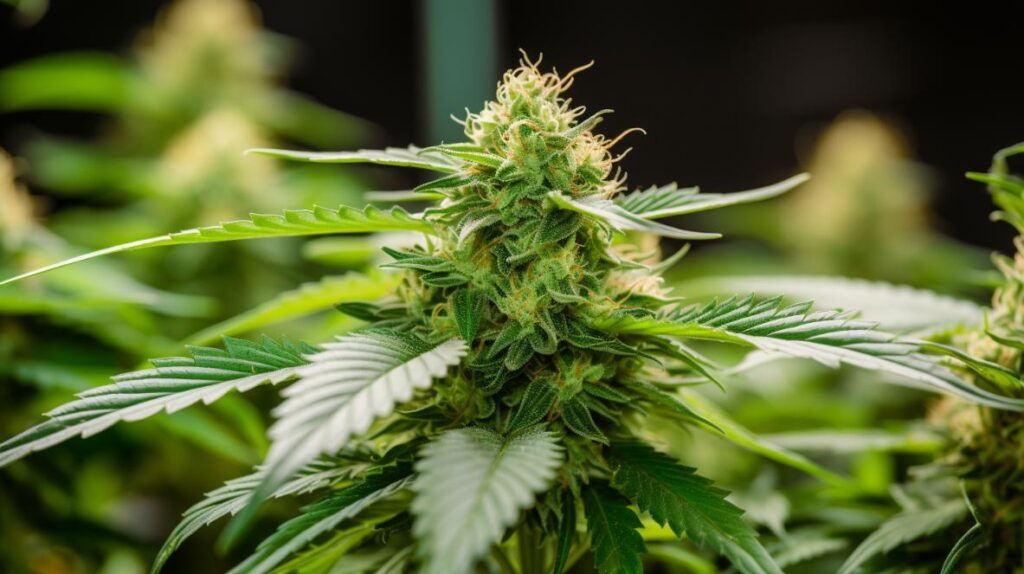
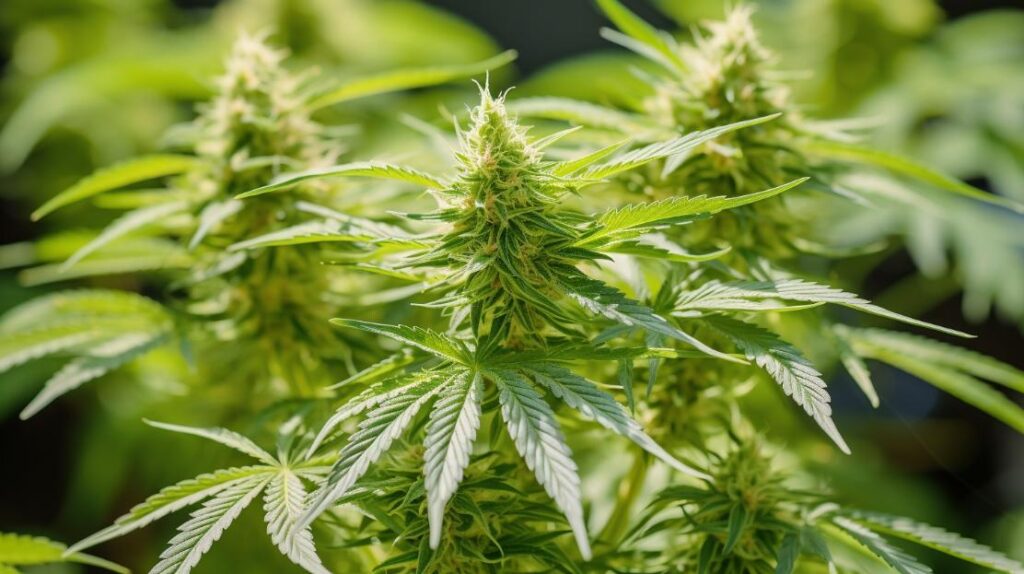
With its spade-shaped, flat olive green nugs accented by dark orange hairs and a coating of frosty amber crystal trichomes, the Wedding Pie strain presents an alluring and premium appearance. The strain’s visual characteristics do not merely serve aesthetic purposes; they are indicative of its potency and the careful cultivation practices employed to ensure its quality. The olive green hue of the nugs demonstrates a rich presence of chlorophyll, suggesting that the plant was healthy and well-nourished throughout its growth cycle.
- Coloration: Olive green buds interspersed with bright auburn pistils, signaling a mature and well-cured product.
- Bud Structure: Spade-shaped and flat, indicating a density that is often associated with high-quality cannabis strains.
- Trichome Coverage: A generous layer of frosty amber crystal trichomes that hint at the strain’s potency and cannabinoid profile.
- Pistil Presentation: Dark orange hairs that stand out boldly against the lighter green backdrop, showcasing the strain’s genetic heritage and visual appeal.
Grow Information
Beyond its visual allure, Wedding Pie is renowned for its straightforward cultivation process, appealing to growers of various experience levels. This strain’s grow information indicates a resilience that makes it a favorable choice for novices, while its generous yields satisfy the efforts of more seasoned cultivators. Due to its indica heritage, Wedding Pie boasts a relatively expedited flowering phase, which is particularly advantageous for those seeking a quick turnaround.
The hardy nature of Wedding Pie makes it less susceptible to common pathogens, ensuring a robust growth cycle with minimal complications. It thrives in a range of environmental conditions, reducing the need for meticulous climate control. Here are some specific grow details in a concise table:
| Aspect | Information |
|---|---|
| Difficulty | Easy |
| Flowering Time | 8-9 weeks indoors / Late September outdoors |
| Yield Indoor | Up to 13 oz/sq meter |
| Yield Outdoor | Up to 18 oz/plant |
| Climate Resistance | High |
The information above provides a snapshot of the Wedding Pie strain’s cultivation parameters, underscoring its practicality and the potential for a satisfying harvest.
Adverse Effects
Wedding Pie’s higher THC content, although beneficial for its calming effects, can also precipitate undesirable reactions such as anxiety, paranoia, and dry eyes in some users. As with many cannabis strains that possess a high-THC profile, the Wedding Pie Strain is no exception in potentially eliciting adverse effects that can detract from its otherwise therapeutic benefits.
The manifestation of these effects can be influenced by a variety of factors, including the user’s individual physiology, tolerance levels, and even the context of use. It is crucial for consumers to approach the use of Wedding Pie with awareness and caution to mitigate the onset of any negative experiences.
The following list details some of the most commonly reported adverse effects associated with the Wedding Pie Strain:
-
Anxiety: A heightened state of nervousness or worry that may become overwhelming, particularly in new or low-tolerance users.
-
Paranoia: Irrational discomfort or fear of being judged or harmed, often exacerbated in high-THC strains.
-
Dry Eyes: A common cannabinoid-induced symptom, resulting in discomfort and a stinging sensation in the eyes.
-
Dizziness: Some individuals may experience lightheadedness or a sense of imbalance after consumption.
To minimize these negative impacts, users are advised to consume Wedding Pie Strain responsibly and in a safe, comfortable environment.
Comparisons with Similar Strains
The Wedding Pie strain distinguishes itself from other indica-leaning hybrids like Purple Punch and Do-Si-Dos through its unique terpene profile and nuanced effects.
While Purple Punch is renowned for its sedating qualities, primarily driven by a terpene composition rich in myrcene, Wedding Pie’s dominant B-caryophyllene terpene contributes to a different effect—offering a more balanced sense of relaxation without heavily sedative properties. This makes Wedding Pie a preferred choice for those seeking to maintain some level of functionality and alertness.
Moreover, compared to Do-Si-Dos, which often delivers a potent cerebral high accompanied by a deep body melt, Wedding Pie leans more into the realm of Pie Marijuana hybrids that are celebrated for their complex aromatics and a high that intertwines mental uplift with physical ease. Its higher average THC level of 20%-22% also positions Wedding Pie as a more robust option for those with greater tolerance levels, providing a substantial body high that can adeptly address symptoms of chronic pain and inflammation.
The intricate balance of therapeutic efficacy and recreational enjoyment found in Wedding Pie is indicative of its hybrid genetics, resulting in a multifaceted experience that stands out in the diverse cannabis landscape.
Research and Studies
Although research on the Wedding Pie strain specifically is limited, studies on its dominant terpene, B-caryophyllene, suggest potential therapeutic benefits in the treatment of anxiety and inflammation. The chemical profile of the Wedding Pie strain, highlighted by its significant B-caryophyllene content, aligns with recent scientific inquiries into the medicinal properties of cannabis terpenes.
-
Activation of CB2 Receptors: B-caryophyllene is unique among terpenes due to its ability to bind to CB2 receptors, which play a significant role in modulating inflammation and pain.
-
Anxiolytic Properties: Research indicates that B-caryophyllene may exert anxiolytic effects, which could help explain the anxiety relief reported by some users of the Wedding Pie strain.
-
Anti-inflammatory Action: Studies on B-caryophyllene have shown it to possess substantial anti-inflammatory properties, potentially beneficial for conditions like arthritis or Crohn’s disease.
-
Neuroprotective Potential: Emerging evidence suggests that B-caryophyllene might offer neuroprotective benefits, hinting at its possible role in alleviating neurodegenerative disorders.
This strain’s research and studies underscore the importance of terpene profiles in understanding the complex pharmacology of cannabis and its therapeutic applications.
The Wedding Pie strain, with its particular terpene synergy, warrants further investigation to elucidate its full spectrum of effects and potential medical uses.
History and Origin
Originating from the innovative breeding techniques of Cannarado Genetics, the Wedding Pie strain combines the legacy of its parent strains, Wedding Cake and Grape Pie, to offer a unique twist on their classic effects. This meticulously crafted hybrid leverages the robust genetic lineage of its predecessors.
Wedding Cake, itself a phenotype of the renowned Triangle Mints strain, is celebrated for its potent psychoactive properties and a sweet, earthy flavor profile. Grape Pie, on the other hand, brings a rich, fruity aroma and a deeply relaxing influence, rounding out the hybrid’s complexity.
With an indica to sativa ratio skirting a 60:40 distribution, Wedding Pie embodies the quintessential balance sought by experienced cultivators, aiming to harness the sedative effects of indica without fully relinquishing the euphoric and cerebral stimulation associated with sativa strains. The result of this genetic amalgamation is a strain with an average THC concentration ranging between 20%-22%, rendering it a formidable yet manageable option for both recreational and medicinal consumers.
The spade-shaped olive green nugs adorned with dark orange hairs are a visual testament to the strain’s heritage, signaling a premium cannabis experience that pays homage to the nuanced terpene profiles and cannabinoid potencies of the Wedding and Pie lineage.
Frequently Asked Questions
Is Wedding Pie an Indica or Sativa?
The categorization of cannabis strains into indica or sativa is determined by their genetics and consumption effects. A strain’s genetics influence whether its effects are more sedative (indica) or energizing (sativa).
Is Pie Strain Indica or Sativa?
The term "Pie strain" reflects a variety of cannabis with unspecified strain origins. Its indica or sativa classification would depend on the terpene profile and genetic heritage specific to the plant’s lineage.
Is the Wedding Tree Strain a Sativa or Indica?
The Wedding Tree strain exhibits a genetic heritage integrating both sativa and indica qualities. Consumption effects typically reflect this hybrid nature, providing users with a blend of cerebral invigoration and physical relaxation.
What Is the Wedding Cake Arousal Strain?
The term "Wedding Cake arousal strain" likely refers to a cannabis variety with a flavor profile suggestive of sweet confection and potentially therapeutic uses for enhancing mood and intimate experiences through its psychoactive effects.

Responses