
Cotton Candy (aka Cotton Candy Kush)


In the diverse world of cannabis strains, the Cotton Candy Strain, or Cotton Candy Kush, stands out for its unique combination of sensory and therapeutic attributes.
Originating from a crossbreed between Lavender and Power Plant, this indica-dominant hybrid presents an intricate profile that intrigues both connoisseurs and those seeking relief from various ailments.
While its genetic lineage promises a bouquet of sweet flavors reminiscent of its namesake, the high THC content calls for a mindful approach to its use.
The purported effects suggest an intricate dance between euphoria and relaxation, potentially beneficial for pain management and stress relief.
Yet, as with any potent strain, the Cotton Candy Strain is not without its potential drawbacks.
The discussion ahead aims to dissect the complexities of this strain, from its cultivation nuances to the spectrum of its effects on the end-user, inviting a closer examination of its place within the ever-evolving tapestry of cannabis varieties.
Genetic Lineage
Tracing its roots to a rich genetic tapestry, the Cotton Candy strain emerges as an indica-dominant hybrid, intricately woven from the strains of Afghani and Hawaiian, further refined with the essence of Lavender. The Afghani parentage imparts a deep, resinous foundation often associated with classic indicas, inherited from the lineage’s history in the Hindu Kush mountain range.
Hawaiian, a tropical sativa, contributes a light, euphoric uplift to the blend, reminiscent of its island origins. Lavender, with its own complex heritage involving Skunk strains and a hint of Power Plant, adds a sophisticated, floral undertone to the profile.
Cotton Candy’s genetic lineage is not just about the heritage of its parent strains but also their harmonious synergy. The balance of sativa and indica influences results in a strain with an average THC content of around 20%, capable of delivering both a cerebral buzz and a relaxing body high.
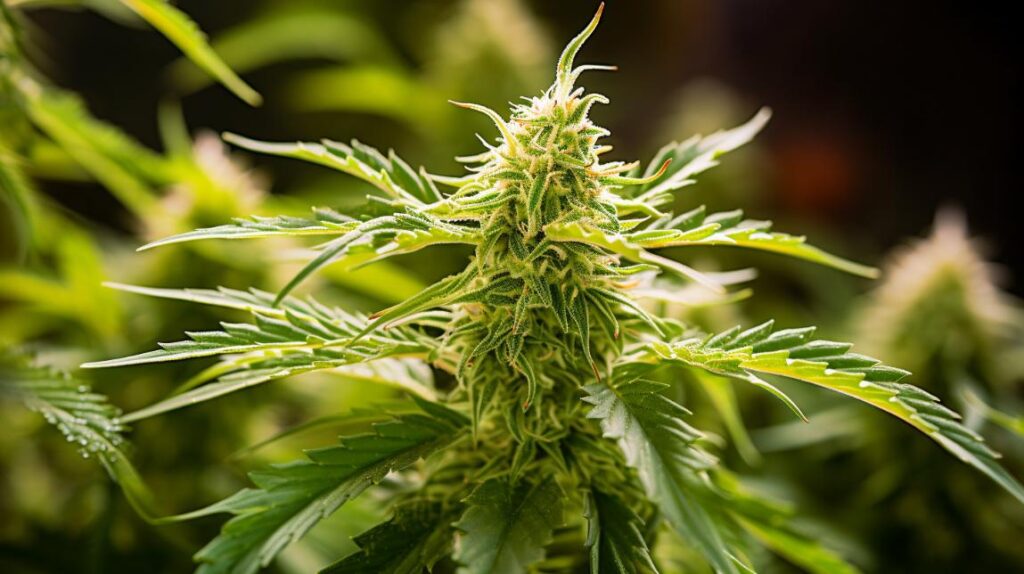
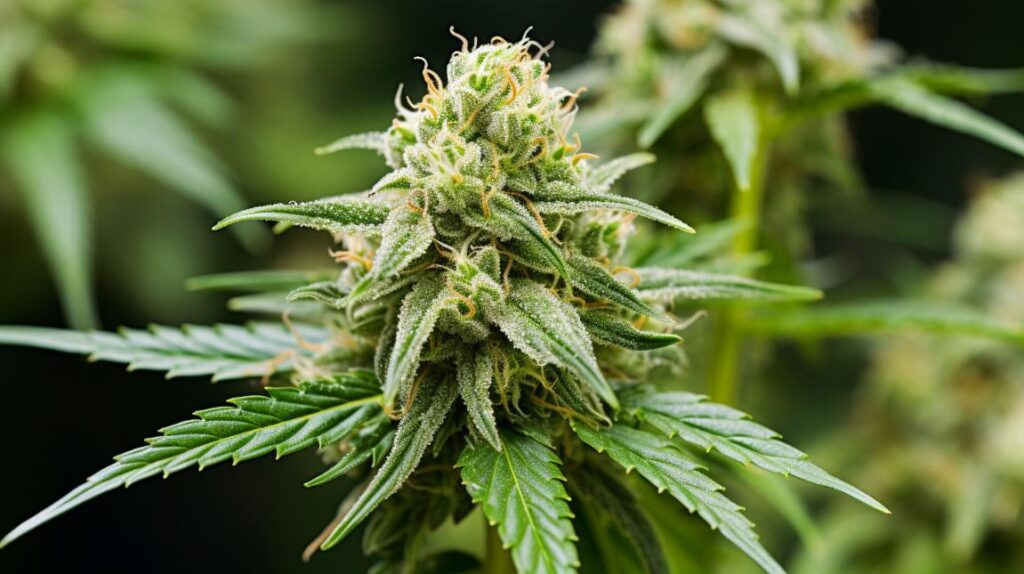
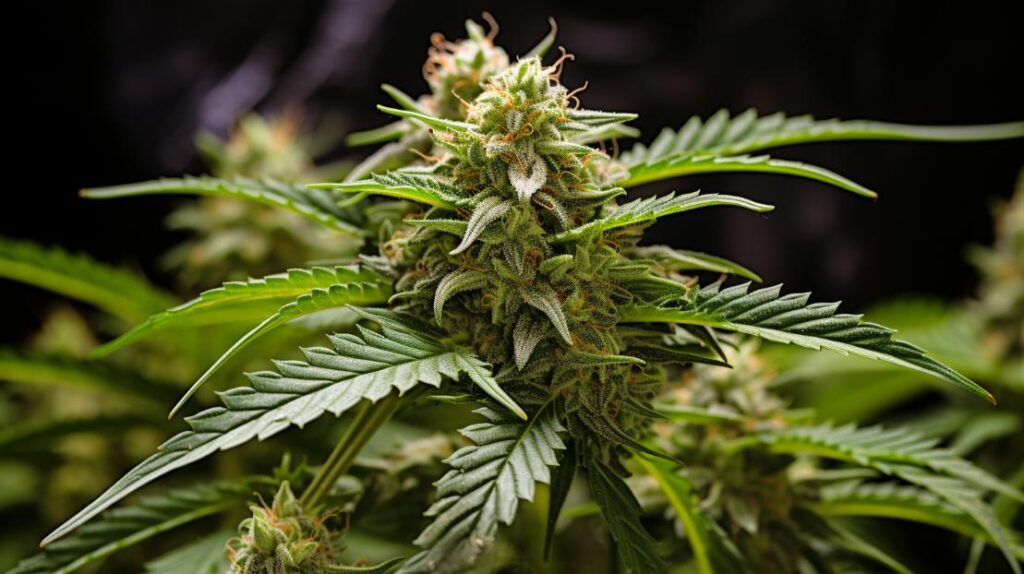
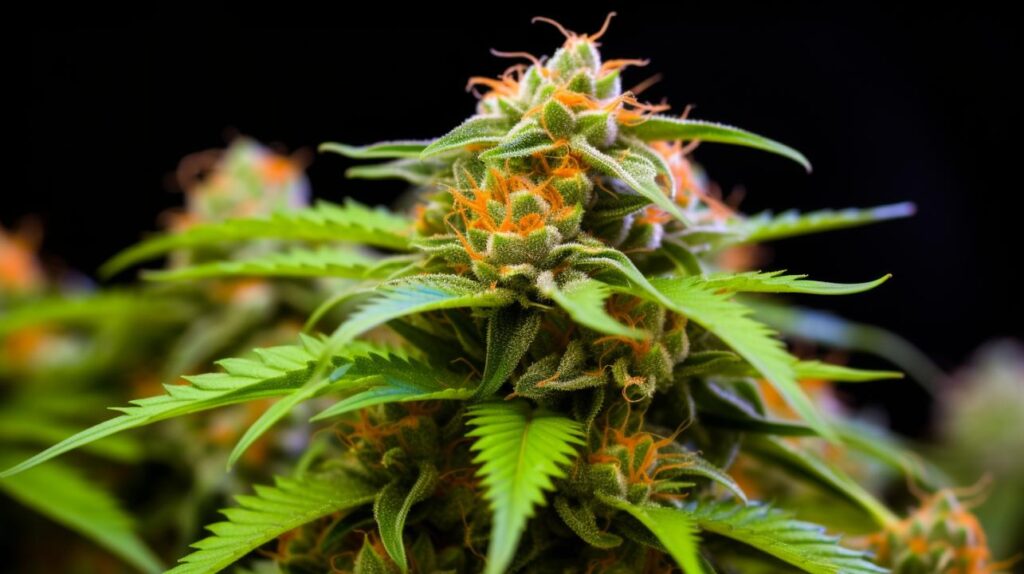
Its buds, dense and lush with deep green hues, violets, and burnt orange pistils, are a visual testament to its diverse ancestry. The copious trichomes glisten, hinting at the potency and sweet, candy-like aroma that gives Cotton Candy its name, appealing to both the novice and the connoisseur.
History and Origin
The Cotton Candy strain, also known as Cotton Candy Kush, is the result of a deliberate crossbreeding between the aromatic Lavender strain from Amsterdam and the robust Power Plant strain from South Africa. This hybridization has created a strain that boasts a genetic makeup of 70% Indica and 30% Sativa, reflecting its diverse ancestry which includes influences from Afghani and Hawaiian strains. These genetic contributors are essential in shaping the unique characteristics of the Cotton Candy Kush.
With its origins deeply rooted in a rich tapestry of global genetics, Cotton Candy Kush has been popularized and become widely accessible. This is especially true in regions such as the West Coast of the United States, Arizona, Colorado, and British Columbia, where it has found a receptive audience among cannabis connoisseurs. Known for its distinctive sweet aroma that mirrors the classic carnival treat it’s named after, Cotton Candy Kush’s development and subsequent introduction to the market have made it a favored choice for those seeking a balance of flavor and effect.
The strain’s history is a testament to the art of cannabis cultivation and the continuous pursuit of new and refined sensory experiences.
THC/CBD Content
Having explored the rich heritage and global influences that gave rise to the Cotton Candy Kush, it is essential to examine its cannabinoid profile, which is characterized by THC levels ranging from 17% to 22% and a CBD content around 1%. The Cotton Candy strain’s notable THC content signifies its potency and positions it above many average strains in terms of psychoactive effects. Users can expect a blend of euphoria and relaxation, making it a popular choice for those seeking to manage chronic pain or to unwind after a stressful day.
The genetic lineage, with roots from both Afghani and Hawaiian strains, has endowed the Cotton Candy strain with such high THC levels. This ancestry not only contributes to its strength but also to its complex aroma and flavor profile. Despite its relatively low CBD content, the balance of cannabinoids in Cotton Candy Kush is appreciated by both recreational and medicinal users.
Here is a breakdown of the THC and CBD content in the Cotton Candy strain:
| Cannabinoid | Percentage |
|---|---|
| THC | 17% – 22% |
| CBD | ~1% |
| Average THC | > Average |
| Effects | Euphoria/Relaxation |
Understanding this cannabinoid composition is crucial for consumers to align their expectations with the experience that the Cotton Candy strain can provide.
Terpene Profile
Delving into the Cotton Candy strain’s terpene profile reveals a symphony of aromatic compounds, namely Limonene, Caryophyllene, and Linalool, which orchestrate its distinctive citrus, floral, and peppery notes. These terpenes are key players in defining the olfactory and therapeutic character of the Candy Cannabis Strain, making it a strain that smells as delightful as it sounds.
Limonene, recognized for its sharp, citrusy aroma, is the dominant terpene in this mix. It is often associated with uplifting and mood-balancing effects, which may contribute to the strain’s popularity among users seeking a mental lift.
Caryophyllene follows closely, imparting a spicy, peppery kick to the strain’s fragrance. It is unique among terpenes for its ability to interact with the body’s endocannabinoid system, potentially offering calming and relaxing properties without inducing a full body high.
In contrast, Linalool is present in more modest quantities, yet it plays a significant role in rounding out the Candy Cannabis Strain’s scent profile with its subtle floral hints. This terpene is also celebrated for its potential to aid in relaxation, adding another layer to the strain’s multifaceted appeal.
Understanding this terpene profile is essential for users to identify strains with similar effects and flavors, allowing for more informed choices that align with individual preferences.
Effects
Amidst the myriad of cannabis strains, Cotton Candy Kush distinguishes itself through its ability to induce a state of euphoria, often accompanied by a sense of gaiety and an uplifted mood. This particular variety is sought after for its well-rounded effects that cater to both mind and body. Users report a significant calming body sensation, which contributes to its popularity among those looking to alleviate physical discomfort without heavy sedation.
The Cotton Candy Kush experience is often described as a body high that soothes without incapacitating, allowing for relaxation with a retained sense of alertness. However, as with any cannabis strain, it is important to approach with mindfulness due to its higher than average THC potency, which ensures a potent experience but also warrants caution for those sensitive to THC’s effects.
To paint a clearer picture, the following are some key highlights of Cotton Candy Kush’s effects:
- Euphoric and happy sensations that may invoke laughter and joy.
- Relaxing properties that provide a calming body feel, aiding in stress relief.
- Potential for managing chronic pain thanks to its body high.
- Notable side effects can include dry mouth and eyes, and in rare cases, feelings of paranoia.
The flavors accompanying these effects are equally as delightful, marked by cherry tones with floral undertones, enhancing the overall sensory experience.
Medical Uses
Building on its well-established recreational benefits, the Cotton Candy Kush strain also offers a spectrum of therapeutic applications, particularly in the realm of pain management and mood disorders. The relaxing effects of this strain make it an effective tool for managing chronic pain, presenting it as a choice for patients seeking alternatives to traditional painkillers. Its potential to alleviate symptoms of anxiety, stress, and depression is also noteworthy, as it promotes relaxation and mood balance conducive to overall well-being.
The following table provides a concise overview of the medical uses of the Cotton Candy strain:
| Medical Use | Benefit | Consideration |
|---|---|---|
| Chronic Pain Management | Offers relief without grogginess | Suitable for daytime use |
| Anxiety and Stress | Promotes relaxation and mood balance | May help in daily stress management |
| Depression | Alleviates depressive symptoms | Aids in emotional well-being |
| Migraines and Headaches | Potential relief from pain | Alternative to conventional treatments |
| Everyday Stress | Enhances mood, reduces stress levels | Contributes to mental health |
Flavor and Aroma
The Cotton Candy Kush strain entices the senses with a symphony of sweet, fruity aromas and flavors, reminiscent of its namesake, interwoven with subtle floral and peppery notes. This particular strain has garnered attention not only for its effects but also for the delightful sensory experience it provides. Users often report a complex bouquet that mirrors the playful and nostalgic associations of carnival cotton candy.
To paint a vivid picture of the Cotton Candy strain’s flavor and aroma profile, consider the following characteristics:
- Sweet and fruity notes with hints of cherry and flowers create a pleasing aroma that is both inviting and comforting.
- The taste is often described as a replication of cotton candy, offering a sweet and enjoyable experience that lingers on the palate.
- The flavor profile is rich, blending sweet, doughy, and citrus notes that are complemented by floral and peppery undertones for a complex taste.
- The aroma exudes a pleasant, enjoyable scent that not only hints at cotton candy but also at a variety of other candy-like undertones, making it a favorite among users with a sweet tooth.
These attributes contribute to the Cotton Candy strain’s popularity, as its flavor and aroma enhance the overall enjoyment of the consumption experience.
Appearance
Bearing a visual allure that matches its sensory appeal, the Cotton Candy strain features dense, fluffy buds tinged with a palette of pastel greens and vibrant purples, all wrapped in a sugary coat of trichomes. This visual aspect of this strain is not only captivating but suggests the potency and quality that lies within.
The trichomes gleam with a crystalline sheen, reminiscent of the confectionary delight from which this strain derives its name, hinting at the rich cannabinoid profile.
The buds display an almost ethereal aesthetic, with the interplay of colors and the frost-like trichomes creating an impression of a fantasy landscape. Each nugget is a testament to the strain’s careful cultivation, with the saturation of hues ranging from soft lime to deep lavender, indicative of the strain’s hybrid genetics. The strain is dope in both appearance and effect, a feast for the eyes before it becomes a delight for the senses.
Connoisseurs and casual consumers alike can appreciate the attention to detail in the appearance of the Cotton Candy strain, its beauty belying the complexity of its lineage. Notably, this aesthetic appeal extends to its robust development and structure, revealing traits inherited from its diverse parentage.
Grow Information
Cultivators of the Cotton Candy strain can anticipate generous yields, provided they maintain conditions conducive to the plant’s indica-dominant genetics and flowering cycle of approximately 8-9 weeks. The strain’s heritage, originating from a cross between Power Plant and Lavender, has endowed it with qualities that allow it to thrive in both indoor and outdoor environments, offering flexibility to growers with varying levels of experience.
When considering the grow information for the Cotton Candy strain, it’s integral to highlight the following points:
- Climate: Prefers a mild to warm climate with adequate air circulation to prevent mold and pests.
- Nutrients: Requires a balanced feeding regimen with an emphasis on phosphorus during the flowering stage for optimal bud development.
- Training Techniques: Benefits from low-stress training (LST) and pruning to maximize light exposure and air flow, leading to better yields.
- Harvest: The right time to harvest is when trichomes are milky white with some turning amber, indicating peak THC levels.
The Cotton Candy strain is known for its captivating aroma and potent effects, making it a favorite among consumers and growers alike. By adhering to these grow information guidelines, cultivators can ensure a successful harvest of this delightful strain.
Adverse Effects
While the Cotton Candy strain entices with its sweet aroma and potent effects, users may experience adverse reactions such as dry mouth and dry eyes. Known colloquially as cottonmouth, dry mouth is a frequent side effect when indulging in this strain. It may lead to a feeling of dehydration, prompting a need to increase fluid intake.
Dry eyes, another common inconvenience, can result in sensations of discomfort and irritation, necessitating the use of lubricating eye drops for some individuals.
In cases where the Cotton Candy strain is consumed in higher doses, or by individuals with a particular sensitivity to THC, there is a potential risk of paranoia. This undue anxiety can be unsettling, detracting from the otherwise enjoyable experience. Additionally, dizziness is a possible adverse effect, which may compromise coordination and balance, making activities that require focus or physical exertion more challenging.
As with many strains that induce a significant body buzz, it is advisable to reserve the Cotton Candy strain for night time use, particularly for those prone to the aforementioned effects. By doing so, users can mitigate the risk of discomfort and maximize the strain’s benefits as a relaxant.
Comparisons with Similar Strains
Exploring the Cotton Candy strain in relation to its peers, we find that its uplifting and energizing effects are akin to those of Sour Jack, another popular variety in the cannabis community. As we delve into comparisons with similar strains, it’s clear that both Cotton Candy and Sour Jack hold positions as one of the best choices for users seeking a boost in mood and a surge of vitality.
While both share a citrusy aroma, each strain offers a unique sensory experience:
-
Citrus Aroma: Both strains boast a citrus scent, yet Cotton Candy is layered with sweet, fruity undertones, while Sour Jack offers a tangy scent reminiscent of sour candy.
-
Mood Enhancing: They are frequently chosen to alleviate stress, depression, and fatigue, thanks to their mood-enhancing properties.
-
Genetic Makeup: Cotton Candy is an indica-dominant hybrid that provides relaxation without heavy sedation, contrasting with Sour Jack’s sativa-dominant profile, which is more stimulating.
-
Flowering Time: Sour Jack has a slightly longer flowering period of 9 to 10 weeks compared to Cotton Candy’s 8-9 weeks.
Both strains are celebrated for their distinct characteristics, yet they share a common ground in their ability to elevate the consumer’s spirits and energize the mind.
Research and Studies
Building on the sensory and effectual comparison between Cotton Candy and similar strains, research and studies offer insight into its therapeutic potential and genetic composition. As an indica-dominant hybrid descending from Power Plant and Lavender, the Cotton Candy strain stands out for its aromatic allure and substantial therapeutic benefits. With its higher than average THC levels, it is often cited as one of the best indicas for those seeking potent relief from chronic pain. Moreover, its efficacy extends to the alleviation of anxiety, migraines, and stress, which is a testament to its versatility in medicinal applications.
The terpene profile of the Cotton Candy strain, including key components like Limonene, Caryophyllene, and Linalool, has been analyzed in various studies. These terpenes are credited with providing the strain’s characteristic sweet, floral, and peppery notes, which contribute to its calming and uplifting effects. User feedback reinforces these findings, with an impressive average rating indicating a high level of satisfaction among users who have experienced the cotton candy strain’s mood-balancing impact.
| Aspect | Detail |
|---|---|
| Genetics | Power Plant x Lavender |
| THC Levels | Higher than average |
| Medicinal Uses | Anxiety, Migraines, Stress Relief |
| User Rating | 4.7/5 |
Informed by research, the Cotton Candy strain emerges as a distinguished member within the cannabis community, acclaimed for both its sensory profile and its tangible benefits to users.
Frequently Asked Questions
Is Cotton Candy Strain Sativa or Indica?
The current inquiry pertains to the classification of a hybrid within the context of cotton hybridization, focusing on its indica or sativa dominance and the associated flavor profiles.
Is Candy an Indica or Sativa?
Candy strains exhibit varied growth patterns and taste exploration, with indica types often providing a sweet, robust flavor profile, while sativa varieties may offer more energetic effects and a lighter, fruity taste.
What Strain Is Cotton Candy Grape?
The Cotton Candy Grape strain exhibits a complex flavor profile, with grape genetics contributing to its distinctive sweet taste, reminiscent of the actual fruit, and offering a unique twist on traditional grape varieties.
Which Strain Is Best for High?
The optimal strain for a potent high depends on individual preference, strain genetics, and consumption methods, with indica-dominant hybrids often providing a strong euphoric and relaxing effect due to their specific cannabinoid profiles.


Responses