
Kush Mountain

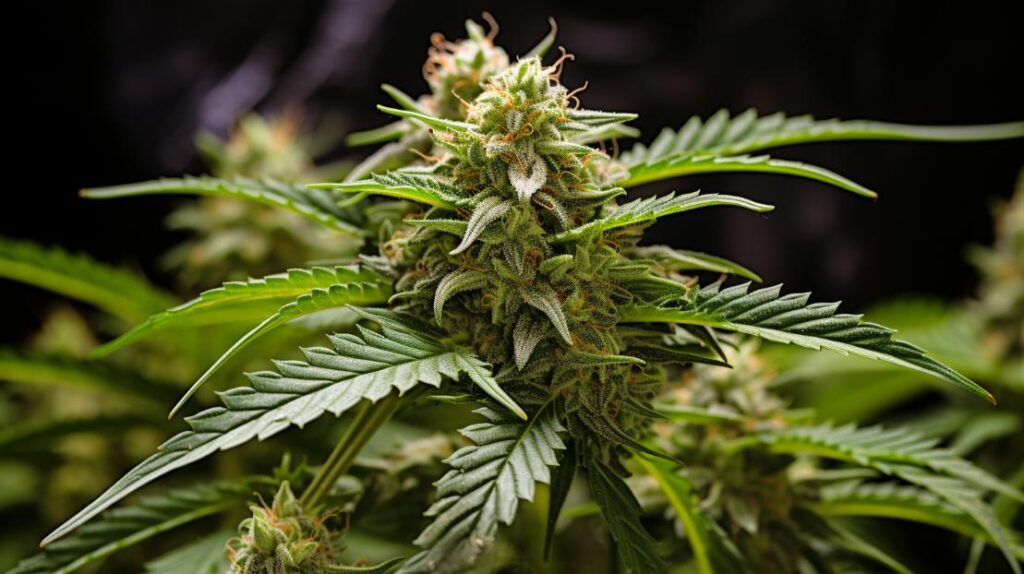
The Kush Mountain strain, a sophisticated blend of White Walker Kush and Blue Flame, presents an intriguing subject for discussion among cannabis connoisseurs and medical patients alike due to its notable THC concentration of up to 32%. This sativa-dominant hybrid is distinguished by its visually striking buds, imbued with purple hues and orange filaments, and a complex flavor profile that hints at a rich botanical tapestry.
Given its potent effects and potential therapeutic applications, ranging from stress relief to mitigating inflammation, the discourse surrounding Kush Mountain encompasses both its recreational allure and its medicinal prospects.
As we examine its genetic lineage, cannabinoid composition, and the nuances of its terpene profile, a deeper understanding of its unique position within the cannabis panorama emerges, inviting further exploration into its multifaceted attributes.
Genetic Lineage
The Kush Mountain strain emerges from a carefully selected genetic lineage, resulting from the crossbreeding of White Walker Kush with Blue Flame strains, incorporating both sativa and indica characteristics to produce a versatile and potent hybrid. This meticulously crafted union has given rise to an indica dominant hybrid strain that exemplifies the best qualities of its parentage. The genetic makeup of Kush Mountain leans heavily towards the indica side, offering a deeply relaxing effect that is symptomatic of its White Walker Kush heritage.
Expert breeding techniques have ensured that Kush Mountain carries forward the robust genetic traits of its forebears, blending the intense relaxation effects of an indica with the uplifting and stimulating characteristics of a sativa. This dynamic combination results in a strain that is uniquely equipped to provide therapeutic relief from a variety of conditions such as stress, depression, inflammation, and fatigue, making it a popular choice among users seeking a balanced yet potent cannabis experience.
The prominence of Kush Mountain in the cannabis community can be attributed to its dominant hybrid strain status, which combines the calming presence of the White Walker lineage with the invigorating effects of the Blue Flame strains. This genetic synthesis has produced a strain that stands out for its ability to deliver a complex and satisfying cannabis experience.
THC/CBD Content
Having explored the genetic lineage of Kush Mountain, it is now pertinent to examine its cannabinoid composition, particularly its THC and CBD content, to understand the underpinnings of its potency and therapeutic potential. The Kush Mountain strain, with its rich genetic background influenced by dominant Blue Flame and Kush variants, showcases a complex cannabinoid profile that is both potent and balanced, catering to the needs of experienced cannabis consumers and patients alike.
-
High THC Content: Ranging between 25-29% THCa and 1.23% THC, Kush Mountain is on the higher end of the potency spectrum. This makes it particularly suitable for users with a tolerance for THC or those seeking strong effects.
-
CBD and CBG Levels: Although lower, the presence of 0.41% CBD and 0.39% CBG contributes to the expected potency levels and adds to the strain’s therapeutic profile.
-
Balanced Cannabinoid Profile: Despite its dominant THC content, the balanced presence of CBD and CBG in Kush Mountain ensures a potent yet nuanced experience, highlighting its potential for both recreational enjoyment and therapeutic benefit.
Terpene Profile
Delving into the terpene profile of Kush Mountain reveals a sophisticated blend of myrcene, limonene, and caryophyllene, each contributing uniquely to the strain’s aromatic and therapeutic qualities. Myrcene, the most abundant terpene in Kush Mountain, is renowned for its relaxing effects, making it a cornerstone of the strain’s allure. Limonene, with its unmistakable citrus aroma, significantly enhances the flavor profile, adding a fresh, uplifting note. Meanwhile, caryophyllene introduces a peppery and earthy dimension, rounding out the overall sensory experience. This trinity of terpenes combines to elevate Kush Mountain beyond its competitors, including the likes of Blue Flame, by offering a complex symphony of scents and potential therapeutic benefits unique to the Kush Mountains.
| Terpene | Scent/Aroma | Potential Effects |
|---|---|---|
| Myrcene | Earthy, musky | Relaxation, enhanced calmness |
| Limonene | Citrus | Mood elevation, stress relief |
| Caryophyllene | Peppery, spicy | Anti-inflammatory, analgesic |
This terpene profile not only defines Kush Mountain’s distinctive bouquet but also hints at the nuanced experiences it may offer, setting a high benchmark within the cannabis industry for complexity and depth.
Effects
Exploring the terpene profile of Kush Mountain sets the stage to understand its multifaceted effects on users, ranging from a sense of arousal and tingling to upliftment. This indica-dominant strain, with its balanced cannabinoid content, is particularly known for creating a deeply feeling relaxed state. Its top terpenes—myrcene, limonene, and caryophyllene—play pivotal roles in not only the aromatic experience but also in the therapeutic effects observed.
When consumed, Kush Mountain’s effects can be profound and immediate. Users often report a noticeable enhancement in their senses, making music more vibrant and food more flavorful. This sensory augmentation contributes to an overall mood elevation, providing a sense of well-being and contentment that can help ease the stresses of the day.
- Feeling Relaxed: A core effect that aids in unwinding and stress relief.
- Enhanced Senses: Heightened sensory perception, intensifying experiences.
- Mood Elevation: A positive shift in mood, fostering a sense of happiness and upliftment.
While these effects are generally positive, it’s important to note that some individuals may experience less desirable outcomes such as anxiety, dry eyes, or headaches. As with any cannabis strain, effects can vary widely among different users.
Medical Uses
The Kush Mountain strain, renowned for its therapeutic efficacy, plays a pivotal role in addressing a spectrum of medical conditions, including stress, anxiety, chronic pain, and sleep disorders. Its effectiveness in managing stress and anxiety, along with its ability to quell racing thoughts, is supported by a growing body of patient testimonials. Individuals report significant relief following dosage recommendations tailored to their specific needs, highlighting the strain’s versatility in therapeutic settings.
Alternative consumption methods, such as edibles and tinctures, offer patients diverse options for integrating Kush Mountain into their treatment plans. These methods, along with strategic strain combinations, can enhance the therapeutic outcomes for patients, particularly those seeking targeted relief from chronic pain or looking to stimulate appetite.
Understanding the long-term effects and potential interactions of Kush Mountain is crucial for patients and healthcare providers alike. While the immediate benefits for insomnia and nighttime use are well-documented, ongoing research is essential to fully grasp the strain’s broader impact on patients’ health. This includes monitoring for any adverse reactions when combined with other medications or therapies, ensuring a comprehensive approach to patient care and maximizing the strain’s medical potential.
Flavor and Aroma
Beyond its therapeutic applications, the Kush Mountain strain captivates with a complex sensory profile, characterized by a pungent aroma intertwined with skunk and pine notes. This aromatic bouquet is further enriched by subtle hints of herbs and pepper, hinting at the strain’s intricate terpene composition. When ground, Kush Mountain reveals a surprising sweetness, reminiscent of sugary funk with berry undertones, showcasing its versatility in flavor and aroma.
The primary terpenes found in Kush Mountain, such as pinene, linalool, and caryophyllene, contribute to its distinctive scent and taste. These compounds are known for their therapeutic properties, but they also play a crucial role in the strain’s sensory appeal. When smoked, Kush Mountain delights the palate with a unique combination of chocolate, mint, and pine flavors, offering a sophisticated and multi-layered experience.
To further engage with the Kush Mountain strain, consider the following applications:
- Pairing recommendations: Explore the strain’s complex profile by pairing it with complementary foods or beverages to enhance its chocolate and mint notes.
- Cooking applications: Incorporate Kush Mountain into culinary creations, particularly in recipes that benefit from its aromatic herbs and sweetness.
- Scented candles: Utilize the strain’s rich aroma in the creation of scented candles, bringing its calming and distinctive fragrance into your living space.
Appearance
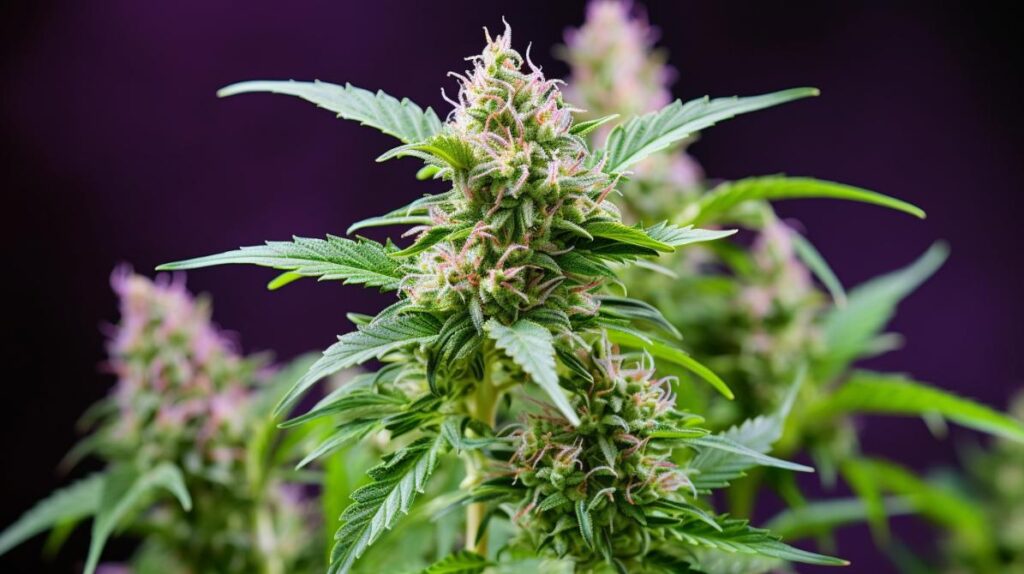
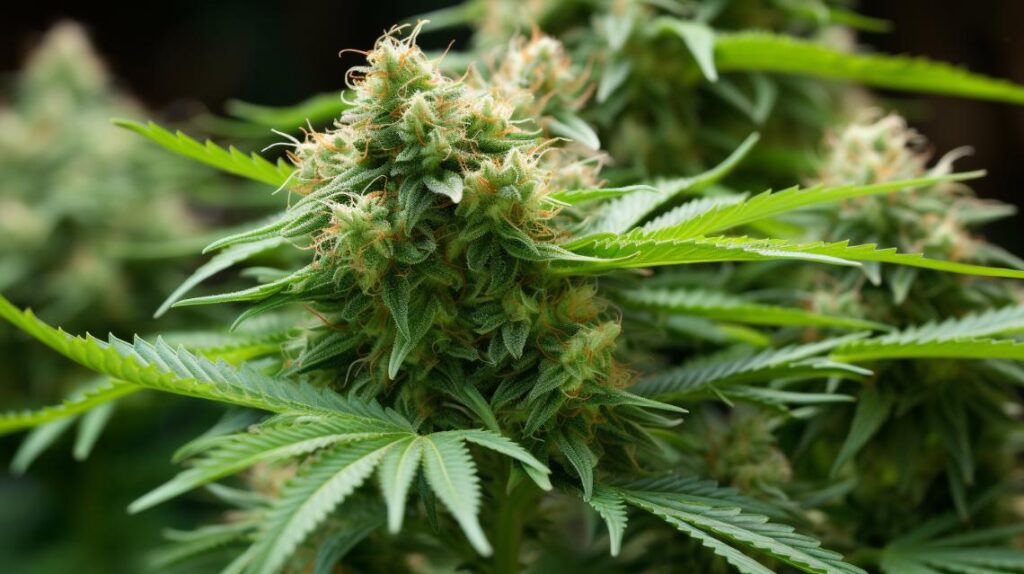
With its oversized buds adorned with purple undertones and vibrant orange hairs, the Kush Mountain strain presents a visually striking and distinctive appearance. This particular phenotype showcases a meticulous interplay between aesthetics and genetics, resulting in buds that not only captivate the eye but also signify a promise of quality and potency. The purple undertones, a result of anthocyanin pigments influenced by specific environmental factors, contrast vividly with the fiery orange hairs, or pistils, that serve as the reproductive organs of the cannabis plant. These pistils, turning from white to their final orange hue as the plant matures, indicate readiness for harvest.
The visual appeal of the Kush Mountain strain extends beyond mere color contrast; the oversized nature of the buds suggests a robust genetic lineage capable of producing abundant yields. This physical manifestation of the strain’s vigor is often associated with high-quality cannabis, attracting connoisseurs and aficionados alike. The allure of Kush Mountain’s appearance, therefore, is not solely aesthetic but also an indication of the meticulous care and selective breeding practices that have gone into its cultivation. In essence, the distinct visual characteristics of Kush Mountain—highlighted by its purple undertones and orange hairs—add significantly to its overall desirability, setting it apart in a crowded market of cannabis varieties.
Grow Information
Cultivators of the Kush Mountain strain enjoy the flexibility of nurturing this robust variety in both indoor and outdoor environments, benefiting from its adaptability and high resistance to common botanical afflictions. This strain thrives in warm, sunny climates, ideally with temperatures maintained between 70-80 degrees Fahrenheit. When cultivated indoors, it has a flowering time of approximately 8-9 weeks, while outdoor growers can expect yields up to 16 ounces per plant. Its resilience against molds and mildews makes it a favorable option for both novice and experienced growers seeking a high-quality cannabis strain.
To optimize the growth and yield of Kush Mountain, consider the following cultivation techniques:
- Pruning Techniques: Regular pruning will encourage better airflow and light penetration, crucial for the development of dense, resinous buds. Removing lower, less productive branches can also redirect energy to the more promising top colas.
- Nutrient Schedules: Implementing a precise feeding schedule that matches the plant’s growth stage is vital. High nitrogen levels are recommended during the vegetative stage, shifting to higher phosphorus and potassium ratios during flowering.
- Training Methods: Techniques such as Low-Stress Training (LST) or the Screen of Green (ScrOG) method can significantly increase yields by exposing more of the plant to light.
These cultivation practices, tailored to the Kush Mountain strain’s specific needs, promise a rewarding growing experience and a potent harvest.
Adverse Effects
While the cultivation of Kush Mountain strain offers numerous benefits in terms of yield and disease resistance, it is essential to also consider the potential adverse effects that users may experience. Among these, feeling anxious has been frequently reported. Anxiety management is crucial for users, and adopting prevention strategies such as starting with lower doses can mitigate this effect. Professionals advocate for a cautious approach, especially for those with a predisposition to anxiety disorders.
Dry eyes are another common adverse effect linked to the Kush Mountain strain. For relief, the application of eye drops specifically designed to lubricate the eyes can offer immediate alleviation. This simple yet effective solution ensures that users can enjoy their experience without discomfort.
Furthermore, some individuals have reported experiencing headaches after consuming Kush Mountain. Adequate hydration is a cornerstone in headache prevention, emphasizing the importance of drinking plenty of water before, during, and after consumption. This hydration tip not only helps in preventing headaches but also enhances the overall experience by mitigating potential adverse effects.
Understanding these adverse effects and employing strategies for anxiety management, dry eyes relief, and headache prevention can significantly improve the user experience with Kush Mountain strain.
Comparisons with Similar Strains
How does the Kush Mountain strain compare to its counterparts within the sativa dominant hybrid category, particularly in terms of THC content, effects, and genetic lineage?
With a staggering THC content of up to 32%, Kush Mountain stands at the pinnacle of potency among its peers. This elite strain distinguishes itself through a dynamic combination of effects, ranging from an immediate mood uplift to a profound wave of relaxation and bursts of creative inspiration. Originating from a unique cross between White Walker Kush and Blue Flame strains, its genetic lineage contributes to its distinctive oversized buds, adorned with purple undertones and vivid orange hairs.
Kush Mountain’s user experience is tailored for those seeking not only therapeutic relief from ailments such as stress, depression, inflammation, fatigue, and appetite loss but also an enriched sensory and cognitive journey.
- Effects comparison: Surpasses many popular alternatives with its high THC level, offering a more intense and lasting experience.
- User experience: Provides a multifaceted high that balances mood elevation, relaxation, and creativity, outshining many other strains in satisfaction and depth of experience.
- Popular alternatives: While there are numerous sativa dominant hybrids available, Kush Mountain’s unique genetic makeup and high THC content set it apart as a premium choice for connoisseurs and patients alike.
Research and Studies
Exploring the unique properties and impacts of the Kush Mountain strain, recent research and studies have illuminated its potent therapeutic potential and complex genetic makeup. With a high THC content ranging from 25-32%, depending on its cultivation, Kush Mountain is recognized for its indica-dominant effects that offer profound relaxation and stress relief. Advanced cultivation techniques have been pivotal in achieving such high levels of THC, emphasizing the importance of environmental control and genetic selection in enhancing its therapeutic qualities.
The strain’s flavor profile, enriched with hints of plum, sage, and tea, is attributed to its dominant terpenes: Myrcene, Limonene, and Caryophyllene. These terpenes not only contribute to its distinct aroma but also play a significant role in the strain’s overall effects, including its ability to provide relaxation. Research into consumption methods has highlighted a preference among users for inhalation, which facilitates a rapid onset of effects, though other methods like edibles are also explored for a prolonged experience.
User experiences collected through studies emphasize the strain’s effectiveness in managing stress, anxiety, and pain, pointing towards its significant therapeutic benefits. These insights into user experiences, combined with detailed analysis of cultivation techniques and consumption methods, contribute to a comprehensive understanding of the Kush Mountain strain’s potential.
History and Origin
The Kush Mountain strain, a sativa dominant hybrid, emerged from a meticulous crossbreeding of White Walker Kush with Blue Flame strains, showcasing a complex genetic lineage that contributes to its distinctive properties and high THC content. This carefully executed breeding process resulted in a strain consisting of 60% sativa and 40% indica genetics, positioning it as a notable contender in the cannabis market. With a THC content that can reach up to 32%, Kush Mountain presents itself as a potent option for users seeking a strong, stimulating high.
Key aspects of the Kush Mountain strain include:
- Origin details: Developed through the crossbreeding of White Walker Kush and Blue Flame, combining their best traits.
- Breeding process: The hybridization of these parent strains was aimed at achieving a balance between sativa and indica characteristics, alongside a high THC level.
- Strain popularity: Its effects on stress, depression, inflammation, fatigue, and appetite loss, complemented by its vibrant appearance—oversized buds with purple undertones and orange hairs—have contributed to its growing popularity among cannabis enthusiasts.
Frequently Asked Questions
What Strain Is Kush Mountain?
Kush Mountain is a sativa-dominant hybrid with genetic origins from White Walker Kush and Blue Flame, thriving in specific growing conditions. Its flavor profile is complex, aiding in stress relief and appetite stimulation.
Is Kush Strain Sativa or Indica?
Kush strains, originating from the Hindu Kush mountains, are primarily known for their indica genetics. However, through hybridization, they can exhibit sativa characteristics, complicating strain classification and highlighting challenges in defining sativa-indica lineage precisely.
What Is the Best Kush Strain?
Determining the best Kush strain involves considering its genetic history, flavor profiles, and growing tips. OG Kush, known for its complex flavors and robust genetics, is often favored for its balance and potency.
What Are the Benefits of Kush Strain?
Kush strains, originating from the Hindu Kush mountains, are renowned for their potent therapeutic properties. Expert cultivation enhances their efficacy in medical applications, notably in stress relief, pain management, and promoting restful sleep.

Responses