
Candy Jack

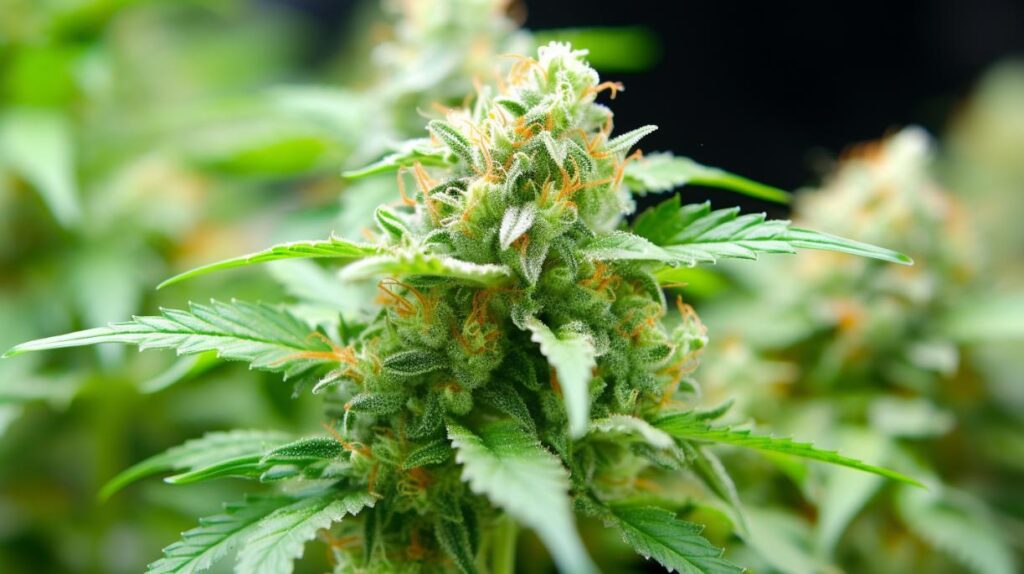
The Candy Jack strain, a highly-regarded hybrid of Jack Herer and Cotton Candy, offers a intricate profile that captivates both new and experienced cannabis users. Renowned for its potent THC content, which can soar up to 27%, it delivers an uplifting yet calming experience suitable for daytime use. The unique terpene composition not only provides a delightful combination of sweet, fruity flavors with hints of citrus and earth but also contributes to its varied therapeutic potential. This strain’s ability to alleviate symptoms linked to anxiety, depression, and chronic pain raises important questions about its broader applications in medical cannabis research. What might further studies reveal about Candy Jack’s complete potential?
Key Takeaways
- Candy Jack is a sativa-dominant hybrid originating from Jack Herer and Cotton Candy.
- It boasts a high THC content up to 27% with less than 1% CBD.
- Known for its sweet, fruity flavor and citrus aroma, complemented by pine and earth undertones.
- Promotes energy, creativity, and focus, making it ideal for daytime use.
- Effective in managing anxiety, depression, migraines, and chronic pain.
Genetic Lineage
The Candy Jack strain is a sativa-dominant hybrid, ingeniously bred from the genetic combination of Jack Herer and Cotton Candy, balancing a 50% Sativa and 50% Indica lineage. This meticulous genetic blend harnesses the invigorating cerebral high of Jack Herer with the soothing, sweet undertones of Cotton Candy, culminating in a unique profile that appeals to a broad spectrum of cannabis enthusiasts.
Jack Herer, named after the famous cannabis activist, is renowned for its potential to provide an uplifting and almost euphoric experience, often used therapeutically to combat fatigue and mood disorders. Its influence is clearly evident in Candy Jack’s ability to elevate mood and energy levels, making it an excellent choice for daytime use. Conversely, Cotton Candy, derived from Lavender and Power Plant strains, contributes a calming, yet euphoric essence to the hybrid, softening the intense cerebral impact of Jack Herer with its Indica traits.
This strategic hybridization not only enhances the therapeutic qualities of Candy Jack but also creates a complex flavor profile that combines earthy, pine notes from Jack Herer with the sweet, floral hints of Cotton Candy, offering a multi-layered cannabis experience.
THC/CBD Content
Candy Jack’s THC content, which can soar up to 27%, positions it as a highly potent option for users seeking significant psychoactive effects. Such a high THC content makes Candy Jack a particularly effective choice for those looking to manage conditions such as anxiety, depression, migraines, and chronic pain. Alongside its impressive THC levels, Candy Jack maintains a relatively low CBD level, typically under 1%. This minimal CBD content suggests that the strain is geared more towards providing a strong psychoactive experience rather than a balanced THC/CBD medicinal effect.
Key points regarding the cannabinoid content of Candy Jack include:
- THC Content: Up to 27%, contributing to its strong psychoactive and therapeutic effects.
- CBD Content: Less than 1%, indicating a focus on psychoactive outcomes rather than CBD-driven therapeutic benefits.
- CBN Content: Approximately 1%, adding to the complexity of its cannabinoid profile.
- Hybrid Genetics: 50% Sativa and 50% Indica, allowing for a balanced yet potent user experience.
Analyzing these components, it’s clear that Candy Jack is tailored for users who prioritize high THC content over CBD-driven effects, making it suitable for both recreational enjoyment and targeted symptom relief.
Terpene Profile
Exploring the terpene profile of Candy Jack, it is evident that the presence of myrcene, pinene, and limonene greatly influences both its aromatic and therapeutic qualities. These terpenes contribute to what can be described as a complex terpene profile, enhancing the strain’s distinctiveness. Originating from the sativa-dominant Jack Herer, Candy Jack inherits a robust and intricate terpene array that underscores its unique appeal.
The complex terpene profile not only defines Candy Jack’s scent and taste but also plays a pivotal role in its potential therapeutic applications. Myrcene, known for its sedative effects, may provide calming benefits, while pinene is linked to cognitive enhancements such as increased alertness and memory retention. Limonene adds a pleasant citrus aroma and is associated with mood elevation and stress relief.
| Terpene | Effect |
|---|---|
| Myrcene | Calming |
| Pinene | Alertness |
| Limonene | Mood Elevation |
| Pinene | Memory Retention |
| Limonene | Stress Relief |
This detailed understanding of each terpene’s impact helps explain why Candy Jack is favored for its multifaceted effects and highlights the importance of terpenes in shaping user experience.
Effects
Exploring the effects of Candy Jack, users often experience a notable increase in energy and upliftment, ideal for stimulating creativity and sharpening focus. This sativa-dominant hybrid, with its potent THC content, delivers a swift change in mood and mental state, favoring those seeking a surge in productivity and creative ventures.
The specific effects of Candy Jack can be summarized as follows:
-
Energizing Boost: Candy Jack is renowned for its ability to elevate energy levels, making it suitable for daytime use when a burst of energy is required.
-
Enhanced Creativity: Many users report that this strain stimulates creative thinking, breaking down mental barriers and allowing for the free flow of ideas.
-
Focus Sharpening: Alongside its energizing qualities, Candy Jack aids in focusing the mind, making it easier to tackle complex tasks or long periods of necessary concentration.
-
Euphoric Experience: Users often feel a sense of euphoria, which contributes to its popularity for recreational use, enhancing the overall enjoyment of activities.
These combined effects make Candy Jack a top choice for those looking to harness an energizing, creative, and focused mindset, all while enjoying the strain’s sweet citrus flavor with earthy undertones.
Medical Uses
The Candy Jack strain has attracted attention for its significant therapeutic potential, particularly in addressing conditions such as anxiety, depression, migraines, and chronic pain. With a high THC content that can peak at 27%, Candy Jack delivers potent effects that are both energizing and uplifting, making it a preferred choice among medical cannabis users. This strain not only helps in alleviating psychological conditions like anxiety and depression but also plays an essential role in pain management, especially for those suffering from chronic pain.
The genetic lineage of Candy Jack, stemming from Jack Herer and Cotton Candy, contributes to its notable medical efficacy. These parent strains are renowned for their strong cerebral and soothing physical effects, which Candy Jack inherits, enhancing its medical utility. Users frequently report substantial relief from migraines and headaches, highlighting Candy Jack’s capability to target and alleviate severe and persistent pain symptoms effectively.
Moreover, the strain’s ability to enhance mood and stimulate appetite further underscores its medicinal value, offering a holistic approach to patient care. By mitigating the distressing symptoms of various ailments, Candy Jack supports a better quality of life for those reliant on medical cannabis for therapy.
Flavor and Aroma
How does the Candy Jack strain differentiate itself with regards to flavor and aroma from other cannabis varieties? Candy Jack’s distinct sensory profile primarily revolves around its flavor and aroma, which are both notably fruity and sweet, making it a standout choice among cannabis connoisseurs. This strain delights the senses with a combination that is not only enjoyable but also memorable, distinguishing it from others with more traditional or herbal profiles.
Here are key aspects of Candy Jack’s flavor and aroma:
- Sweet and Fruity Flavor: The flavor is sweet, embodying a robust fruity taste that is both invigorating and palate-pleasing.
- Citrus Aroma: Complementing its sweet flavor, the strain exudes a citrus aroma that enhances its fruitiness and adds a layer of complexity to its bouquet.
- Undertones of Pine and Earth: Beneath the dominant fruity and citrus notes, there are subtle hints of pine and earth, adding depth and a grounding element to the overall sensory experience.
- Pleasant Aftertaste: Unlike some strains that might leave a harsh or lingering aftertaste, Candy Jack is known for its pleasant aftertaste, making the flavor experience more enjoyable and inviting for repeated use.
This flavorful and aromatic profile appeals particularly to those who appreciate a sweet, citrus-infused cannabis experience.
Appearance
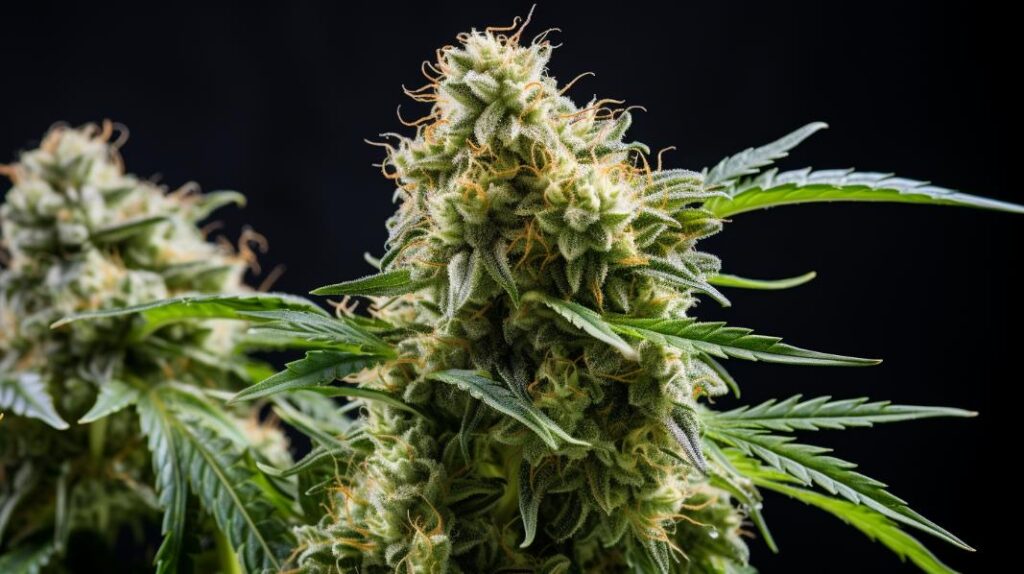
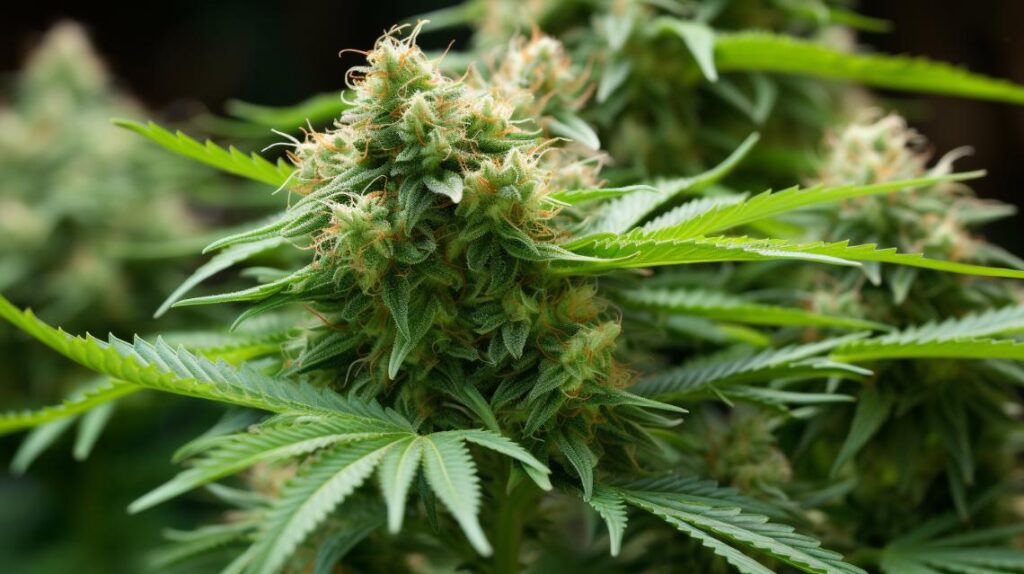
Candy Jack’s appearance is distinguished by its medium to large, densely packed buds that feature a light green hue accented with vibrant orange hairs. This coloration not only emphasizes the strain’s visual appeal but also hints at its robust genetic lineage. The buds are further adorned with a copious amount of trichomes, lending them a frosty appearance that is highly valued among cannabis connoisseurs. This trichome coverage is not merely aesthetic; it also signifies the presence of potent cannabinoids and a rich terpene profile, which are critical to the strain’s effects and flavor.
The overall aesthetic of Candy Jack is both striking and inviting, characterized by its bright light green essence intertwined with the stark contrast of the orange hairs. This particular visual quality makes Candy Jack easily recognizable and often serves as a hallmark of its premium quality. For those who appreciate both the art and science of cannabis, the appearance of Candy Jack offers a hint at its careful cultivation and the meticulous attention to detail during its growth. This strain stands out in a market saturated with various cannabis varieties, making it a preferred choice for both seasoned and novice users looking for reliability in both appearance and effect.
Grow Information
Understanding the cultivation requirements of Candy Jack can further enhance appreciation for its distinctive appearance and quality. Originating from a prestigious lineage of Skunk #1 and Jack Herer, Candy Jack carries forward the robust genetics necessary for a resilient growth profile, suitable for both beginners and seasoned cultivators. This strain’s ability to counter various growing challenges is notable, often resulting in a rewarding cultivation experience.
Key grow information includes:
- Grow Time: Candy Jack matures in 8-9 weeks, a relatively short period that allows for quicker harvesting cycles.
- Plant Characteristics: The buds are typically light, springy, and well-shaped, reflecting the quality genetics from its Cup-winning ancestors.
- Ease of Cultivation: Known for its simplicity in growing, Candy Jack is adaptable to different growing conditions, making it an excellent choice for diverse growing environments.
- Sativa-Dominant Traits: As a sativa-dominant hybrid, it exhibits energizing and creative effects, which are mirrored in its vigorous growth pattern and substantial yield potential.
The cultivation of Candy Jack not only promises a bountiful harvest but also a chance to engage with a strain that has mastered the balance of quality and resilience.
Adverse Effects
While generally well-tolerated, Candy Jack can lead to several adverse effects, particularly when consumed in large doses. One of the more common complaints among users is the experience of dry eyes, a typical side effect associated with many cannabis strains but notably pronounced with this variety. This condition can be uncomfortable and is often alleviated with the use of over-the-counter eye drops or increased hydration.
Paranoia is another significant adverse effect reported by some users of Candy Jack. This feeling of heightened anxiety and mistrust can be distressing and may deter new or sensitive users from opting for this strain. It underscores the necessity of starting with low doses, especially for those who are inexperienced or have a predisposition to anxiety disorders.
Other less common but remarkable side effects include headaches and dizziness, which can contribute to an unpleasant experience if not anticipated and managed appropriately. These symptoms often emphasize the importance of dose control and the setting in which Candy Jack is consumed. Ensuring a comfortable and safe environment can mitigate some of these negative reactions, enhancing the overall experience and effectiveness of the strain in delivering its desired effects.
Comparisons with Similar Strains
Moving beyond the adverse effects, it is beneficial to examine how Candy Jack compares with other sativa-dominant strains regarding potency, flavor, and therapeutic benefits. Candy Jack, a crossbreed of Jack Herer and Cotton Candy, boasts a unique profile that sets it apart on the competitive West Coast cannabis market.
-
Potency: With THC levels that can reach up to 27%, Candy Jack stands out as one of the more potent strains available. In comparison, many other sativa-dominant strains typically hover around the 15-25% THC range.
-
Flavor: The distinct sweet citrus and pine aroma of Candy Jack is significantly more pronounced than in similar strains like Super Lemon Haze or Green Crack, which tend to have sharper, sometimes more acidic citrus notes.
-
Therapeutic Benefits: Candy Jack’s ability to alleviate symptoms of anxiety, depression, migraines, and chronic pain is comparable to other top-performing sativas like Sour Diesel and Blue Dream, but it often provides quicker onset of relief due to its higher THC content.
-
Aesthetic Appeal: The visually striking buds of Candy Jack, characterized by their dense structure and vibrant orange hairs, are often more appealing than those of many other Cannabis Cup winners, making it a favorite for both connoisseurs and casual users on the West Coast.
Research and Studies
Recent studies on Candy Jack‘s therapeutic efficacy have highlighted its significant role in pain and stress management. This is due to its high THC content and unique terpene profile. Research demonstrates that the strain’s THC levels, which can soar up to 27%, contribute substantially to its strong cerebral high and effectiveness in alleviating symptoms such as chronic pain and anxiety. This potency not only provides rapid relief but also enhances mood, making it an ideal choice for patients seeking both physical and psychological benefits.
Moreover, the presence of a rich blend of terpenes in Candy Jack, including hints of pine and earth with a sweet, fruity aroma, complements its therapeutic effects by engaging the entourage effect—where various cannabis compounds work synergistically to enhance the overall medicinal impact. This aspect is particularly appreciated among users who prefer a holistic approach to symptom management.
Candy Jack’s acclaim extends to its recognition in competitive circles, particularly its performance in the Cannabis Cup, where its appealing flavor profile and robust effects have attracted attention. This acknowledgment underscores its status not only as a favorite among recreational users but also highlights its potential in clinical applications, prompting further study into its diverse benefits.
History and Origin
Building on its therapeutic accolades, Candy Jack also boasts an intriguing heritage, originating as a crossbreed between Jack Herer and Cotton Candy. This lineage combines the robust, cerebral stimulation of Jack Herer with the calming, sweet overtones of Cotton Candy, resulting in a strain that not only addresses various medical symptoms but also provides a delightful user experience.
Analyzing its historical context, Candy Jack has not only emerged as a popular choice among users but also as a standout in competitive arenas. Here are some key milestones:
- Genetic Foundation: The crossbreeding of Jack Herer, known for its potent cerebral effects, with Cotton Candy, admired for its sweet flavor and relaxing properties, created a hybrid that balances stimulation and serenity.
- Therapeutic Recognition: With a THC level reaching up to 27%, Candy Jack has become a preferred option for managing conditions such as anxiety and chronic pain, highlighting its significant medical potential.
- Cup Accolades: Candy Jack’s excellence was officially recognized when it became a cup winner, underscoring its superior quality and broad appeal.
- Privacy Considerations: The strain’s potency and distinct aroma make it a subject of interest in discussions about consumption privacy and etiquette among users.
Through these aspects, Candy Jack’s origin and evolution underscore its status as a distinguished and valuable strain in the cannabis community.
Frequently Asked Questions
What Strain Is Candy Jack?
Candy Jack is a sativa-dominant hybrid, combining Jack Herer and Cotton Candy genetics. It is known for its uplifting effects, aiding in anxiety and depression relief with a sweet, earthy aroma and citrus flavor.
Is Jack Strain a Sativa or Indica?
Jack Herer, a strain with a sativa-dominant profile, owes its characteristics to expert cultivation techniques and its unique lineage. It typically exhibits energizing and cerebral effects, aligning with sativa-like qualities.
Is Candy a Sativa or Indica?
Candy, in the context of cannabis strains, typically refers to those with sweet profiles influenced by their genetic origins. It can be either sativa or indica, depending on its specific breeding lineage.
What Is the Hardest Hitting Indica Strain?
The hardest hitting Indica strain is often subjective but typically features high THC levels and potent effects. Strains like OG Kush and Granddaddy Purple exemplify Indica effects with strong sedation and pain-relieving properties.



Responses